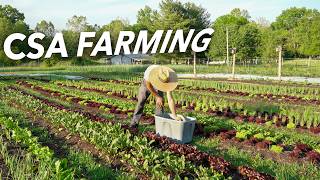
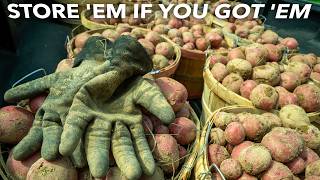
What Frost Does to Potatoes + How We Did Our Hedge Rows
Audio Brief
Show transcript
This episode covers practical ecological solutions for small-scale farmers, focusing on recovering from potato frost damage, planning resilient hedgerows, and managing strawberry diseases in humid climates.
There are three key takeaways from this discussion. First, protecting early potato crops from late frost is critical to prevent yield loss and vulnerability to pests. Second, farm hedgerows should be designed incrementally using annuals first to understand land hydrology before planting permanent perennials. Third, managing strawberry diseases in humid regions requires a combination of bio-fumigating cover crops and physical moisture barriers.
While potato plants can recover from frost damage using energy stored in their seed tubers, this process severely depletes their reserves. This energy drain delays plant growth, postpones harvest times, and leaves the weakened crop highly susceptible to pests like potato beetles. Growers should proactively use row covers during late cold snaps to preserve plant vigor.
When implementing hedgerows, a gradual and observant approach is far more effective than immediate permanent installation. Starting with annual flowers and cover crops allows growers to analyze soil drainage and layout changes before committing to expensive perennials. This flexibility prevents the costly and labor-intensive mistake of relocating established plants later.
To combat fungal diseases in humid climates, growers must integrate systemic soil health with physical protection. Utilizing a summer cover crop rotation of field peas and mustard naturally suppresses soil-borne pathogens before planting. Additionally, installing simple mini-tunnels over strawberry beds keeps excess moisture off the foliage, which is the most critical factor in preventing rot.
By prioritizing soil biology, physical protection, and observational design, ecological growers can significantly boost crop resilience and overall farm productivity.
Episode Overview
- This episode of Growers Daily addresses common issues faced by small-scale ecological farmers, including managing frost damage on potatoes, designing and implementing hedgerows, and mitigating disease in humid strawberry cultivation.
- Host Jesse Frost uses a "group therapy" format to answer Patreon questions, offering practical advice based on his own experiences on his no-till farm.
- The episode provides valuable insights for both market gardeners and backyard growers looking to build soil health, manage pests, and improve crop resilience through ecological methods.
Key Concepts
- Potato Resilience After Frost: While potato plants can recover from frost damage due to energy stored in the seed tuber, the recovery process consumes significant energy. This delay in growth can reduce overall yields, postpone harvest times, and leave the weakened plants more susceptible to pests like potato beetles.
- Incremental Hedgerow Design: Implementing hedgerows on a farm should be a gradual, observant process rather than an immediate, permanent installation. Starting with annuals allows the grower to understand the land's hydrology and soil variations before committing to perennial species, preventing the need to relocate established plants later.
- Eco-Systemic Pest and Disease Management: In humid climates, managing plant diseases (especially in sensitive crops like strawberries) requires a multi-faceted approach. This includes selecting disease-resistant varieties adapted to the region, utilizing cover crops like mustard for bio-fumigation, and using physical barriers like mini-tunnels to keep moisture off the foliage.
Quotes
- At 2:47 - "A huge percentage of their energy... has been wasted in the new growth dying back from the frost." - Explaining why frost damage on young potato shoots, even if not fatal, significantly impacts final yield and plant vigor.
- At 6:27 - "We try not to go too crazy with the hedgerows when we first started the gardens... because we have moved plots around, re-situated some areas, etc." - Highlighting the importance of flexibility and observation in farm design before planting permanent perennial features.
- At 14:05 - "One of the biggest issues is just going to be moisture on the leaves and on the fruit, and having a little mini tunnel over that bed... could keep them protected." - Clarifying how physical moisture management is often the most critical factor in preventing fungal diseases in humid climates.
Takeaways
- Protect early potato crops with row covers during late cold snaps to prevent yield loss and pest susceptibility, even if the plants are expected to survive the frost.
- Focus on establishing annual flowers and cover crops in designated hedge areas first, taking time to observe soil drainage and farm layout before planting expensive, permanent perennials.
- When growing strawberries in humid regions, implement a summer cover crop rotation of field peas and mustard to improve soil biology and naturally suppress soil-borne pathogens before planting fall plugs.