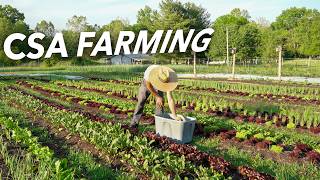
How to Start a Farm (but Actually) + Using Sawdust
Audio Brief
Show transcript
This episode of Growers Daily covers essential strategies for agricultural management, focusing on pragmatic farm planning, tomato disease prevention, and the proper use of sawdust in soil management.
There are three key takeaways from this discussion. First, aspiring farmers must prioritize business and financial planning over romanticism before purchasing land. Second, preventing tomato disease requires watering plants from the base rather than overhead. Third, sawdust should be used as a compost cover rather than mixed directly into garden beds to avoid depleting soil nitrogen.
Successful farm management relies on treating agriculture as a business first. Aspiring growers should secure hands-on experience and build a diverse sales model to withstand market fluctuations. Developing a realistic financial plan prior to acquiring land is critical for long-term operational sustainability.
Crop protection requires careful attention to daily watering techniques. Overhead watering leaves tomato foliage damp, which creates an ideal breeding ground for destructive foliar diseases. Utilizing base watering systems or shade cloths preserves plant health and secures crop yields.
When managing soil health, the physical size of organic material dictates its biological impact. Because sawdust has a massive surface area, microbial decomposition will rapidly deplete available soil nitrogen if it is mixed directly into garden beds. Instead, sawdust is best utilized as a carbon-rich cover for wet, nitrogen-heavy compost materials like manure or food scraps.
By balancing rigid business planning with precise biological management, small-scale growers can build highly resilient and productive agricultural enterprises.
Episode Overview
- Episode focus: This episode of Growers Daily covers diverse agricultural topics, including the challenges of starting a farm, managing compost, and the nuances of using sawdust in gardening.
- Audience relevance: It’s ideal for market gardeners, small-scale farmers, and agriculture enthusiasts seeking practical tips and realistic perspectives on farm management.
- Narrative arc: The host transitions from discussing weekly feedback on crops like melons and tomatoes to sharing a pragmatic seven-step guide for aspiring farmers.
Key Concepts
- Pragmatic farm planning: Starting a farm is more about business than romanticism. Aspiring farmers should focus on financial planning and gaining experience before purchasing land.
- Tomato disease prevention: Overhead watering of tomatoes can lead to foliage diseases. It is safer to water them from the base or use shade cloths for cooling.
- Managing sawdust in gardens: While sawdust is a great carbon source, its high surface area can deplete soil nitrogen during decomposition. It is best used as a compost cover rather than mixed directly into garden beds.
Quotes
- At 1:31 - "All the tactical details matter, but at the end of the day, they have a bunch of players who are either happy or unhappy, and they have to keep everyone focused and having fun." - highlighting the parallels between sports coaching and managing farm employees.
- At 4:09 - "Wet tomato leaves are a prime target for several foliar diseases, so you do want to water crops like that from the bottom if possible." - explaining the risks of overhead watering for tomato plants.
- At 10:27 - "The smaller the size of something, the more surface area, which means the more microbes it can attract, and the more nitrogen they will use to decompose the material." - explaining why sawdust can tie up soil nitrogen.
Takeaways
- Prioritize business and financial planning before buying farmland to ensure long-term sustainability.
- Use sawdust as a covering for wet, nitrogen-rich compost materials (like manure or kitchen scraps) rather than applying it directly to garden beds.
- Incorporate diverse sales outlets into your farm business plan to build resilience against market fluctuations and restaurant closures.