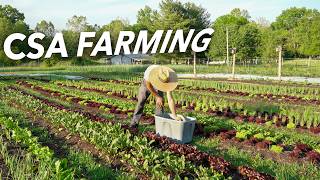
No Sweat Sweet Corn + Moving a Tunnel
Audio Brief
Show transcript
This episode covers the specific challenges of growing sweet corn in a market garden context alongside the strategic logistics of managing high tunnel infrastructure.
There are three key takeaways to consider for small scale farming success. First, the economics of space intensive crops demand strategic planning to offset low profitability. Second, biological factors make direct seeding the optimal choice for corn root development. Third, high tunnel management relies entirely on maximizing ventilation and maintaining strict organization during structural moves.
Diving into the economics, sweet corn rarely covers the rent of the bed space it occupies due to its long season and low market price per ear. At optimal yields of two ears per square foot, corn must be subsidized by growing higher profit crops alongside it. When sourcing these seeds, growers often worry about accidentally purchasing GMO corn, but this is virtually impossible without signing specific licensing agreements. Organic practitioners should instead focus solely on avoiding seeds treated with synthetic fungicides.
Understanding the biology of the corn plant dictates the best starting methods. Direct seeding into the soil is preferred because corn develops a deep taproot rapidly and does not tolerate root disturbance. If starting in trays is necessary, growers must use deep air pruning trays and transplant before the crop exceeds five inches in height to prevent stunting. Furthermore, immediate application of a row cover over direct sown seeds is critical to protect vulnerable sprouts from pests, keeping it in place until the plants are fully established.
Regarding farm infrastructure, the construction and modification of high tunnels must prioritize temperature control and disease prevention. End walls should be designed for maximum airflow rather than simple enclosure, integrating robust wind bracing, tall shoulder boards, and large sliding doors or exhaust fans. When moving these massive structures, farmers must remain meticulously organized, tracking every single bow and component during teardown to avoid severe logistical headaches during reassembly.
By carefully managing bed space economics and optimizing greenhouse infrastructure, professional growers can successfully incorporate challenging crops like sweet corn into their operations.
Episode Overview
- This episode breaks down the specifics of growing sweet corn in a market garden context, a crop often overlooked by professional small-scale growers due to profitability challenges.
- Farmer Jesse covers the entire process, from seed selection (addressing GMO concerns) and priming techniques to starting methods (direct seeding vs. trays) and pest management.
- The podcast also features a Q&A segment focusing on the logistics and strategic considerations of setting up and moving a high tunnel for the first time.
- It provides a realistic look at the economics of growing space-intensive crops and offers practical advice for managing greenhouse infrastructure.
Key Concepts
- Demystifying Seed Selection: Growers often worry about accidentally purchasing GMO corn seeds, but this is highly unlikely as GMO seeds require specific licensing agreements. For organic practices, the primary concern is avoiding seeds treated with fungicides or chemical fertilizers; hybrids are acceptable and often provide necessary vigor.
- The Biology of Starting Corn: While priming (soaking) seeds can accelerate germination, direct seeding is generally preferred because corn develops a deep taproot rapidly. If starting in trays, it requires careful timing to transplant before the taproot is restricted or damaged, which can stunt the plant's growth.
- The Economics of Space: Sweet corn is traditionally a low-profit crop for small-scale market gardeners. Because it requires significant space, has a long growing season, and commands a low market price per ear, it rarely covers the "rent" of the bed space it occupies. It must be subsidized by growing higher-profit crops alongside it.
- High Tunnel Ventilation Dynamics: When constructing or modifying a high tunnel, managing heat is a primary challenge. Designing end walls is not just about enclosure, but about maximizing airflow; utilizing tall shoulder boards, large doors, and automatic vents is critical for disease prevention and temperature control.
Quotes
- At 3:43 - "The chances of you accidentally buying genetically engineered corn seed or any other seed is basically zero. The reason is that you generally have to sign some sort of agreement to purchase those seeds." - This dispels a common myth about seed sourcing, reassuring growers about the safety of standard seed purchases.
- At 6:10 - "My preference with corn is to directly sow it into the soil if I have that option. The reason is that it's a little finicky when it comes to starting it in trays; the taproot likes to get down fast and far and doesn't love to be messed with." - Explaining the biological reason behind the preferred planting method for corn, helping growers avoid stunted crops.
- At 7:38 - "At two ears per square foot in a good year, you're looking at 400 plants on 200 square feet... that only covers a little over half of what we call the rent on a bed for the season." - This breaks down the stark reality of crop profitability, teaching growers how to evaluate crop viability based on space and yield.
- At 11:47 - "Moving a tunnel can be a challenge, so make sure you are staying super organized as you take it down and move it, keeping track of which bow went where." - Providing a crucial logistical tip that prevents major headaches when dealing with large farm infrastructure.
Takeaways
- When starting corn in trays rather than direct seeding, use deep, air-pruning trays (like Winstrip trays) and ensure you transplant them into the field before the plants exceed 3 to 5 inches in height to prevent root binding.
- Always apply row cover immediately after direct seeding corn to protect the vulnerable seeds and sprouts from birds and rodents; remove the cover only after the plants are established and several inches tall.
- When building or modifying a high tunnel, prioritize robust wind bracing on the end walls and integrate large ventilation options, such as sliding polycarbonate doors or exhaust fans, before finalizing the structure.