Farming With a Baby (Tools and Tips) + Will This Weed Follow Me to My Next Farm?
Audio Brief
Show transcript
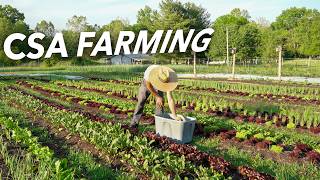
This episode covers practical challenges and viewer feedback from a week on a no-till farm, addressing soil improvement, weed management, and the realities of farming with children.
There are three key takeaways from this discussion. First, rigorous equipment cleaning is essential to prevent weed transfer during farm relocations. Second, broadforking compacted clay soil requires patience but gradually improves soil structure over time. Third, investing in childcare is often more efficient than hiring farm labor when balancing family and agriculture.
When moving farm operations to a new site, the risk of transferring aggressive weeds like horsetail is exceptionally high. Farmers must be highly vigilant about how these weeds spread through rhizomes and spores. Thoroughly washing and inspecting all equipment, tarps, and row covers before relocation is a critical step to protect the new soil environment.
Broadforking is a physically demanding yet vital tool for alleviating compaction and incorporating amendments, especially in dense clay. When starting out, farmers should not worry if they cannot insert the tines fully into the ground. By working the soil as deeply as possible, usually around six to eight inches, the soil structure will naturally loosen and the process will become significantly easier over successive seasons.
Farming alongside infants and toddlers introduces unique workflow challenges that ergonomic carriers and play areas cannot fully solve. Rather than immediately hiring additional farm labor to handle the workload, the most effective strategy is often hiring a part-time babysitter. Securing dedicated childcare, even for just a few hours a week, frees up the primary farmer to achieve uninterrupted, focused work time.
Ultimately, successful no-till farming requires adapting to the specific physical, environmental, and personal constraints of your growing operation.
Episode Overview
- The host, Farmer Jesse, reflects on the past week on his no-till farm, touching on harvesting, broadforking, and soil improvement.
- The episode primarily focuses on feedback from viewers on topics covered earlier in the week, including growing peanuts, the biodiversity of tree canopies, broadforking techniques, cover cropping in cold climates, and farming with children.
- It addresses practical challenges like managing weed seeds (like horsetail) during farm relocation and the logistics of balancing farm work with childcare.
Key Concepts
- Managing Weed Transfer: When moving to a new farm, the risk of transferring aggressive weeds like horsetail is high. It's crucial to be aware of how these weeds spread (rhizomes and spores) and to clean equipment and materials like tarps and row covers before moving them to the new site.
- The Value of Broadforking: Broadforking is a physically demanding task, particularly in compacted clay soils, but it's an important tool for alleviating compaction and incorporating amendments. The process becomes easier over time as soil structure improves, so persistence is key.
- Balancing Farming and Childcare: Farming with young children, especially infants and toddlers, is inherently challenging and often requires a dynamic approach. While ergonomic carriers and safe play areas are helpful, having dedicated help, like a babysitter, even for a few hours, is often the most effective solution for getting work done.
- Cover Cropping in Short Seasons: In extreme climates like Zone 2a in Alaska, traditional cover cropping is difficult due to the short growing season. Alternative strategies, such as using fast-growing mustards before a hard freeze or incorporating organic amendments like alfalfa meal, can help manage soil fertility and organic matter.
Quotes
- At 2:40 - "Peanuts would make a good ground cover or cover crop if they weren't so darn slow to grow." - Highlighting the practical limitations of using peanuts as a cover crop despite their benefits as a legume.
- At 5:12 - "To your question, yes, it will slowly get easier if you stick with it. And it's fine to just start with as much as you can get down, you know, 6, 8 inches if you can." - Encouraging persistence with broadforking, noting that soil improvement is a gradual process.
- At 19:47 - "Don't hire help on the farm immediately. Hire a part-time babysitter to free you up." - Offering a practical and often overlooked solution for farmers struggling to balance work and childcare.
Takeaways
- If you are moving farm operations, thoroughly clean all equipment, tarps, and landscape fabrics to prevent the spread of aggressive weeds like horsetail via rhizomes or spores.
- When starting with a broadfork in compacted soil, don't worry if you can't insert the tines fully; work as deeply as possible and trust that the soil will loosen over successive seasons.
- If you are farming with young children, consider investing in childcare rather than just farm labor, as it can be a more efficient way to secure uninterrupted work time.