Lessons in Living Pathways
Audio Brief
Show transcript
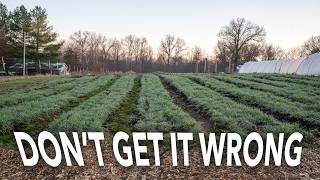
This episode covers the practical application, long-term management, and ecological benefits of living pathways, focusing on growing intentional cover crops in garden walking paths.
There are three key takeaways from this analysis of pathway management. First, keeping living pathways mowed low is critical to prevent weed seed migration into active crop beds. Second, white clover is the most resilient and reliable plant choice for withstanding heavy foot traffic. Third, topography and local climate must dictate pathway design, as living pathways are ideal for preventing erosion on slopes.
Managing weed encroachment is the primary challenge when maintaining living pathways. While allowing cover crops to grow tall maximizes underground root development, it also permits opportunistic weeds to set seed. Frequent mowing and diligent edging are required to keep species like chickweed and invasive grasses from invading cash crop beds.
For species selection, Dutch white clover consistently outperforms grasses and other cover crops. It thrives under regular foot traffic, actively fixes nitrogen, and suppresses competing weed species. This resilience makes it the most reliable base for establishing multi-season pathways.
Site topography should ultimately determine pathway strategy. On sloped land in wet climates, living pathways act as a vital physical anchor to prevent soil erosion during heavy rains. Conversely, growers on flat land in dry regions may find traditional wood chips or straw more effective for conserving soil moisture.
Beyond soil health, living pathways offer significant socio-ecological advantages. They create a comfortable, cushioned working surface for farmers while providing vital habitat for beneficial predatory insects. This dual benefit improves both farm ergonomics and natural pest management.
Ultimately, integrating living pathways requires active management but provides substantial dividends in soil stability, weed suppression, and overall farm biodiversity.
Episode Overview
- Focus on Living Pathways: This episode dives deep into the concept of "living pathways"—the practice of growing intentional cover crops (like clover and grasses) in the walking paths between garden beds instead of using wood chips, straw, or leaving them bare.
- Eight Seasons of Lessons: Host Jesse Frost (Farmer Jesse) reflects on his eight seasons of experience with living pathways, sharing his successes, honest regrets, and management challenges.
- The Case for Covered Soil: The episode frames living pathways as a practical way to keep living roots in the soil year-round, which builds soil biology, prevents erosion, and improves farm ecology without competing directly with cash crops.
- Pragmatic Advice for Growers: This content is highly relevant for market gardeners and small-scale farmers looking to improve soil health, manage weeds, and navigate the practical trade-offs of different pathway management systems.
Key Concepts
- Soil Health and Living Roots: Keeping living plants in the soil at all times is crucial for soil biology. Plants sequester carbon, feed soil microbes, and maintain soil structure. Living pathways allow growers to reap these benefits right next to their crop beds without the plants directly interfering with cash crop growth.
- The Challenge of Weed Management: While living pathways are beneficial, they are not "set-it-and-forget-it." Over time, weeds like chickweed, purple deadnettle, and invasive grasses will inevitably infiltrate the pathways. Consistent management—specifically mowing and edging—is required to keep the pathway species from encroaching on the crop beds.
- The Slope Factor: On sloped land, traditional pathway mulches like wood chips or loose compost easily wash away during heavy rains. Living pathways act as a physical anchor, stabilizing the soil and preventing erosion down the hillside.
- Socio-Ecological Benefits: Beyond soil chemistry, living pathways dramatically improve the working environment. They create a soft, park-like surface that is comfortable for farmers and children to walk and kneel on, contrasting sharply with harsh wood chips. They also provide vital habitat for beneficial insects and spiders.
Quotes
- At 1:48 - "One of the best things for the soil is to have living plants growing in it... Plants sequester carbon, gather microbes and nutrients, hold the soil in place, manage moisture, cool the soil, and so on." - Explaining the fundamental ecological science that justifies using living pathways over inert mulches.
- At 3:36 - "Shorter is better. For a while, I let the paths grow tall to maximize the underground soil growth and aboveground benefits, but I learned quickly that that was also maximizing the weed potential." - Sharing a critical lesson on finding the balance between maximizing ecological biomass and controlling weed seed production.
- At 13:08 - "In my experience, out of the many random things I have tried, clover is just the one that survives. And so, for that reason, it's the one that I now generally suggest." - Offering a practical, trial-tested recommendation for white clover as the most resilient and reliable plant for living pathways.
Takeaways
- Keep Pathways Low to Control Weeds: Mow living pathways frequently and keep them relatively short. Allowing pathway crops to grow too tall invites opportunistic weeds to set seed, which will quickly migrate into your active crop beds.
- Use White Clover as Your Base: When establishing living pathways, opt for Dutch white clover. It is highly resilient to foot traffic, outcompetes many weeds, and consistently survives across multiple seasons better than grasses or other cover crops.
- Consider Your Topography and Climate: If you farm on flat land in a dry climate, choose wood chips or straw instead of living pathways to conserve moisture. If you farm on a slope in a wet climate, use living pathways to prevent your pathway material from washing away.