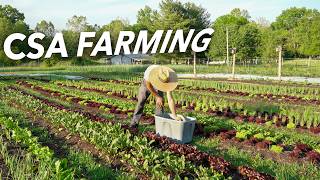
Why Starting a Farm Does Not Start With Land
Audio Brief
Show transcript
This episode of Growers Daily covers the essential operational, ecological, and financial strategies required to run a successful small-scale farming business.
There are three key takeaways from this discussion. First, financial planning and family budgeting must always precede any land purchase. Second, integrating native perennials is crucial for sustaining local insect populations. Third, chia shows significant potential as a fast-growing, low-risk cover crop.
Aspiring farmers often make the mistake of searching for land before establishing a business model. Utilizing financial tools and analyzing family budgets first defines the exact revenue a farm must generate to support a household. This disciplined approach ensures that real estate decisions are guided by financial reality rather than speculation.
On the ecological front, incorporating native plants into farm borders supports specialized local insects that non-native species cannot host. This practice is vital for combating insect decline and building a resilient agricultural ecosystem. Improving biodiversity directly enhances natural pest control and soil health.
Finally, field trials reveal that chia is an excellent hot-weather cover crop due to its rapid germination and heat tolerance. It provides rapid ground cover for weed suppression without the risk of becoming invasive, as it rarely flowers in northern climates. This makes it a highly manageable tool for late-season soil protection.
In conclusion, prioritizing business fundamentals, ecological integration, and innovative crop trials is key to building a resilient and profitable farm.
Episode Overview
- This episode of "Growers Daily" covers a variety of agricultural and farming business topics, including establishing native meadows, storing and curing sweet potatoes, managing CSA deliveries, and the impact of rising diesel costs on small farms.
- The main segment features a detailed Q&A on the financials of starting a farm, emphasizing that business planning and understanding personal budgets must precede any land purchase.
- Additionally, the host shares field trial updates on using chia as a cover crop, demonstrating its growth habits, weed suppression, and potential as a late winter-kill cover crop.
Key Concepts
- Farming is a Business First: Many aspiring farmers make the mistake of looking for land before they have a solid business plan. Farming is no different than any other business, and starting with a clear financial model and personal budget is crucial for long-term viability.
- The Value of Native Perennials: Incorporating native plants into farm borders or meadows supports specialized local insect populations (specialists) that non-native species cannot sustain, which helps combat catastrophic insect decline.
- Chia as a Fast-Growing Cover Crop: Chia germinates in just a few days, provides excellent ground cover, and tolerates intense heat and moisture stress. Because it does not flower easily in certain climates, it presents a low risk of becoming an invasive weed on the farm.
Quotes
- At 1:23 - "This might be an unpopular opinion, but native is overrated, imo... but I prefer improving to preserving." - Highlighting a viewer's perspective on land management and prompting a discussion on the ecological importance of native species for insect life cycles.
- At 10:19 - "Your business plan will be the only thing that can tell you what you can afford—not me, not the real estate market. Your business plan and your family budget are going to guide you." - Emphasizing the absolute necessity of financial planning over real estate trends when starting a farm.
- At 19:10 - "I love that it doesn't flower... I don't need something like this that's super, super prolific to put up a bunch of seeds." - Explaining why chia's lack of flowering in certain conditions makes it a highly manageable and low-risk cover crop.
Takeaways
- Start with the Books, Not the Land: Before purchasing property, read essential agricultural business books like The Organic Farmer's Business Handbook by Richard Wiswall and The Profitable Farmer by Julia Shanks and Dan Brisebois.
- Establish a Personal and Family Budget: Determine your exact living expenses first. This baseline will dictate how much profit your farm business actually needs to generate to support your household.
- Utilize Creative CSA Delivery Schedules: If you have an excess of a specific crop (like squash), divide your CSA members into two groups and alternate deliveries, or split harvests across two different delivery days (e.g., Tuesdays and Fridays) to manage supply and labor.