Is the AI Story Falling Apart? Tom Lee Weighs In
Audio Brief
Show transcript
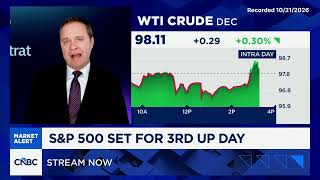
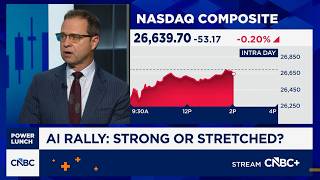
Could a downturn in artificial intelligence drag down the entire economy? CNBC host Brian Sullivan, Tom Lee, and Dan Ives discuss whether recent tech volatility poses a systemic threat.
A significant portion of recent market declines is driven by heavy tech stocks, but software remains resilient. Tom Lee believes the structural growth remains intact because capital is dynamic. You should balance volatile tech with defensive sectors.
A leadership change can theoretically impact a company's market valuation by trillions of dollars. Nvidia chief Jensen Huang is incredibly influential, yet his company holds a massive shield. Dan Ives notes Nvidia is two to three years ahead of the competition. You should value companies by their competitive moats rather than single leaders.
Look beyond short term market drops to see if actual demand has changed. Remember, Nvidia is two to three years ahead of the nearest competition.
Episode Overview
- CNBC host Brian Sullivan, Fundstrat Head of Research Tom Lee, and Yorkville Ives & Co. Senior Managing Director Dan Ives discuss the impact of Nvidia and AI-related stock declines on the broader market.
- They explore whether a downturn in the artificial intelligence sector poses a systemic threat to the overall stock market and economy.
- The experts debate the significance of Nvidia and its CEO, Jensen Huang, in driving the global tech landscape and AI revolution.
- This segment is highly relevant for investors and market watchers seeking to understand current tech stock volatility and the long-term outlook for AI investments.
Key Concepts
- Market Sensitivity to AI: A significant portion of recent market declines is driven by AI-related and high-weight technology stocks, while some software and defensive stocks remain resilient.
- Structural Integrity of AI: Despite short-term market corrections and headline-driven volatility, the underlying demand and structural growth of the AI sector remain intact.
- Leadership Impact on Valuation: Key industry figures like Nvidia's CEO Jensen Huang carry immense influence, where leadership changes can theoretically impact a company's market valuation by trillions of dollars.
- Technological Competitive Moats: Leading tech companies, particularly Nvidia, hold multi-year competitive advantages over international rivals, shielding them from immediate disruption.
Quotes
- At 1:07 - "If there is something that would take the AI trade down... it would be bad for the stock market and the economy. But if someone asks me, are the events of the past two weeks... going to cause AI to hit a wall, my answer would be no." - Tom Lee explaining why the long-term AI structural story remains intact despite short-term market de-risking.
- At 2:05 - "Capital is dynamic... Nvidia is not the independent driver of AI innovation, even if it plays a really important structural role." - Tom Lee clarifying that capital flows will adapt and find new channels even if a central player faces setbacks.
- At 3:08 - "Jensen is the most important person, not just in US tech, but the global tech and you could argue the economy... But Nvidia, they're two to three years ahead of the nearest competition." - Dan Ives highlighting both the massive individual influence of Nvidia's leadership and the company's strong competitive moat.
Takeaways
- Look beyond short-term market sell-offs in major AI names to evaluate whether the underlying demand and structural story of the technology have actually changed.
- Diversify portfolios to balance high-weight, volatile tech stocks with more stable software or defensive sectors during periods of market de-risking.
- Assess a technology company's long-term value based on its multi-year competitive moat and technological lead rather than relying solely on key person dependencies.