How Old Railway Tracks Are Turned Into Pickaxes | Complete Manufacturing Process
Audio Brief
Show transcript
This episode covers the industrial transformation of discarded railway tracks into heavy-duty pickaxes, showcasing the intersection of traditional blacksmithing and resource recycling.
There are three key takeaways from this industrial process. First, high-density scrap steel serves as an ideal raw material for manufacturing highly durable tools. Second, precise high-temperature forging is essential to make the dense metal malleable for mechanical shaping. Third, combining heavy machinery with manual hand-finishing ensures both production efficiency and precise quality control.
The process begins by cutting massive steel rails into smaller, manageable chunks, which provides the high-quality starting material. These pieces are heated in a furnace until they glow orange, making the steel malleable enough for heavy industrial hammers to punch the center eye and shape the tool head.
Once the rough forging is complete, blacksmiths transition to manual refining. Hand tools are used to straighten the body, sharpen the tips, and temper the steel to achieve maximum durability and strength.
This resourcefulness demonstrates how industrial waste can be efficiently repurposed into high-quality, functional equipment through skilled craftsmanship.
Episode Overview
- This episode demonstrates how old, discarded railway tracks can be recycled and transformed into heavy-duty pickaxes.
- It highlights the step-by-step industrial process, from cutting thick steel rails to forging and refining the final tool heads.
- This showcase offers a glimpse into traditional metalworking, emphasizing resourcefulness and manual labor in recycling scrap steel.
Key Concepts
- Scrap Material Preparation: Old railway tracks are dense, high-quality steel, making them an excellent raw source for durable tools. Cutting them into smaller, manageable chunks is the first necessary step before shaping.
- High-Temperature Forging: Heating the steel pieces in a furnace makes the metal malleable. Heavy industrial hammers then reshape the hot steel into the rough form of a pickaxe head, complete with the center eye for the handle.
- Manual Refining and Hardening: After the primary forging, blacksmiths use hand tools to sharpen the tips, straighten the shape, and cool the metal to ensure durability and strength.
Quotes
- At 0:59 - "Cutting Old Railway Rails Into Smaller Pieces" - This explains the initial physical transformation required to turn long, heavy tracks into raw materials for individual tools.
- At 2:42 - "Shaping the Hot Steel Under Heavy Hammers" - Illustrating the power of industrial machinery in flattening and molding extremely tough steel.
- At 9:03 - "From Scrap Steel to Heavy-Duty Pickaxes" - Emphasizing the sustainable and productive outcome of transforming industrial waste into functional tools.
Takeaways
- Utilize high-density scrap steel, like old railway rails, when manufacturing heavy-duty tools to ensure maximum durability.
- Ensure the steel is heated to the correct glowing orange temperature before attempting to forge or puncture the center eye.
- Combine heavy mechanical hammering with manual hand-finishing to achieve both efficient production and detailed quality control.
More from Hard Work and Skills
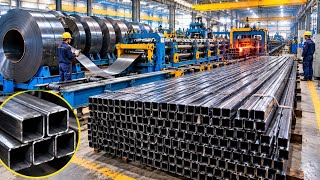
How Are Steel Coils Turned Into Square Pipes in a Factory? | Complete Manufacturing Process
Oct 24, 2026
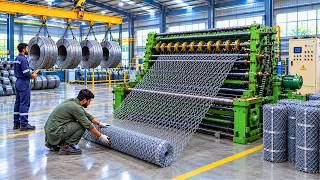
Amazing Manufacturing Process of IRON MESH | Steel Coils to Strong Wire Mesh Making
Oct 17, 2026
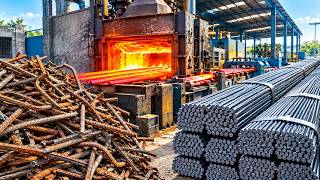
Unbelievable! Top 3 Most Amazing Recycling and Manufacturing Processes Videos
Oct 09, 2026
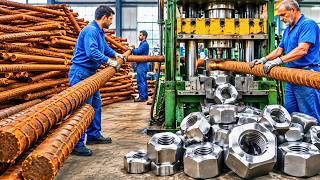
Old Rebar into Hex Nuts — The Incredible Manufacturing Process
Oct 04, 2026