Old Rebar into Hex Nuts — The Incredible Manufacturing Process
Audio Brief
Show transcript
This episode covers the industrial manufacturing of heavy-duty truck wheel nuts from reclaimed construction scrap and the process of recycling aluminum cans into solid ingots.
There are three key takeaways from this industrial process. First, systematic raw material preparation is crucial for quality control. Second, precise temperature management during hot forging ensures metal malleability. Third, automated precision finishing is required to guarantee structural integrity and thread durability.
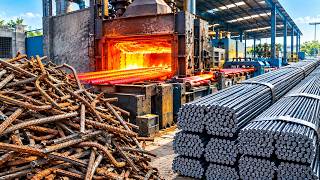
Rusted rebar scrap is first cut into uniform segments to guarantee consistent size and weight before entering the furnace. These steel segments are heated in coal-fired furnaces to extreme temperatures, making the metal malleable enough to be pressed instantly into hexagonal shapes without cracking.
During the final stages, automated tapping machines cut precise internal threads using heavy lubrication to prevent tool wear and ensure burr-free connections. Additionally, the recycling process demonstrates how melting consumer aluminum cans requires specialized skimming techniques to remove impurities before casting pure ingots.
Ultimately, these processes highlight how advanced workshop techniques can successfully transform scrap metal into high-strength, functional automotive components.
Episode Overview
- This episode explores the fascinating process of manufacturing heavy-duty truck wheel nuts from scrap metal.
- It details the journey from raw rebar scrap, heating, and forging, to the final thread tapping and quality check.
- The episode also features a secondary process demonstrating how recycled aluminum cans are melted and cast into solid aluminum ingots.
- This content is highly relevant for those interested in industrial recycling, metal forging, and workshop manufacturing techniques.
Key Concepts
- Scrap Repurposing: Utilizing construction rebar scrap as raw material showcases how discarded steel can be successfully reclaimed for high-strength automotive applications.
- Hot Forging: Heating the steel segments in a coal-fired furnace makes the metal malleable enough to be pressed into the signature hexagonal nut shape using high-pressure die presses.
- Precision Tapping: Internal thread cutting is a crucial finishing step, using automated tapping machines to ensure the nuts can securely thread onto heavy-duty wheel studs.
- Aluminum Recycling: Melting aluminum cans requires specialized furnaces and skimming techniques to separate pure molten aluminum from impurities and paint residue before casting.
Quotes
- At 0:35 - "The machine cuts the rusted rebar into precise, uniform segments." - Explaining the crucial first step of preparing raw materials for the forging process.
- At 3:43 - "The red-hot steel is pressed in the die, forming the hex nut shape instantly." - Showing the transformative power of hot forging under extreme pressure.
- At 7:05 - "Automated tapping creates the durable internal threads needed for heavy-duty truck wheels." - Highlighting the precision engineering required for functional automotive hardware.
Takeaways
- Implement systematic cutting and sorting of raw scrap to ensure consistency in size and weight before forging.
- Maintain consistent furnace temperatures to ensure optimal metal malleability and prevent cracking during the forging stage.
- Use lubrication during the high-speed thread-tapping process to extend tool life and ensure smooth, burr-free threads.
More from Hard Work and Skills

How Motorcycle Rear Sprockets Are Made — The Incredible Manufacturing Process
Sep 27, 2026
How Old Steel Bars Are Turned Into New Rebar | Full Process
Sep 20, 2026

Top 5 Crazy & Amazing Recycling and Manufacturing Processes in the World | Amazing Factories
Sep 02, 2026

How Plastic Waste Becomes Brand New Pipes | Incredible Process
Aug 29, 2026