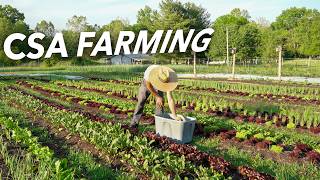
Getting in a Late Garden + In The Field With the Tilther
Audio Brief
Show transcript
This episode covers strategies for maximizing late-season garden yields and optimizing soil preparation tools during the critical mid-summer planting window.
There are three key takeaways from this discussion. First, maintaining a continuous planting schedule through July and August is essential to prevent empty beds in the fall. Second, transitioning from direct-seeding to transplants gives late-season crops a critical head start against shortening autumn days. Third, using shallow-tillage tools like a tilther allows growers to incorporate soil amendments without disrupting vital deep-soil biology.
Pushing through the mid-summer slump is crucial for securing a productive fall and winter harvest. While high heat and heavy harvesting tasks can cause fatigue, failing to plant during July and August leaves gardens empty by October. Warm summer soils actually benefit growers by encouraging rapid germination and vigorous early growth compared to chilly spring conditions.
Utilizing well-hardened transplants rather than direct seeding provides late-season brassicas and greens with a massive advantage. Transplants bypass the vulnerable early germination phase in extreme heat and mature much faster as daylight hours begin to dwindle. Success also depends on strategic shade management and watering beds thoroughly the day before transplanting to minimize heat shock.
Efficient bed turnover relies on preparing the top two inches of soil without disturbing the deeper rhizosphere. Using a specialized shallow-tillage tool like a tilther allows growers to quickly mix in soil amendments and create a perfect planting bed. This method preserves critical deep-soil biology while preparing a clean, debris-free surface for the next crop rotation.
By maintaining a rigorous planting schedule and utilizing low-disturbance soil tools, growers can successfully extend their harvest deep into the winter months.
Episode Overview
- This episode of Growers Daily focuses on late-season gardening tips and the mantra "Just Keep Planting" to ensure a continuous harvest into fall and winter.
- Host Jesse Frost shares his experience harvesting a bumper crop of large onions and explains the importance of continuing to prep beds and plant crops through July and August.
- The episode features a detailed, hands-on review of the "Tilther" tool from Johnny's Selected Seeds, evaluating its effectiveness in preparing the top few inches of soil for planting.
- This content is highly relevant for market gardeners, homesteaders, and small-scale farmers looking to optimize their late-summer planting schedules and learn about efficient soil preparation tools.
Key Concepts
- The "Just Keep Planting" Mantra: In the peak of the summer harvest, farmers often feel overwhelmed by maintenance and harvesting tasks, making it difficult to find the motivation to start new plantings. However, failing to plant in July and August leads to empty beds and a lack of produce in September and October. Pushing through the summer slump is essential for a productive fall and winter.
- The Advantages of Late Planting: Starting a garden late or planting late-season crops has unique benefits, such as naturally avoiding the peak life cycles of certain spring pests. Additionally, warm summer soils encourage rapid germination and vigorous early growth compared to the cold soils of early spring.
- Strategic Shade Management: Utilizing microclimates and shade in the heat of summer is crucial for cool-season crops. Planting heat-sensitive crops like lettuce and peas in areas that receive partial afternoon shade from nearby trees or taller crops can prevent bolting and stress.
- Surface-Level Soil Tilth: Minimizing deep soil disturbance while preparing a perfect seedbed is a core tenet of ecological farming. Using a tool like a tilther allows growers to incorporate soil amendments and create a fine planting tilth in the top two inches of the soil without disrupting the deeper rhizosphere and soil biology.
Quotes
- At 2:46 - "Before you know it, the season will just stop... If you don't push through in July and August, come September and October, you will look out and realize that you have almost no produce." - Explaining the critical importance of summer planting for maintaining fall crop yields.
- At 7:44 - "One of the biggest [considerations] is using transplants as much as possible... having plants that are a few weeks into their growth will make a huge difference in success." - Highlighting why transplanting is superior to direct seeding when racing against a shortening autumn window.
- At 14:04 - "In this case, it's just working these amendments down a couple inches into the soil without getting down into the rhizosphere, which is what you don't want." - Demonstrating how the tilther prepares the soil surface while protecting the critical root zone biology below.
Takeaways
- Shift from direct-seeding to using well-hardened transplants for late-season crops like brassicas to give them a head start and ensure they mature before the autumn growth slowdown.
- Prioritize thorough bed watering the day before transplanting in hot weather, and perform the planting in the evening or early morning to prevent severe transplant shock.
- Use a shallow-tillage tool like a tilther to quickly incorporate amendments and prep beds between crops, but keep pathways clean of debris to prevent the tool from clogging.