When Farming Used to be a Breeze + Horsenettle and Other Perennial Weeds
Audio Brief
Show transcript
This episode explores the historical transition from hunter-gatherer to agrarian societies and provides practical, ecological strategies for managing persistent perennial weeds in organic farming systems.
There are three key takeaways from this discussion. First, the historical shift to sedentary agriculture was a highly labor-intensive transition that increased vulnerability to famine and social inequality rather than an immediate upgrade. Second, managing deep-rooted perennial weeds requires active, fast-cropping rotations rather than relying on short-term tarping. Third, improving soil structure through organic matter is essential to facilitate the physical removal of stubborn weed rhizomes.
Historically, hunter-gatherer societies resisted settling into agrarian lifestyles for thousands of years due to the massive physical labor and risks associated with domesticating grain crops. Relying on a narrow set of crops created extreme vulnerability to crop failure, a stark contrast to the diverse diets of mobile societies. This transition also drove the rise of highly stratified states and forced labor to meet the intense demands of field cultivation.
For modern organic growers, persistent perennial weeds like horsenettle cannot be eradicated with short-term tarping because their deep root systems store massive energy reserves. A more effective approach utilizes rapid crop rotations, planting fast-maturing crops like radishes or lettuce in heavily infested beds. This strategy forces frequent harvesting and bed preparation, repeatedly disrupting and exhausting the weed roots throughout the season.
Successful management ultimately depends on improving overall soil health and structure. Looser soil rich in organic matter makes it far easier to manually extract deep rhizomes without leaving fragments behind to regrow. Combining extended tarping with active physical disruption creates a long-term solution for maintaining clean, high-yield organic beds.
By understanding both historical ecological principles and modern soil management, farmers can build more resilient, productive agricultural systems.
Episode Overview
- This episode explores the historical transition from hunter-gatherer to agrarian societies, challenging the traditional narrative of agricultural progress.
- It addresses a practical grower query on managing persistent horsenettle infestations in organic, no-till beds.
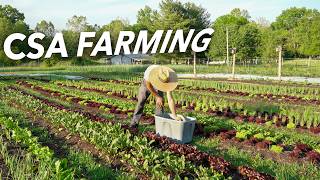
- It demonstrates a hands-on field session featuring potato harvesting by hand and preparing beds for garlic planting with a diverse cover crop mix.
- It provides valuable context for small-scale market gardeners and ecological farmers navigating weed control, crop rotation, and soil health.
Key Concepts
- The Myth of Agricultural Progress: Based on James C. Scott's book Against the Grain, the transition from hunting and gathering to sedentary agriculture was not a swift or universally welcomed leap forward. Hunter-gatherers resisted settling into agrarian lifestyles for thousands of years because farming was highly labor-intensive, risky, and prone to crop failures, diseases, and social inequalities like slavery.
- Hunter-Gatherer Abundance: Hunter-gatherer societies enjoyed a highly diversified diet consisting of hundreds of wild food sources. If one resource failed or an area was disrupted, they could easily migrate. Agrarian societies, by contrast, placed all their "eggs in one basket" by relying on a few domesticated grain crops, making them highly vulnerable to famine and state control.
- The Persistence of Perennial Weeds: Perennial weeds like horsenettle, bindweed, and Johnsongrass spread both by seed and via deep rhizomes. Tarping for short periods is insufficient to kill them because their deep roots store enough energy to regenerate once the tarp is removed. Effective control requires persistent, deep hand-pulling or systematic, exhaustive cultivation.
- Strategic Crop Rotation for Weed Management: Planting fast-maturing crops (like radishes, turnips, or lettuce) in weed-prone areas allows for frequent harvesting and subsequent bed preparation. This cycle creates multiple opportunities throughout a single season to disturb, weaken, and exhaust the root reserves of stubborn perennial weeds.
Quotes
- At 3:28 - "When we were hunter-gatherers... we had hundreds of things we could eat at any one time... But if you grow just a handful of crops, all of your proverbial eggs are in one basket." - Explaining the inherent risk and vulnerability introduced by the shift to monoculture-based agriculture.
- At 5:08 - "It required a profound amount of work to manage fields of grain... you needed more labor, and thus, slavery was born." - Highlighting the dark social consequences and labor demands associated with early agrarian state building.
- At 11:16 - "Don't let those areas where you are seeing weeds like these be where you put crops you barely visit. I like to plant the fastest crops possible in those areas..." - Clarifying a practical strategy for managing heavy weed pressure through active cultivation and quick crop turnarounds.
Takeaways
- Implement a fast-cropping rotation (such as radishes followed by lettuce) on beds infested with perennial weeds to maximize the frequency of bed clearing and weed disruption.
- Avoid using short-term tarping as a sole remedy for deep-rooted perennial weeds; instead, combine extended tarping with deep manual root extraction.
- Prioritize soil decompaction and organic matter accumulation, as looser, healthier soil makes pulling deep weed rhizomes significantly easier and more effective.