What Is Cultivation REALLY
Audio Brief
Show transcript
This episode covers practical farming management, the technical distinctions in weed control, and the financial realities of producing free agricultural education.
There are three key takeaways from this discussion. First, growers must distinguish proactive soil cultivation from reactive weeding to optimize field labor. Second, cover crop selection in no-till systems requires careful planning to avoid termination challenges with resilient varieties. Third, agricultural content creators must segment their media formats to align with the unique work habits of hobbyists and professional growers.
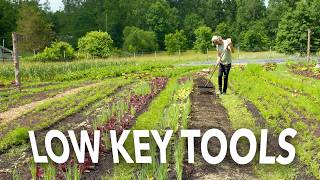
In crop management, proactive cultivation refers to shallowly disrupting the soil surface to kill weeds before they fully establish. In contrast, weeding is a corrective action that signals a management delay, which increases labor costs. Utilizing deep mulch in no-till systems minimizes the physical need for constant cultivation, protecting the soil structure while keeping weed pressure low.
When managing field operations, plant selection and simple maintenance tools dictate daily efficiency. Resilient, deep-rooted cover crops like chicory should be avoided in no-till systems unless growers are prepared for intensive tarping or tillage to prevent regrowth. On a practical level, growers can maintain consistent water flow for sensitive plantings by carrying a toothbrush to quickly clear sediment from clogged sprayers.
Finally, sustaining agricultural education platforms requires a deep understanding of media economics and audience habits. Professional growers primarily consume long-form audio podcasts while working in the fields, whereas hobbyists engage more with short, highly visual video content. Meeting these diverse needs requires high production costs, making alternative revenue streams like sponsorships and community support critical for survival.
Optimizing operational field techniques and understanding modern media delivery remain vital to the success of the broader farming community.
Episode Overview
- This episode of "Growers Daily" serves as a "Feedback Friday" session, where host Jesse Frost addresses listener comments, questions, and feedback from the previous week's topics.
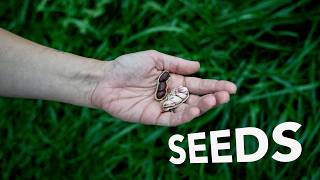
- The episode covers a wide range of practical farming and gardening subjects, including cover crops (specifically chicory), bat houses, gardening tools (like utilizing a toothbrush), seed saving, and growing summer lettuce in hot climates.
- Jesse answers a Patreon question from Nikos Serolos, diving deep into the specific definition and nuances of the term "cultivation" in both no-till and traditional tillage farming contexts.
- The host transparently shares the business realities behind running a free content platform, explaining recent "tweaks" to the show's format designed to better serve distinct audiences (hobbyists vs. professionals) while keeping the project financially sustainable.
Key Concepts
- The Nuances of "Cultivation": While often used interchangeably with weeding, "cultivation" specifically refers to running a tool (like a hoe) through an existing crop to disrupt the soil surface and kill weeds before they fully establish. In no-till systems, deep mulch acts as a form of cultivation, meaning actual physical cultivation is required less frequently compared to tillage systems where soil particles are constantly exposed.
- The Distinction Between "Cultivation" and "Weeding": "Cultivation" is a proactive, positive part of the crop management process. "Weeding," on the other hand, carries a slightly negative connotation in farming, implying a mistake was made (e.g., failing to cultivate on time), which now requires corrective action to save the crop.
- Audience Segmentation in Farming Content: Content creators in the agricultural space must balance two distinct audiences: hobbyists/aspiring growers who prefer shorter, highly visual videos, and professional growers who prefer long-form audio podcasts they can listen to while working in the field.
- The Financial Reality of Free Ag Education: Producing high-quality, free agricultural media is highly resource-intensive (costing upwards of $12,000/month for this show). Diverse revenue streams, including sponsorships, merchandise, and Patreon, are essential because platform-native ad revenue (like YouTube) is rarely enough to cover production costs.
Quotes
- At 1:30 - "The reason I don't recommend [chicory] in cover crop mixes is that I don't want to have to till a cover crop in in the spring to kill it... the regrowth from the roots is quite substantial if you're not tilling it." - Explaining the practical termination challenges of using chicory as a cover crop in a no-till system.
- At 9:55 - "Cultivating is always working to crack the soil surface or take care of the weeds before they really get established, but it's not 'weeding.' Weeding is a term in farming that is typically somewhat more negative... weeding the carrots implies you maybe goofed." - Clarifying the semantic and practical differences between proactive cultivation and reactive weeding.
- At 13:28 - "The hobbyists and aspiring growers tend to watch the videos more, while the professional growers tend to listen more to the podcasts while they work in the field." - Highlighting the differing media consumption habits of different segments of the farming community.
Takeaways
- When choosing cover crops for a no-till system, avoid deep-rooted, resilient crops like chicory unless you are prepared for a tillage event or a very long tarping period to successfully terminate them.
- Keep a toothbrush in your garden pocket as a low-cost tool to quickly scrub and clear sediment from clogged hose sprayers, ensuring consistent water flow for sensitive plantings.
- When growing lettuce in extreme heat (over 100°F/38°C), use a 40% shade cloth, utilize drip irrigation, and consider misting the crop a few times during the hottest parts of the day to lower the leaf temperature and prevent growth arrest.