What Does “Winter Growing” Mean in Hot Regions
Audio Brief
Show transcript
This episode of Growers Daily explores the integration of technology and agricultural practices, focusing on fitness trackers, warm-climate crop planning, and the biology of potato cultivation.
There are three key takeaways from this discussion. First, wearable fitness tech can be used to optimize farm layouts rather than monitor physiological stress. Second, warm-climate farming requires inverting traditional crop schedules to utilize winter as the primary growing season. Third, replanting freshly harvested potatoes should be avoided due to natural dormancy cycles and disease risks.
While wearable fitness trackers often flag high-intensity farm work as a signal to rest, they can cause unnecessary stress for farmers who cannot easily take days off. Instead of tracking physiological strain, growers can use step counters as diagnostic tools to evaluate farm layout efficiency. Optimizing walking paths based on this data can significantly reduce daily labor and physical fatigue.
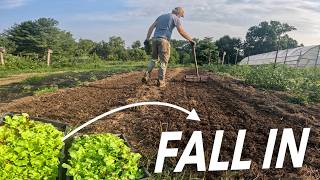
In warm regions like Zone 8b, summer heat often forces a fallow period, shifting the primary growing season to the winter. This environmental reality requires starting cool-season crops in late summer to prepare for winter-long harvests. High tunnels are also leveraged during this time to protect high-value crops from brief cold snaps rather than prolonged freezes.
Attempting to replant small harvested potatoes in the same season fails because tubers require a curing and dormancy period of at least six weeks before they can sprout. Furthermore, replanting home-grown potatoes increases the risk of propagating systemic diseases that reduce future yields. Investing in certified seed potatoes remains the most economical choice for ensuring healthy, productive crops.
Optimizing both daily farm efficiency and seasonal crop biology is essential for long-term agricultural success.
Episode Overview
- This episode of "Growers Daily" features a mailbag format, answering questions from the community about integrating technology and agricultural practices on the farm.
- Host Jesse Frost explores the utility and limitations of wearable fitness trackers for farmers, highlighting the tension between standard physiological baselines and the realities of physical labor.
- The discussion shifts to warm-climate crop planning, specifically addressing how growers in Zone 8b can maximize their winters, which function more like summers do in cooler regions.
- Jesse also breaks down the biological challenges of replanting small harvested potatoes as seed in the same season, warning of dormancy barriers and potential disease propagation.
Key Concepts
- Farmers as "Extreme Athletes" vs. Tech Baselines: Wearable tech like Fitbits or Pixel watches often use standard biometric algorithms that flag high-intensity farm work—especially in extreme heat—as a signal to rest. However, because farmers cannot easily take a day off during peak season, these warnings can cause unnecessary stress rather than provide helpful guidance.
- The "Upside Down" of Warm-Climate Farming: In regions like Northern Texas (Zone 8b), summer is often a fallow or cover-crop period due to extreme heat, while winter serves as the primary growing season. This requires a complete inversion of traditional crop schedules, turning winter into the peak period for brassicas, leafy greens, and cold-hardy crops.
- Tunnels as Season-Bridging Tools: In hot climates, hoop houses and high tunnels are not just for winter cold protection; they are crucial for keeping fall-planted crops like tomatoes and peppers alive through brief winter cold snaps so they can rapidly return to heavy production in early spring.
- The Biology of Potato Dormancy: Freshly harvested potatoes are biologically programmed to enter a dormant state to survive the winter. Attempting to replant them immediately fails because the tubers require a curing and dormancy period (typically at least six weeks) before they are capable of sprouting.
- Risks of On-Farm Seed Potato Saving: Replanting small potatoes from a current harvest risks propagating systemic diseases (like viruses) that accumulate in the tubers over generations. Certified seed potatoes, by contrast, are tissue-cultured and rigorously tested to ensure clean, high-yielding crops.
Quotes
- At 2:15 - "What tech makes sense on a farm is a question of what standard this tech uses and what sort of picture of your life it would paint... Seeing those numbers would stress me out a little bit, honestly, and make me feel like I'm not doing what I'm supposed to be doing." - Explaining the psychological burden of fitness trackers that suggest rest on critical workdays.
- At 7:07 - "What I think of as fall is largely go-time for you down there... It's like a whole other world where winter is summer and tomatoes are planted when mine are coming out of the ground." - Defining the unique seasonal cycle of warm-climate growers compared to northern zones.
- At 12:15 - "What you might end up doing is taking some of last year's yield to take up space to grow a worse-yielding potato... It might cost more money upfront to just get good seed potatoes, but the results are more economical in the end." - Clarifying the hidden financial and agricultural costs of replanting on-farm potato harvests.
Takeaways
- Utilize step-tracking features on a smartphone or watch as a diagnostic tool to evaluate farm layout efficiency, aiming to optimize paths and reduce daily steps taken.
- Treat late summer (July and August) in hot climates like Zone 8b as the start of the primary planting window for cool-season crops, starting brassicas and tomatoes indoors to prepare for a winter-long harvest.
- Avoid replanting freshly harvested potatoes immediately; instead, source certified disease-free seed potatoes annually to protect soil health and guarantee high yields.