Tom Lee's Bull Case for S&P 7,300 (And His Warning)
Audio Brief
Show transcript
This episode covers the immediate financial market reaction to breaking geopolitical tensions in the Gulf region and underlying structural issues in energy markets.
There are three key takeaways. First, short-term market drops are expected risk-off behaviors. Second, a significant disconnect exists between oil futures and physical supply. Third, a broader market reckoning may occur later this year.
Sudden geopolitical conflicts create a fog of war, prompting algorithmic selloffs that temporarily override fundamentals. However, the true focus should remain on energy supply chains. Oil futures are currently mispricing acute global shortages. Paper markets must eventually reconcile with physical reality, forcing prices upward. This dynamic, combined with upcoming Federal Reserve policy tests, sets the stage for potential market volatility in the coming months.
Investors should prepare their portfolios for these shifting catalysts while looking past immediate headline noise.
Episode Overview
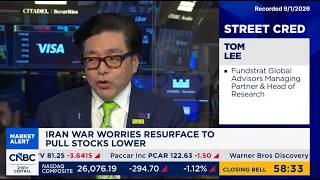
- This segment analyzes the immediate financial market reaction to breaking geopolitical tensions involving the US and Iran in the Gulf region.
- Financial expert Tom Lee provides context on why stock futures experienced a sharp "risk-off" selloff following the news, and why investors shouldn't panic.
- The discussion explores the long-term implications for energy markets, highlighting a significant current disconnect between oil futures and physical supply realities.
Key Concepts
- The "Fog of War" Market Reaction: Short-term market drops in response to sudden geopolitical conflict are expected "risk-off" behaviors. Uncertainty temporarily overrides market fundamentals, causing algorithms and traders to sell first and ask questions later.
- The Commodity Pricing Disconnect: There is currently a puzzle in the markets where oil futures are not fully pricing in the acute physical shortages that are developing globally. Eventually, physical reality and paper markets must reconcile, forcing prices to adjust upward.
- Delayed Market Reckoning: While the base case remains generally resilient for equities in the near term, underlying structural issues—such as the reality of energy shortages and upcoming policy tests by the Federal Reserve—could force a broader market correction later in the year.
Quotes
- At 0:30 - "I mean I'm not surprised in the short term markets are going to react in a risk-off way... it makes a lot of sense because this adds to the fog of war." - Explains the immediate, psychological reaction of markets to sudden geopolitical uncertainty.
- At 0:54 - "There's a price for oil today in the futures markets, but it doesn't seem to reflect the reality of... acute shortages developing and eventually price has to react." - Highlights the critical disconnect between paper trading markets and physical commodity supplies.
- At 1:20 - "I do think at some point there could be a reckoning later this year and I think part of it is the Fed being tested... and the second part is you know the market trying to reconcile this shortage of oil." - Outlines the specific macroeconomic catalysts that investors need to monitor for future volatility.
Takeaways
- Look past immediate "risk-off" market reactions caused by geopolitical headlines to focus on longer-term structural trends in your portfolio.
- Monitor physical commodity supply chains, particularly in the energy sector, as futures markets may temporarily misprice actual global shortages.
- Prepare your portfolio for potential market volatility later in the year by accounting for Federal Reserve policy shifts and the inevitable price corrections in the oil market.