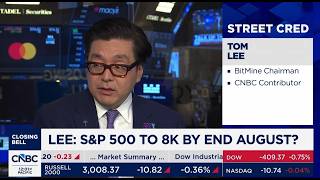
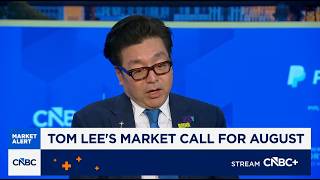
Tom Lee: S&P 8,000, Then a 10% Pullback
Audio Brief
Show transcript
This episode covers the driving forces behind the S and P 500 bull market and the likelihood of a near-term correction. There are three key takeaways. First, robust corporate earnings remain the anchor of market strength. Second, expanding market participation across diverse sectors signals a healthier rally. Third, widespread investor skepticism may actually prolong this bull market.
Strong earnings provide a cushion against volatility, while the rally's expansion into healthcare and financials reduces reliance on mega-cap tech. Additionally, history shows that market pullbacks typically strike during periods of universal optimism and high leverage. This means current investor caution acts as a stabilizer, preventing the speculative bubbles that usually precede a major market top.
Ultimately, a broad-based rally supported by solid fundamentals suggests this upward trajectory has room to run despite short-term uncertainties.
Episode Overview
- Understanding the Bull Market: This episode of "Talk of the Tape" explores the factors driving the current stock market rally, focusing on the S&P 500's potential path forward and the role of strong earnings and tame CPI reports.
- The Debate on Pullbacks: The panel of financial experts discusses the likelihood of a 10% market pullback, weighing strong economic fundamentals against potential risks like margin debt, geopolitical uncertainties, and upcoming midterms.
- Broad-Based Market Participation: The discussion highlights how the rally is expanding beyond just mega-cap tech stocks to include healthcare, financials, and industrials, signaling a healthier market environment.
- The Role of Skepticism: The guests debate whether widespread investor skepticism is actually a positive sign that could sustain the bull market for longer, drawing comparisons to historical market patterns.
Key Concepts
- Earnings as the Market's Anchor: The core driver of the current market's strength is robust corporate earnings, particularly expectations for 2027. This strong fundamental support justifies current valuations and provides a cushion against near-term volatility.
- The Anatomy of a Pullback: Market pullbacks often occur when investor optimism is high and leverage (such as margin debt) has built up. Understanding these underlying mechanics helps investors anticipate when the market might be vulnerable, even when current economic data looks positive.
- Healthy Skepticism and Bull Market Longevity: A "wall of worry"—characterized by investor caution and skepticism—can actually prolong a bull market. When investors remain wary, it prevents the speculative excesses that typically precede a major market top, allowing the rally to continue on more solid footing.
- Market Breadth as a Health Indicator: A rally driven by multiple sectors (like healthcare, industrials, and financials) is inherently more stable than one concentrated in only a few mega-cap tech names. Broad participation suggests that the wider economy is performing well, not just a single industry.
Quotes
- At 0:24 - "I think the rally's quite healthy, and it's tracking to our view that we could get to 7,900 or 8,000 by the end of the month on the S&P." - Tom Lee, highlighting his optimistic near-term target for the market based on strong CPI and earnings data.
- At 1:31 - "Pullbacks occur when we're least expecting it, and usually when investors are bullish." - Tom Lee, explaining the contrarian nature of market pullbacks and why high optimism can be a warning sign.
- At 5:24 - "I welcome skepticism, because actually, I think it means that the bull market can go on for a bit longer." - Stephanie Guild, explaining why investor caution can act as a stabilizing force that extends the life of a rally.
Takeaways
- Monitor Market Breadth, Not Just Mega-Caps: Look beyond the major tech giants to assess market health; a sustainable rally requires participation from diverse sectors like healthcare and financials.
- Be Wary of High Leverage and Universal Optimism: Recognize that the greatest risk of a market pullback often coincides with peak investor bullishness and high levels of margin debt.
- View Investor Skepticism as a Positive Indicator: Use widespread market caution as a signal that the bull market may still have room to run, as it prevents the rapid formation of speculative bubbles.