The U.S. Tried to Choke Russia’s Energy Market. Then It Made a Diesel Deal.

Audio Brief
Show transcript
This episode covers President Trump’s sudden decision to temporarily lift U.S. sanctions and purchase billions of dollars in Russian diesel, analyzing its minimal domestic economic impact against its massive geopolitical implications.
There are four key takeaways from this conversation. First, the administration has reversed its diplomatic sequencing by offering Russia economic relief before securing peace negotiations. Second, rising domestic fuel prices ahead of the midterms shifted U.S. frustration toward Ukraine rather than Russia. Third, the diesel deal delivers negligible economic relief while fundamentally altering the geopolitical landscape. Fourth, the diplomatic shift overlaps with lucrative private business deals involving associates of top U.S. negotiators.
On the diplomatic reversal, peace envoy Steve Witkoff initially pitched post-war business deals to Vladimir Putin starting in February 2025. That strategy failed because Putin prioritized territorial control in Ukraine over money. Recently, U.S. officials worried the Kremlin doubted their desire for friendly relations, so they flipped the strategy. Washington decided to offer business deals and sanctions relief before the war ends, requiring zero known Russian concessions.
This shift was accelerated by energy warfare and domestic political pressure. Following the outbreak of the Iran war in February, Ukrainian strikes knocked roughly half of Russian oil refining capacity offline, prompting Russia to ban diesel exports in July. When Ukraine refused U.S. pressure to unilaterally stop hitting Russian refineries without a mutual energy cease-fire, President Trump blamed Ukrainian President Volodymyr Zelensky for high U.S. fuel prices ahead of the midterms.
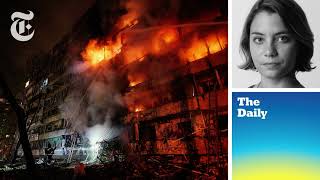
Despite the geopolitical shock of suspending Treasury sanctions, the domestic economic impact of the diesel agreement is largely symbolic. Russia will immediately supply 300,000 tons of diesel, with 500,000 tons following in November. However, 300,000 tons represents less than a single day of U.S. consumption, and national diesel prices dropped just four cents to six dollars and twenty-eight cents a gallon. Meanwhile, the Kremlin maintains it is not ready to negotiate and continues bombing Ukrainian infrastructure.
Finally, this diplomatic pivot coincides with overlapping private business interests. An investor group led by billionaire Trump donor Todd Boehly and the U.S. government is close to buying billions in international assets from sanctioned Russian oil giant Lukoil. Notably, the group includes two Syrian-Qatari billionaire brothers who have existing business partnerships with key U.S. negotiators Jared Kushner and Steve Witkoff, though there is no indication the envoys will profit directly from the Lukoil transaction.
Ultimately, the Russian diesel agreement marks a profound shift in U.S. foreign policy that trades long-standing diplomatic leverage for symbolic domestic energy relief, while bringing Russia closer to international normalization at Ukraine's expense.
Episode Overview
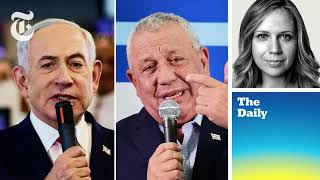
- In this Wednesday, October 14th episode of The Daily, host Natalie Kitroeff and The New York Times journalist Anton Troianovski (who disclose no sponsors or funding in this segment) examine President Trump’s sudden announcement to temporarily lift U.S. sanctions and buy billions of dollars in Russian diesel.
- The narrative traces the evolution of the Trump administration's strategy—moving from a 2024 campaign promise to end the war in Ukraine in 24 hours, to pitching post-war business deals, and finally to granting economic relief before any peace negotiations occur.
- The discussion contrasts the minimal domestic economic impact of the diesel deal against its massive geopolitical implications for Ukraine, European allies, and Russia’s international standing.
- The episode also explores the entanglement of diplomacy and private business interests among U.S. negotiators, before concluding with a brief news roundup covering U.S. diplomatic resignations, the Vatican, and Cornell University.
Key Concepts
- The Evolution of the U.S.-Russia Negotiation Strategy: Following Trump's 2024 campaign promise to end the four-and-a-half-year war in 24 hours, peace envoy Steve Witkoff began meeting with Vladimir Putin in February 2025 to pitch lucrative business deals if the war ended. This initially failed because Putin prioritized territory (specifically the Donbas), post-war control over Ukraine, and NATO troop placements over money. In recent months, NYT reporting shows the U.S. strategy flipped: officials worried the Kremlin did not believe the U.S. truly wanted a friendly relationship, so they decided to offer business deals and sanctions relief before the war ends—with zero known Russian concessions—as a good-faith gesture.
- Energy Warfare and Shifted Blame: After the Iran war began in February of this year and raised global energy prices, Russia carried out its deadliest attack of the year in Ukraine (killing at least 33 people and hitting a power plant), while Ukraine struck eight Russian oil refineries (including one 10 miles from the Kremlin). Troianovski notes that Ukrainian strikes knocked "something like half" of Russian oil refining capacity offline, causing Russian gas lines and forcing Russia to ban diesel exports in July. When Ukraine refused U.S. pressure to unilaterally stop hitting refineries without a mutual cease-fire on energy infrastructure, Trump grew angry at Ukrainian President Volodymyr Zelensky rather than Putin for high U.S. fuel prices ahead of the midterms.
- A Geopolitical Reversal with Symbolic Economic Impact: Up until Friday, the Trump administration had maintained Biden-era intelligence support for Ukraine (which Trump confirmed on Tuesday is continuing), imposed tough sanctions on Russian oil a year ago, and signed a bipartisan congressional sanctions bill just weeks ago. However, on Friday at Witkoff's Shell Bay golf resort outside Miami, Witkoff and White House envoy Jared Kushner told European and Ukrainian officials that sanctions on Russian diesel were being lifted. Hours later, after speaking with Putin, Trump posted on Truth Social that Russia would immediately supply over 300,000 tons of diesel, 500,000 tons in November, and potentially millions more, while the Treasury Department temporarily suspended Russian diesel sanctions. Despite the geopolitical shock, 300,000 tons is less than one day of U.S. consumption, and AAA data as of Tuesday showed diesel prices dropped only 4 cents from a week ago, from $6.32 to $6.28 a gallon.
- Unchanged Battlefield Realities and Future Leverage: Zelensky slammed the diesel deal as "an investment in a war" and a "weak decision," prompting Trump to state that Zelensky "could have settled this war many times" and "I suggest they get a new leader who can make a deal." Since Friday's announcement, the Kremlin has stated it is still not ready to negotiate and has continued bombing Ukrainian infrastructure and causing civilian deaths. While Europe still buys Russian liquefied natural gas and landlocked Slovakia and Hungary buy Russian oil (with the EU planning to end Russian gas imports by next year), far-right and far-left movements in Germany, France, and the U.K. are pushing for friendlier ties and renewed Russian gas imports. Meanwhile, Russia's finance minister recently attended the G20 in North Carolina, and Putin may attend the December G20 summit in Miami. Troianovski hedges that his sense is the administration still sees sanctions as leverage, but potentially in a more incremental way, and notes it is "speculation from analysts following the war" that ending it will ultimately require direct negotiation between Russia and Ukraine.
- Overlapping Diplomatic and Business Networks: Alongside the diesel announcement, a deal is far along for an investor group to buy billions of dollars in international assets of the sanctioned Russian oil company Lukoil (including refineries, oil fields, and New Jersey gas stations). The group is led by American billionaire and Trump political donor Todd Boehly, alongside the U.S. government and Middle Eastern investors—specifically including two Syrian-Qatari billionaire brothers who are business partners with Jared Kushner and his wife Ivanka Trump on a resort in Albania, and who also have business ties to Witkoff. Troianovski notes there is no indication Witkoff or Kushner would profit directly from the Lukoil deal, but highlights the significance of their business partners participating in it.
- Other Major News Developments: In Tuesday news, U.S. ambassador to Greece Kimberly Guilfoyle resigned at the White House's request following Wall Street Journal reports on conflicts of interest, specifically a Republican donor claiming she asked him to wire her $100,000 to pay off her credit card before her Senate confirmation hearing last year in exchange for being his "ride or die in the Trump world." Additionally, the Vatican stated that Pope Leo XIV was diagnosed with lung cancer and had a successful surgery with no complications on Tuesday to remove a lower lobe of his right lung, and Cornell University banned fraternity house parties for the rest of the academic year and will add experienced sexual assault investigators following a student's allegation of an October 2024 gang rape.
Quotes
- At 1:34 - "So Friday's news was a really stunning reversal because it was the president saying we have agreed with Russia that the Russians will immediately supply 300,000 tons of diesel to U.S. and world markets and even more after that without even saying that this was part of some kind of broader deal to de-escalate this war in Ukraine that's now gone on for four and a half years and killed hundreds of thousands of people." - Anton Troianovski explaining why the sudden suspension of Russian diesel sanctions broke with years of established U.S. foreign policy.
- At 7:21 - "Now in recent months, according to our reporting, the message has evolved to we are willing to consider deals with Russia before the end of the war. Because one of the things that folks in the administration who are working on this are worried about is that Putin and the Kremlin might not believe that the Trump administration is really ready to change course and enter into a new kind of more friendly relationship with Russia." - Anton Troianovski revealing the internal administration logic behind offering Russia economic concessions prior to a cease-fire.
- At 12:28 - "So this move on Russian diesel, even though the numbers are relatively small, is still the most concrete sign that this administration in Washington is ready to really substantively change its relationship with Russia and to do so potentially at Ukraine's expense." - Anton Troianovski contrasting the minor volume of fuel against the major diplomatic shift it represents after the administration had previously maintained and expanded Biden-era sanctions.
- At 14:55 - "I mean, the initial number we're talking about is an extra 300,000 tons of Russian diesel onto the global market. That's less than one day of consumption in the U.S." - Anton Troianovski contextualizing the actual scale of the initial fuel delivery relative to domestic American energy demand.
- At 22:19 - "Of course, there are many potential investors out there, and it is significant that the investors getting a piece of this potentially very lucrative deal are ones with business ties to the two main American negotiators." - Anton Troianovski highlighting the overlap between U.S. diplomacy and the private business networks of Steve Witkoff and Jared Kushner in the pending Lukoil asset purchase.
Takeaways
- Compare announced commodity figures against baseline consumption: When evaluating government claims about energy deals lowering domestic prices, measure the raw supply numbers (such as 300,000 tons of diesel) against daily national usage and actual pump price shifts (a 4-cent change) to separate political messaging from market impact.
- Look for shifts in diplomatic sequencing: To understand changing foreign policy strategies, track whether economic incentives and sanctions relief are being used as conditional rewards after a peace agreement or as upfront, incremental inducements before negotiations begin.
- Monitor the private networks of public negotiators: When analyzing international state-backed asset sales (like the Lukoil deal), examine the participating investor groups for existing financial partnerships with the diplomats brokering the state-level agreements.