The State of the Agrihood Movement With Erich Schultz of Steadfast Farm
Audio Brief
Show transcript
Can a tiny farm sitting on less than three acres survive inside a giant, master planned suburban community? Erich Schultz raised this question while explaining his unique farming model. On this episode, Schultz discusses the financial realities of running an agrihood in the Arizona desert. You will learn how to leverage developer capital and direct to consumer sales to build a highly profitable community farm.
Suburban neighborhoods are trading condo blocks for active green crop rows. Instead of building dense housing, developers are turning planned residential spaces into working farms. Schultz describes how his farm occupies a small plot originally slated for condominiums. This agrihood model shifts land use from crowded buildings to active agricultural spaces that serve both aesthetic and functional roles for the neighborhood.
Waiting too long to build a farm can multiply your water costs by twenty. Retrofitting agricultural operations late in a suburb's development cycle triggers massive utility penalties. Because Schultz's farm was added to the community as an afterthought, the only option left was to hook into the municipal city grid. This forces the farm to rely on expensive city water, which costs about twenty times more than dedicated agricultural water rates. If you partner with developers, secure agricultural rate water rights and utility hookups before residential construction begins.
Small farms must escape the low margin trap of wholesale selling. It is nearly impossible for a single acre farm to compete with a hundred acre vegetable grower on price. Schultz abandoned wholesale accounts because the margins were too thin to survive. By shifting entirely to direct to consumer retail, like an on site farm store and their own integrated restaurant, small farms can capture the full retail margin and stabilize their income. Focus your small scale growing operation exclusively on direct retail channels like on farm markets and integrated restaurants.
Extreme desert farming requires intense water conservation. Operating in dry climates means staying independent of political debates over water rights. Schultz believes farmers must focus on baseline conservation by simply using as little water as possible. Relying on expensive municipal water requires strict reliance on drip irrigation, filtration systems, and meticulous leak detection to keep input costs sustainable.
A farm restaurant can build a closed loop local economy. Integrating an on site diner creates a surprising, circular relationship with local businesses. Instead of just selling raw vegetables to nearby merchants, the farm also purchases finished products back from them, such as fresh bread and craft beer, to serve at the diner. This reciprocal loop keeps money circulating within the local community.
Green fields are replacing golf courses as cheap marketing tools. Developers are increasingly building community farms instead of high maintenance swimming pools. A working farm acts as a highly effective visual amenity that drives home sales. Best of all, it requires a mere fraction of the developer's initial capital investment compared to traditional, high maintenance suburban infrastructure. Partner with master planned communities willing to pre fund your agricultural infrastructure in exchange for the aesthetic and community value of a working farm.
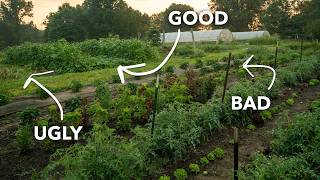
Farming in public means living inside a suburban fishbowl. A built in customer base of next door neighbors comes with constant public scrutiny. Having operations continuously on display means the farm must remain exceptionally tidy and organized at all times. Staff must also be prepared to constantly manage public interaction and education. Design your farm layout to accommodate continuous public foot traffic and maintain high visual standards to manage the fishbowl effect.
The most important lesson is that small scale farms can thrive by trading wholesale accounts for direct to consumer sales and leveraging developer funding. To protect your bottom line, secure your agricultural water rights before any residential construction begins.
Episode Overview
- Erich Schultz explains how his small-scale urban farm integrates directly into a large master-planned suburban community in Arizona, detailing the unique financial, operational, and community-driven dynamics of running an "agrihood."
- The conversation outlines the physical and logistical constraints of farming on small acreage surrounded by residential housing, including high municipal water costs and the infrastructure challenges of retrofitting agricultural operations late in the development cycle.
- Schultz explains his strategic decision to abandon low-margin wholesale markets in favor of direct-to-consumer retail, highlighting how an on-site diner, farm store, and local partnerships capture sustainable profit margins.
- The episode addresses the business relationship between developers and farmers, showing how agricultural spaces serve as highly effective, low-cost marketing amenities that replace traditional infrastructure like golf courses.
Key Concepts
- Agrihoods and Master-Planned Communities: This model integrates working agriculture directly into suburban residential developments, shifting land use from high-density residential structures to active green spaces that serve both aesthetic and functional community roles.
- The Infrastructure Retrofit Penalty: Introducing agricultural operations late in a suburban community's development cycle creates substantial utility challenges, such as forcing reliance on expensive municipal city water rather than dedicated, low-cost agricultural water rates.
- D2C Margin Capture Over High-Volume Wholesale: For small-scale, high-intensity operations, wholesaling yields unsustainable margins due to lack of scale. Shifting toward direct-to-consumer models (on-site farm stores, markets, and vertically integrated restaurants) allows small farms to capture retail margins and stabilize revenue.
- Resource Stewardship in Arid Environments: Operating in desert climates requires precise water utilization independent of political water-rights debates. Relying on municipal water demands strict reliance on drip irrigation, filtration systems, and meticulous leak detection to keep input costs sustainable.
- The Reciprocal "Full-Circle" Sourcing Economy: Integrating a restaurant with a farm creates unique community synergies where a farm shifts from purely selling raw produce to local businesses to also purchasing finished products from them (such as bread and craft beer) to serve at the on-site diner.
- Farms as Low-Cost Real Estate Amenities: Developers are increasingly building community farms instead of high-maintenance, capital-intensive amenities like golf courses or pools. Farms act as highly effective marketing tools that drive home sales while requiring a fraction of the developer's initial investment.
- The Community "Fishbowl" Trade-off: Farming in a suburban master-planned community provides built-in customers but subjects the farmer to a "fishbowl effect." Operations are continuously on display, requiring the farm to remain exceptionally tidy and the staff to constantly manage public interaction.
Quotes
- At 2:17 - "We're in the middle of a large kind of master-planned suburban community called Eastmark... our property is about two and three-quarters acres in total. The farm production makes up about one acre." - Outlining the physical constraints of high-value, small-acreage urban farming.
- At 5:43 - "The community was already in motion when they reached out to us... the property that we're on was originally set out to be like condos... so they made the adjustment and pitched the farm idea." - Highlighting how the agrihood model repurposes land designated for high-density housing into agricultural green space.
- At 6:16 - "It was definitely an afterthought, which created challenges from utilities and water and a lot of those kinds of things because they hadn't planned for it." - Illustrating the major logistical friction of retrofitting agricultural infrastructure into an existing residential footprint.
- At 7:28 - "The only option was city water. And so we're bringing in City of Mesa water, which is very expensive, to say the least... It's probably like 20x what agricultural water would cost us." - Explaining a massive financial constraint, showing why water efficiency is a critical survival metric for this desert farm.
- At 11:35 - "We just made the decision going into the season to cut all wholesale sales other than our own restaurant... just felt like the margins were too thin on the wholesale side." - Explaining a strategic shift away from B2B sales to protect profitability against inflation.
- At 14:59 - "It's really hard to compete with somebody with 100 acres of mixed vegetables... they just have some economies of scale over us that we can't compete with." - Identifying the core competitive pressure driving small farms away from wholesale markets and toward direct retail.
- At 21:51 - "We are in a desert, and I want to be wise with the resources we have. So we've just kind of always operated like, regardless of what's going on, let's just do our best to use as little as possible." - Explaining why growers must focus on baseline resource conservation regardless of political or scientific debates surrounding aquifer levels and water rights.
- At 44:42 - "Working with developers on these things... is a really great opportunity for the farmer because the developer is sinking some resources into building this out... And these farms are way less of an investment to the developer than other things, whether it's golf courses or swimming pools." - Demonstrating why developers view agricultural amenities as highly favorable, cost-effective options compared to traditional suburban infrastructure.
Takeaways
- Negotiate Infrastructure Early: If partnering with developers, secure agricultural-rate water rights and utility hookups before residential development begins to avoid paying up to 20 times more for municipal city water.
- Pivot Away From Wholesale: Small-acreage farms should abandon low-margin wholesale accounts and focus exclusively on direct-to-consumer sales channels like on-farm stores and integrated restaurants to capture retail margins.
- Match Operating Schedules to Seasonal Demand: Monitor seasonal profitability closely to adjust hours; for example, closing farm-adjacent hospitality venues during low-traffic, high-heat summer days preserves capital and concentrates customer volume on peak days.
- Leverage Developer Capital for Land Access: Aspiring growers can overcome high land prices by partnering with master-planned communities that are willing to pre-fund high-quality agricultural infrastructure in exchange for the aesthetic and community value of a working farm.
- Prepare for Public Visibility: To succeed in an agrihood, design the farm layout to accommodate continuous public foot traffic, maintain high visual and tidiness standards to manage the "fishbowl effect," and embrace a public education role.