The Future is Compost
Audio Brief
Show transcript
This episode covers ecological farming strategies, focusing on the integration of mushroom cultivation, the risks of treated seeds, and opportunities in commercial composting.
There are three key takeaways from this discussion. First, mushroom cultivation requires strict substrate safety to avoid toxic bioaccumulation. Second, spent potting mixes and treated seeds pose biological risks that require careful management or avoidance. Third, partnering with commercial composters offers farmers a cost-effective way to source high-quality soil amendments.
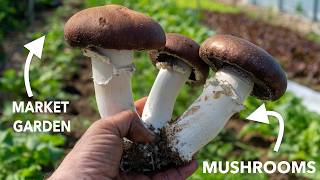
When integrating mushrooms like oyster varieties into market gardens, growers must carefully select their substrates. Fungi naturally absorb and concentrate toxic substances from their environment, meaning treated wood or poisonous tree species like yew and black walnut must be avoided. Simple sterilization methods, such as utilizing hydrated lime to raise water pH, can safely prepare clean straw or cardboard for cultivation.
Repurposing spent potting mix from hydroponic operations adds valuable soil tilth, but it requires thorough composting to eliminate pathogens and chemical residues. Similarly, chemical seed treatments often introduce persistent fungicides and pesticides that damage beneficial soil biology. Transitioning to diverse crop rotations and untreated seeds provides a more sustainable path to managing crop diseases.
Commercial composting facilities primarily generate revenue through waste tipping fees rather than the sale of finished compost. This business model opens the door for farmers to collaborate with local composters by finishing, screening, or mixing the material. This partnership allows growers to secure premium soil amendments without enduring the high startup costs of building their own composting infrastructure.
Ultimately, prioritizing ecological soil health and strategic local partnerships allows market gardens to thrive sustainably without relying on synthetic interventions.
Episode Overview
- This episode of "Growers Daily" covers a range of ecological farming topics, focusing on the potential of compost, the use of treated seeds, and feedback from the farming community.
- The host explores the benefits and challenges of integrating mushrooms into market gardens and the considerations for storing produce.
- The episode addresses the complexities of using spent potting mix and the implications of seed treatments on soil health.
- It highlights the opportunities in commercial composting and how farmers can collaborate with local composters to improve soil quality.
Key Concepts
- Mushroom Cultivation in Market Gardens: Integrating mushrooms, such as oyster mushrooms, into a market garden can be achieved using simple materials like five-gallon buckets and various substrates (straw, cardboard, yard waste). Sterilization of the substrate can be simplified using hydrated lime to raise the pH.
- Mycoremediation and Substrate Safety: Fungi have a strong ability to absorb and concentrate toxic substances from their environment. While some fungi can convert toxins into safer compounds, caution is advised when selecting wood logs or chips for cultivation, avoiding poisonous trees like yew, oleander, and black walnut, and never using treated wood.
- Spent Potting Mix in Compost: Spent potting mix from hydroponic growers can be a valuable addition to compost, adding tilth to the soil. However, it is low in nutrients and may contain pests, pathogens, or chemical residues (especially if sourced from cannabis farms), requiring careful composting or aging before use.
- The Impact of Seed Treatments: Seed coatings often contain broad-spectrum fungicides and pesticides that can persist in the soil and harm beneficial soil biology. While some treatments may offer short-term protection, a diverse crop rotation and good soil practices are more sustainable solutions for managing diseases.
- Opportunities in Commercial Composting: Commercial composting operations often generate revenue from tipping fees (managing organic waste) rather than selling the compost itself. Farmers can partner with composters to finish, screen, or mix compost, creating high-quality soil amendments while bypassing the high startup costs of a composting facility.
Quotes
- At 1:20 - "The easiest way I've found to sterilize your substrate for doing this is just to submerge it in an old barrel or garbage can filled with water and sterilized by high pH by using hydrated lime for 24 hours." - Explaining a simple and accessible method for sterilizing mushroom substrate.
- At 1:58 - "Fungi have a knack for absorbing toxic substances from their environments... in other cases, they can concentrate these toxic substances and deliver them to the consumer." - Highlighting the importance of substrate safety in mushroom cultivation due to mycoremediation properties.
- At 11:21 - "A chemical solution to treat a production problem keeps the production problem but adds a chemical solution. It doesn't make any sense. A diverse crop rotation with good soil practices would eliminate the need to look to chemical solutions like these." - Criticizing the reliance on treated seeds and advocating for ecological soil management.
Takeaways
- When cultivating mushrooms, carefully source wood chips and logs, ensuring they do not come from toxic tree species or treated wood to prevent the concentration of harmful substances in the fungi.
- If using spent potting mix from hydroponic or cannabis farms, mix it with compost, manure, or topsoil and ensure it is thoroughly composted or aged to mitigate the risk of pathogen transmission and nutrient deficiencies.
- Avoid using chemically treated seeds for cover crops whenever possible, as the pesticide and fungicide coatings can negatively impact soil biology and persist in the environment; opt for organic or untreated seeds instead.