Preparing for Winter Growing
Audio Brief
Show transcript
This episode covers the strategic realities, infrastructure requirements, and operational trade-offs of running a successful winter market gardening business.
There are three key takeaways for growers looking to transition into year-round production. First, winter farming is a game of preservation rather than active cultivation, requiring crops to reach maturity before the deep cold sets in. Second, reliable winter harvesting demands a layered infrastructure strategy using high-quality protective covers. Third, extending the season helps retain skilled year-round labor and maintain market presence, but it must be balanced against the physical toll on the farm team.
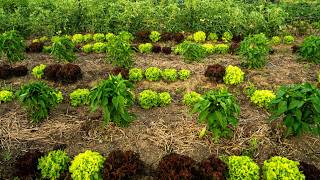
The fundamental shift in winter farming is transitioning from a growth mindset to a preservation mindset. Because plant growth virtually stops between November and February due to limited daylight and low temperatures, growers must target October first as a hard deadline to have all winter-harvest crops fully established in the ground. Low-profile crops like spinach and head lettuce are ideal for this system because they stay close to the relatively warm earth, whereas taller crops suffer more exposure to freezing winds.
To keep these mature crops alive and harvestable, successful operations rely on a spectrum of physical protection. High tunnels and caterpillar tunnels provide the primary defense against the elements, but they should be paired with inner row covers when outdoor temperatures are forecast to drop below twenty-five degrees. Growers should prioritize commercial-grade, UV-treated greenhouse plastic and metal hoops rather than cheap DIY alternatives, which frequently degrade and collapse under heavy winter snow and wind loads.
While fresh greens are highly valuable, they are rarely enough to sustain a winter market table alone, making storage crops like carrots, squash, and sweet potatoes essential companions. Beyond the agronomic challenges, maintaining winter operations serves as a vital tool for retaining skilled employees and preserving key wholesale accounts through the off-season. However, farmers must carefully weigh these consistent revenue streams against the personal need for rest and the logistical risks of weather-related market cancellations.
Ultimately, successful winter market gardening relies on hitting strict autumn planting windows, investing in professional-grade protection, and balancing financial goals with human limits.
Episode Overview
- This episode of Growers Daily covers the realities, challenges, and strategies of winter market gardening.
- Host Jesse Frost explores why winter farming is more about "holding" crops than actively growing them, and details the infrastructure required to succeed.
- Guest Dan Ganyan of Broadfork Farm shares practical lessons on balancing winter revenue, labor retention, and the unpredictable impact of winter weather on sales.
- This content is highly relevant for small-scale farmers, homesteaders, and market gardeners looking to extend their season or transition into year-round production.
Key Concepts
- Winter Holding vs. Winter Growing: The primary misconception about winter gardening is that crops actively grow. In cold climates, plant growth virtually stops between November and February. The real goal is to grow crops to maturity by October and use protective structures to keep them alive and harvestable throughout the winter.
- The Infrastructure Spectrum: Successful winter production relies on layers of protection. Simple cold frames work for backyard scales, while caterpillar tunnels (cat tunnels) offer affordable, semi-mobile season extension. High tunnels paired with inner row covers (R30 weight) provide the ultimate protection needed for professional-grade winter harvesting.
- The Role of Storage Crops: Fresh winter greens like spinach and lettuce are rarely enough to sustain a winter market table on their own. Successful winter growers use fresh greens to supplement storage crops (like sweet potatoes, winter squash, and carrots) harvested during the late summer and fall.
- Human Factors in Winter Farming: Winter farming is not just a technical challenge; it is a human one. Staying open in winter helps retain skilled, year-round labor and maintains consistent wholesale relationships, but it must be balanced against the physical toll on the farmers and the risk of weather-related market cancellations.
Quotes
- At 5:47 - "It's not as much about actively growing food as much as it is about getting crops up to a certain size... and then keeping them alive through the cold. In other words, it's less winter growing and more winter keeping stuff alive." - Explaining the fundamental shift in mindset required for winter gardening.
- At 7:51 - "Shorter stuff tends to stay more protected because it's closer to the big, warm earth, whereas the tall stuff gets a lot more exposure to the cold." - Explaining why low-profile crops like spinach and head lettuce survive winter freezes better than tall crops like kale.
- At 11:21 - "I think there is hardly a better investment than covered space that you can walk around in, such as a caterpillar tunnel... or a high tunnel." - Highlighting the immense value of walk-in infrastructure for both crop protection and farmer quality of life during winter harvests.
- At 17:21 - "We are trying to balance a continued source of revenue... keeping employees that you really, really like employed... while also the considerations of how complicated do you want it, and how much of a break do you want and need." - Dan Ganyan outlining the complex personal and financial trade-offs of winter farming.
Takeaways
- Target October 1st as your hard deadline to have all winter-harvest crops fully established in the ground, as minimal growth will occur after this date.
- Use a double-protection strategy by draping lightweight row covers over crops inside your high tunnel or caterpillar tunnel when outdoor temperatures are forecast to drop below 25°F (-4°C).
- Prioritize buying commercial-grade, UV-treated greenhouse plastic and metal hoops from trusted grower suppliers rather than attempting to DIY structures with cheap, non-UV-treated PVC, which degrades rapidly and collapses under wind or snow loads.