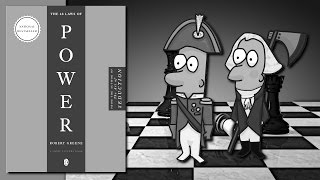
The 48 Laws of Power (Animated) MUST WATCH!

Audio Brief
Show transcript
This episode delves into Robert Greene's "The 48 Laws of Power," systematically exploring timeless principles of influence and strategic advantage through historical anecdotes.
There are four key takeaways from this discussion. First, mastering perception management is crucial for navigating hierarchies. Second, emotional detachment serves as a potent strategic tool. Third, leveraging the work and wisdom of others can amplify your own achievements. Fourth, long-term planning combined with tactical flexibility is essential for sustained power.
Effective perception management means ensuring your superiors feel secure, never outshining the master. It also involves presenting your own difficult accomplishments as effortless, inspiring awe rather than insecurity. How you are perceived often carries more weight than the reality of your efforts.
Emotional detachment is a powerful strategic asset. Maintain calmness and objectivity in all situations, particularly when provoking emotional responses in your rivals. This detachment allows you to avoid anger-driven mistakes, putting your opponents at a distinct disadvantage.
Power is significantly amplified by leveraging the talents, work, and knowledge of other people. This strategy conserves your energy and achieves greater results. Critically, you must skillfully secure the credit for these leveraged efforts to consolidate your own influence.
Success demands meticulous long-term strategic depth, planning all the way to the end and anticipating potential outcomes. However, rigidity is a weakness; maintaining tactical flexibility and adaptability allows you to respond effectively to changing circumstances.
These principles highlight the enduring nature of strategic power dynamics in human interaction, offering insights for acquiring and maintaining influence.
Episode Overview
- The podcast provides a comprehensive exploration of Robert Greene's "The 48 Laws of Power," systematically breaking down numerous laws using historical anecdotes and animated illustrations.
- Key themes include the importance of managing perceptions, the strategic use of psychology, and leveraging the work and weaknesses of others to gain an advantage.
- The conversation emphasizes long-term planning, emotional control, and social intelligence as critical components for acquiring and maintaining power.
- It contrasts successful and unsuccessful historical figures—such as Galileo vs. Fouquet and Edison vs. Tesla—to highlight the practical application of these timeless principles.
Key Concepts
- Managing Superiors and Perceptions: A core principle is to make those in power feel superior ("Never Outshine the Master") and to conceal your own efforts to make accomplishments seem effortless ("Sprezzatura"). How you are perceived is often more important than the reality.
- Strategic Use of Others: Power is amplified by leveraging the talents, work, and knowledge of other people. This includes getting others to do the work for you while you take the credit, and building upon the achievements of predecessors.
- Emotional Control and Detachment: Maintaining calmness and objectivity while provoking emotion in your enemies is a decided advantage. It is crucial to avoid making decisions based on anger and to remain uncommitted to any single side to retain control and options.
- The Dangers of Isolation and Predictability: Building fortresses and isolating oneself is dangerous as it cuts you off from vital information and makes you an easy target. It is better to circulate among people. Similarly, being predictable makes you vulnerable.
- Long-Term Planning and Boldness: Success requires planning all the way to the end, considering all potential outcomes. When it is time to act, hesitation is dangerous; bold and audacious actions command respect and mask deficiencies.
- Understanding Human Nature: A deep understanding of psychology is essential. This includes identifying people's individual weaknesses ("thumbscrews"), playing to their fantasies, and recognizing dangerous personality types to avoid offending.
- Adaptability and Formlessness: Rigidity is a weakness. The most powerful individuals and groups are adaptable and fluid, like water, able to change their form to suit the circumstances.
Quotes
- At 0:12 - "Always make those above you feel comfortably superior." - This quote explains the fundamental principle behind Law #1.
- At 79:40 - "Isolation exposes you to more dangers than it protects you from." - This is the central tenet of Law 18, arguing that building fortresses and cutting yourself off from others makes you more vulnerable, not less.
- At 130:31 - "The ending is everything. Plan all the way to it, taking into account all the possible consequences, obstacles, and twists of fortune that might reverse your hard work and give the glory to others." - This explains the necessity of comprehensive, long-term planning to secure desired outcomes.
- At 171:28 - "Anger and emotion are strategically counterproductive. You must always stay calm and objective. But if you can make your enemies angry while staying calm yourself you gain a decided advantage." - Explaining the core principle of Law 39.
- At 175:00 - "What is offered for free is dangerous; it usually involves either a trick or a hidden obligation." - This quote summarizes the core tenet of Law 40, advising caution with "free" offers.
Takeaways
- Master the art of perception management; ensure your superiors feel secure and make your own difficult achievements appear effortless to inspire awe rather than insecurity.
- Emotional detachment is a strategic tool; remain calm and objective in all situations, especially while provoking emotional responses in your rivals to put them at a disadvantage.
- Leverage the work and wisdom of others as a primary strategy for conserving energy and achieving greater results, but always secure the credit for yourself.
- Think with long-term strategic depth by planning to the end, but maintain tactical flexibility and adaptability to respond to changing circumstances.
![The 48 Laws of Power [In-Depth Animation] #history #facts](https://img.youtube.com/vi/mYOq5Y9qqqs/mqdefault.jpg)