So the Weeds Got Away from You This Year…
Audio Brief
Show transcript
This episode covers practical strategies for ecological farming, focusing on garlic planting, soil remediation, and sweet potato harvest timing to maximize farm resilience.
There are three key takeaways from this discussion. First, garlic planting timing should prioritize root development over above ground growth. Second, soil bioremediation requires professional testing and careful disposal of bioaccumulating plants. Third, harvesting sweet potatoes based on size and curing damaged tubers can salvage significant crop value.
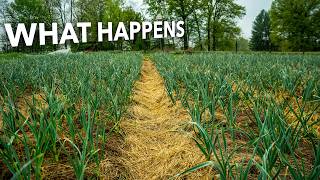
When planting garlic in the fall, aiming for little to no above ground growth before winter is ideal. Excessive green growth wastes the plant's energy because the foliage will ultimately get damaged by winter frost. Planting later in the season allows roots to develop securely underground, which supports a healthier and more successful spring harvest.
For soil remediation, certain plants like sunflowers can absorb and concentrate heavy metals such as lead from the soil. However, growers must consult with experts and handle these plants with care because the toxins remain concentrated in the plant tissue. Before initiating any phytoremediation, always conduct a professional soil test to fully understand the contamination.
Harvesting sweet potatoes before the first hard frost is critical for maintaining optimal size and preventing oversized crops. Minor rodent damage does not mean the harvest is lost, as properly curing these sweet potatoes heals the wounds and makes them usable for personal consumption or next season's propagation. Additionally, late season weed management can be optimized by mowing close to the ground and leaving silage tarps in place until spring.
Adopting these adaptive techniques helps ecological farmers build healthier soils and secure more resilient crop yields.
Episode Overview
- This episode of Growers Daily features Farmer Jesse addressing viewer feedback and questions about garlic planting, cover crops, soil remediation, and sweet potato harvesting.
- The discussion highlights the practical and adaptive nature of ecological farming, emphasizing that perfection is not the goal, but rather continuous experimentation and learning are.
- Viewers will learn about managing weeds after a crop harvest, identifying pest damage versus disease in sweet potatoes, and using cover crops for soil health and pest management.
Key Concepts
- Garlic Growth and Planting Timing: While some above-ground growth before winter is acceptable, excessive growth can waste the plant's energy, which will then be lost when the frost hits. Planting later in the fall can result in zero above-ground growth before winter but still yield successful harvests, as the roots continue to develop underground.
- Bioremediation with Plants: Certain plants, like sunflowers, have the ability to absorb heavy metals like lead from the soil (bioaccumulation). While this can help clean the soil, it requires careful handling and disposal of the plants, as the contaminants remain concentrated within the plant tissue.
- Nematode Management with Cover Crops: Specific cover crops like marigolds, sunn hemp, and mustard can help suppress root-knot nematodes. However, the effectiveness depends on the nematode's life cycle and the specific plant variety, as some plants may host the pests without allowing them to reproduce.
- Sweet Potato Harvest and Quality: Harvesting sweet potatoes before a hard frost is crucial for maintaining the desired size and quality. While pest damage from rodents (like voles) can affect marketability, slightly damaged potatoes can still be used for food or saved as "slip" potatoes for propagating next year's crop.
Quotes
- At 1:48 - "Little to no above-ground growth is totally fine... you don't want the garlic putting all that energy into growing a plant that will ultimately just get hammered over the winter." - Explains the physiological reasoning behind garlic planting depth and timing.
- At 3:40 - "Consult with someone before doing this because the plants will absorb the lead and other heavy metals and concentrate them in the plant itself, so handling and disposing must be done with care." - Highlights the safety precautions necessary when using bioaccumulating plants for soil remediation.
- At 8:52 - "The reason I'm harvesting them now... is this is the size I really want... What I don't want is rugby balls, which is what you get when you wait until mid-October." - Clarifies the impact of harvest timing on sweet potato size and usability.
- At 12:20 - "The tarps start to lose their efficacy once the summer is done and the days begin to shorten." - Explains the seasonal limitations of using silage tarps for weed suppression.
Takeaways
- When managing a heavily weeded area after a harvest, mow the weeds close to the ground and cover the area with a silage tarp. If it is too late in the season for the tarp to be fully effective, leave it on until spring, then clear it and plant a quick-growing cover crop.
- If sweet potatoes show signs of rodent chew marks but are otherwise healthy, do not discard them. Cure them normally; the wounds will heal, and they can be consumed at home or saved to produce slips for the next planting season.
- Before planting crops in an area with suspected soil contamination (such as an old burn pit), always conduct a professional soil test and consult with experts on proper remediation steps rather than relying solely on phytoremediation.