Mark Newton: New Highs by Spring?
Audio Brief
Show transcript
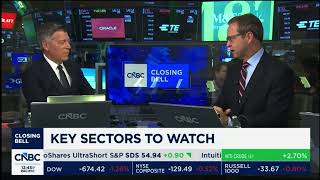
In this conversation, technical strategist Mark Newton analyzes the S and P 500's potential return to record highs driven by strong sector rotation. There are three key takeaways. First, defensive sectors are offsetting technology consolidations. Second, seasonal choppiness is expected through November. Third, volatility spikes remain dependent on unexpected macroeconomic shocks.
Recent market resilience highlights how strength in financials and healthcare has buoyed the broader index during the technology correction. Investors should prepare for historical autumn volatility, which will likely be driven by long-term interest rates and Treasury operations. Finally, because current market movements remain orderly, a significant surge in the volatility index would require an entirely unforeseen catalyst.
Ultimately, robust market breadth suggests the underlying bull market remains healthy despite near-term seasonal headwinds.
Episode Overview
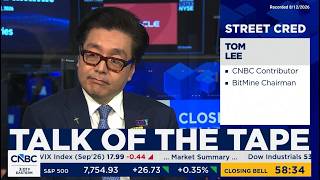
- This episode features Mark Newton, Global Head of Technical Strategy at Fundstrat, discussing the technical chart indicators pointing toward the S&P 500 returning to record highs.
- It highlights how sector rotation—specifically strength in financials, healthcare, and energy—has buoyed the broader market during a recent correction in the technology sector.
- The discussion provides critical context on investor sentiment, the behavior of the VIX, and upcoming macroeconomic catalysts, such as long-term interest rates and Treasury operations.
- This content is highly relevant to investors looking to understand current market breadth, technical trends, and potential risks heading into the fall season.
Key Concepts
- Market Breadth as a Cushion: While the technology sector underwent a three-month consolidation and correction, other major sectors like financials and healthcare rallied to prevent a major S&P 500 decline, demonstrating that the market's underlying health is broader than just a few tech giants.
- The Role of Unexpected Catalysts on Volatility: The VIX (volatility index) remains low because market movements and bad news have been relatively orderly; a significant volatility spike typically requires an entirely unexpected macroeconomic shock.
- Seasonal Choppiness and Interest Rates: The period from mid-September to November is historically choppy, closely tied to the direction of long-term interest rates and the market's response to upcoming Treasury operations.
Quotes
- At 0:28 - "The move from Nvidia and their announcement was certainly a game-changer, I think, for the AI trade and for tech." - Explaining how dominant individual stock earnings can revive momentum across entire sectors.
- At 2:16 - "The fact that technology had a big correction and these groups helped to sort of buoy the market... the market didn't decline, it just went sideways." - Illustrating how strong sector rotation underpins a healthy bull market.
- At 3:22 - "You need something unexpected normally for the VIX to have a big dramatic spike that will start to trend." - Clarifying a common misconception about what actually drives persistent market volatility.
Takeaways
- Monitor sector rotation into healthcare and financials as defensive indicators when mega-cap technology stocks experience consolidation phases.
- Prepare for potential seasonal market choppiness between mid-September and November by monitoring long-term interest rate trends.
- Keep a close eye on key upcoming macroeconomic dates, such as major Treasury operations, which can signal shifts in market liquidity and risk premiums.