Low Key Farm Tools that Work Hard in the Market Garden
Audio Brief
Show transcript
This episode covers the highly effective yet often overlooked tools and ecological strategies that drive efficiency in a successful market garden setting.
There are three key takeaways from this discussion. First, streamlining everyday carry items like pocket knives and compact sharpening hones maximizes daily efficiency. Second, utilizing simple, multi-functional gear like foldable card tables provides flexible, low-cost workspaces. Third, integrating natural allies through bird and bat houses offers highly effective, chemical-free pest control.
Optimizing daily efficiency starts in the pocket, where a reliable knife or multitool serves as the ultimate farm asset. Rather than carrying heavy tool belts, keeping a small sharpening hone on hand ensures harvest knives remain sharp throughout the workday. This simple practice prevents delays and ensures clean cuts that preserve crop quality.
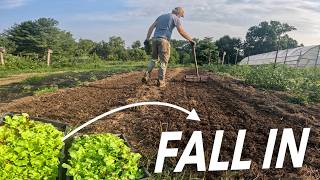
Beyond standard agricultural equipment, everyday household items can drastically improve operational workflow. Foldable card tables provide temporary, lightweight stations for seeding, transplanting, and hardening off plants exactly where they are needed. Similarly, a lightweight tine weeding rake allows farmers to clear beds efficiently without disturbing compost or soil structure.
Integrating nature directly into farm infrastructure represents a highly effective and sustainable pest management strategy. Installing bat houses at least fifteen feet high on poles or buildings attracts native bat populations, which consume thousands of nocturnal pests like cucumber beetles and moths every hour. This biological approach reduces reliance on chemical interventions while supporting local conservation efforts.
By focusing on these low-tech tools and ecological partnerships, growers can significantly boost both productivity and farm resilience.
Episode Overview
- Focus on Low-Key, Highly Effective Farm Tools: This episode highlights underrated and often overlooked tools that play crucial roles in a market garden setting.
- The Value of Pocket-Sized Tools: Jesse explores the importance of everyday carry items like pocket knives, multitools, and cell phones, explaining how they save time and increase efficiency.
- Under-the-Radar Large Tools: The discussion shifts to larger, non-traditional "tools" such as card tables, birdhouses, and spade shovels, highlighting their versatile utility on the farm.
- Ecological Benefits of Bats: A segment dedicated to bats highlights their immense value to farmers through pollination and natural pest control, while also addressing their current conservation challenges.
Key Concepts
- The Multifunctional Farm Tool: Tools do not need to be high-tech or expensive to be invaluable. Simple, everyday items like a basic card table or a spade shovel can serve multiple purposes on a farm, from seed starting to harvesting.
- The Pocket Knife as an Essential Everyday Carry (EDC): A reliable blade or multitool is crucial for quick fixes, harvesting on the fly, and maintaining other tools. Keeping a sharpener or hone close by ensures these tools remain effective throughout the day.
- Integrating Nature as a Functional Tool: Inviting wildlife like birds and bats onto the farm by providing housing (birdhouses and bat houses) acts as a highly effective, low-maintenance pest control strategy, reducing the reliance on chemical interventions.
- The Ecological Significance of Bats in Agriculture: Bats are vital ecological allies, contributing to the pollination of over 300 plant species and consuming thousands of agricultural pests (like cucumber beetles and corn earworms) every hour.
Quotes
- At 2:29 - "For a while, I tried carrying a fanny pack... but the challenge was, I hated wearing it... I realized pretty quickly that I use about three, maybe four tools out of it a day." - Highlighting the transition from carrying excessive gear to relying on a few highly efficient pocket-sized tools.
- At 8:26 - "Can't emphasize enough how important that particular tool [the tine weeding rake] is to our work. It's lightweight, and it rakes a bed clean without a ton of disturbance... and it can remove dead plant material without removing as much compost or mulch." - Explaining the practical benefits of using a tine rake for bed preparation and crop residue management.
- At 14:44 - "In general, the reward of having robust bat populations greatly outweighs the risk of losing them or any of the potential diseases they may bring." - Advocating for the integration of bat habitats on farms despite common misconceptions about disease risks.
Takeaways
- Carry a Compact Sharpening Hone: Keep a small hone in your pocket to maintain the edge of your harvest knives and pocket knives on the go, ensuring clean cuts and efficient work.
- Use Card Tables for Flexible Workspace: Utilize lightweight, foldable card tables to set up temporary seeding, transplanting, or hardening-off stations wherever needed on the farm.
- Install Bat Houses to Boost Natural Pest Control: Mount bat houses at least 15 feet high on buildings or poles (rather than trees) to attract bats, which will help control nocturnal pests like cucumber beetles and moths.