High Tunnels in Wind and Tornado Prone Areas + Come Plant with Me
Audio Brief
Show transcript
This episode covers practical strategies for overcoming unpredictable farming challenges, protecting infrastructure from extreme weather, and optimizing crop planting efficiency.
There are three key takeaways from this discussion. First, protecting structures from high winds and hail requires proactive infrastructure design like double-layer polyethylene and strategic windbreaks. Second, transitioning beds efficiently relies on precise preparation and two-handed transplanting techniques to maximize productivity. Third, successful farming demands high adaptability to manage daily disruptions like equipment failures and pest issues.
To safeguard high tunnels against destructive winds and hail, growers should orient structures with the narrow end facing prevailing winds and implement a double layer of greenhouse plastic. Inflating the air pocket between these two layers creates a cushion that absorbs the impact of hailstones. Additionally, planting evergreen windbreaks on the windward side of the farm significantly reduces wind speeds without concentrating the air currents.
Streamlining the transition between crops involves precise bed preparation and ergonomic planting mechanics. When moving from crops like garlic to lettuce, clearing mulch, adding targeted amendments, and using a grid marker establishes an organized layout. Growers can double their efficiency and reduce physical strain by working across two beds simultaneously and transplanting with both hands.
Unpredictable disruptions are an inherent part of daily agricultural operations. Minor tasks can easily expand into multi-hour projects due to sudden equipment failures or unexpected pest infestations. Maintaining a patient, adaptive mindset and planning farm layouts for regional weather extremes are essential for long-term resilience.
By implementing proactive structural protections and refining daily physical techniques, growers can build highly resilient and efficient market gardens.
Episode Overview
- This episode of Growers Daily covers the realities of farming challenges, from equipment failures to insect infestations, highlighting that agricultural work often requires adaptability and patience.
- Jesse discusses a viewer's question about managing farms and protecting crops in regions prone to severe weather like high winds, tornadoes, and hail.
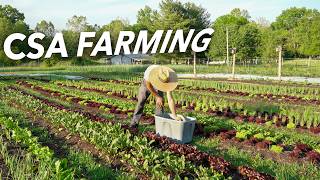
- The episode features a step-by-step demonstration of prepping a bed and planting lettuce, illustrating a transition from garlic harvesting to lettuce planting.
- This content is highly relevant to market gardeners, small-scale farmers, and ecological growers looking for practical tips on crop protection, farm management, and efficient planting techniques.
Key Concepts
- Farming Realities and Adaptability: Farming tasks rarely go exactly as planned. Equipment failures (like running out of fuel or getting a mower stuck) and unexpected natural elements (like ant infestations) can turn a simple one-hour task into a half-day project, requiring farmers to maintain a patient and adaptive mindset.
- Wind Protection for High Tunnels: High winds are one of the most destructive forces on a farm. Protecting structures like high tunnels or caterpillar tunnels requires robust wind bracing, proper orientation (facing the narrow end toward prevailing winds), and strategic farm placement in sheltered areas or behind windbreaks.
- Microclimate and Windbreak Design: Planting evergreen windbreaks on the sides of the farm facing prevailing winds can significantly reduce wind speeds and protect infrastructure. Proper design is crucial to ensure windbreaks slow the wind rather than concentrate it.
- Double-Layer Polyethylene for Hail Protection: Utilizing a double layer of plastic film (polyethylene) with an inflated air pocket on high tunnels acts as a cushion, helping to absorb the impact of hail and reduce the risk of structural damage.
- Efficient Bed Preparation and Multi-Row Planting: When transitioning a bed from one crop to another (e.g., garlic to lettuce), clearing mulch, adding targeted amendments (like alfalfa meal), and using a grid marker to establish precise rows allows for rapid, organized transplanting. Planting two beds simultaneously and using both hands to transplant can double efficiency and reduce physical strain.
Quotes
- At 1:34 - "That is just how farming goes. Any task on your list can wind up taking half the day or multiple days, but you know what, I still enjoy it, even when I'm cussing at it." - Highlighting the necessary resilience and passion required to handle the unpredictable challenges of daily farm work.
- At 10:28 - "Set your farm up for the most common extreme potential weather in your area." - Stressing the importance of proactive, region-specific planning when designing farm layouts and infrastructure.
- At 18:28 - "As much as I can, I try to use both hands because that is going to take it down by about half the amount of things that you have to do." - Explaining a simple physical technique that significantly increases transplanting efficiency on a small scale.
Takeaways
- Implement Double-Poly on High Tunnels: If you operate in a hail-prone region, install a double layer of greenhouse plastic with an inflation fan to create a protective air barrier that cushions the impact of hailstones.
- Plan and Plant Strategic Windbreaks: Analyze the prevailing wind directions on your property and plant evergreen trees or shrubs to create natural wind barriers, ensuring you research proper spacing to avoid creating wind tunnels.
- Optimize Transplanting Mechanics: Practice two-handed transplanting and work across adjacent beds simultaneously to minimize reaching, reduce body fatigue, and significantly speed up the planting process.