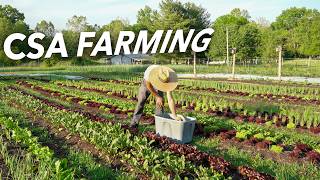
Total Melon Breakdown + Which Crops Make the Most Sense in a Tunnel
Audio Brief
Show transcript
This episode covers the strategic cultivation of specialty melons and the economic optimization of unheated high tunnel crop production.
There are three key takeaways. First, specialty melons offer higher profitability per square foot and superior vertical trellising compatibility compared to traditional watermelons. Second, high tunnel space is highly valuable and must be strictly reserved for intensive, high-value crops that benefit from season extension. Third, maximizing melon yields requires careful root management during transplanting and protective mulching to prevent fruit rot.
Specialty melons like cantaloupes and honeydews yield significantly more units within the same footprint than watermelons, driving higher market returns. Their physical characteristics allow them to be grown vertically on trellises, which optimizes greenhouse space and simplifies disease management. Furthermore, understanding specific harvest cues, such as the aromatic profile and natural vine slippage of netted melons, is essential for delivering peak quality to buyers.
High tunnels provide critical weather protection and allow growers to capture early-season market premiums. However, because this real estate is expensive to build and maintain, farmers must prioritize high-value, fast-maturing crops like early tomatoes, cucumbers, and specialty greens. Space-hogging, slow-growing crops such as sweet corn, potatoes, and sweet potatoes should remain in the open field where space is less costly.
Success in melon production also hinges on precision agronomics, starting with the transplanting phase. Melons possess highly sensitive root systems that require soil blocks or specialized trays, and they must be transplanted within three to four weeks to avoid becoming root-bound. Once in the ground, placing straw or organic mulch beneath the developing fruit prevents soil contact, protecting the melons from rot and surface blemishes.
By aligning crop selection with structural economics and implementing precise transplanting and mulching techniques, commercial growers can dramatically improve both their crop quality and overall farm profitability.
Episode Overview
- Focus on Specialty Melons: This episode dives into the differences between watermelons and other melons (specifically cantaloupe and honeydew), focusing on crop production and variety selection.
- High Tunnel Crop Decisions: The episode breaks down the logic of what crops to grow in unheated high tunnels versus the open field, focusing on space, season extension, and profitability.
- Season Updates & Practical Farmer Tips: Jesse covers current summer farm updates, managing summer madness, and addresses a listener question about high tunnel crop optimization.
Key Concepts
- Distinction Between Melon Types: While watermelons are often grouped with all melons, cantaloupes, honeydews, and specialty melons (like Charentais) have different harvest cues, storage requirements, and trellis compatibility. Melons are generally more profitable per square foot than watermelons because they yield more units in the same footprint.
- The Financial Logic of High Tunnels: High tunnels (or hoop houses) provide season extension, weather protection, and improved crop aesthetics. However, their space is highly valuable. High-value, intensive, or trellis-friendly crops (like tomatoes, cucumbers, and greens) make the most sense for tunnels, while slow, space-hogging crops (like sweet corn and potatoes) should be kept in the field.
- Disease Management in Melons: Different climates trigger different melon pathogens. Dry areas are more prone to powdery mildew, while wet climates encourage downy mildew. Choosing disease-resistant varieties is a key preventative strategy for organic growers.
- Harvest and Storage Nuances: Unlike watermelons, many specialty melons change color, emit a strong aroma at the stem, or naturally "slip" (detach easily) from the vine when ripe. Additionally, netted melons store well in standard cold storage, while smooth-skinned types like honeydew prefer slightly warmer cellar temperatures.
Quotes
- At 1:54 - "Melons can be more easily grown on a trellis... also they have different things to look for when you are ready to harvest them." - Explaining the structural and operational differences between watermelons and cantaloupes.
- At 7:48 - "If you're going to a farmers market... there is a huge financial incentive to be the first grower to market with tomatoes, peppers, eggplant... and then a huge financial incentive to keep those same crops growing into the fall." - Explaining how season extension directly drives profitability for market farmers using high tunnels.
- At 12:56 - "Nothing loves compost more than a cucurbit." - Highlighting the high fertility needs of melons and the importance of organic matter for a successful harvest.
Takeaways
- Match High Tunnel Crops to Economic Value: Reserve limited tunnel space for crops that benefit from trellising, show significant aesthetic improvement under plastic, or allow you to beat the outdoor season (e.g., early tomatoes, cucumbers, and winter salad greens). Avoid planting field crops like corn, potatoes, or sweet potatoes in the tunnel.
- Protect Melon Roots During Transplanting: Melons, like all cucurbits, have highly sensitive root systems. Start them in soil blocks or specialized trays (like windstrip trays), and transplant them within 3–4 weeks before they become root-bound.
- Use Mulch to Prevent Melon Rot: When growing melons on the ground, place straw or organic mulch under the developing fruit to prevent direct soil contact, which causes rot and blemishes.