Growing Food is Easy. Keeping it Easy is Hard
Audio Brief
Show transcript
Farmer Jesse believes that standard agricultural zones might actually be completely worthless for planning your crops. On his podcast, Jesse shares community feedback on everything from biochar to artificial intelligence. By the end of this audio, you will learn how to simplify your farm management, master a manual greens washing workflow, and look beyond basic weather zones to analyze local latitude, light intensity, and frost-free days.
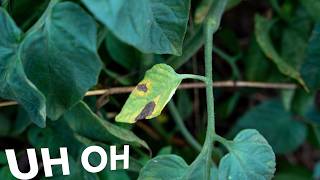
Complex farm problems usually have incredibly simple solutions. Jesse argues that most crop pests and diseases do not come from a lack of specialized inputs. Instead, they stem from basic environmental imbalances like poor timing, soil compaction, bad watering, nitrogen imbalances, or restricted airflow. In fact, Jesse notes that growing food is not that complicated, and the real challenge is avoiding the distraction of overly complicated solutions. Evaluate and fix your fundamental growing conditions, like soil compaction and watering, before you spend money on specialized foliar sprays or microbial inoculants.
Your local agricultural zone is kind of worthless in a way. This happens because USDA hardiness zones only measure average minimum winter temperatures, ignoring critical factors like latitude, light intensity, and the total duration of cold exposure. For example, Jesse points out that while tomatoes are native to tropical regions, the heavy rain and humidity can actually make the tropics one of the hardest places to grow them from start to finish. When you compare your growing conditions with other farms, look beyond the USDA hardiness zone to analyze local latitude, light intensity, and frost free days.
Washing your harvested lettuce can actually make it less safe to eat. Introducing water to freshly harvested greens increases the risk of human pathogen contamination. Field debris and pests often necessitate a thorough wash process.
Generative artificial intelligence is quietly draining the revenue of original creators. Instead, generative AI functions by absorbing copyrighted materials from creators without their permission. It then repackages this data and charges users for it, which systematically drains the revenue of original content creators.
Small scale farms can successfully manage pest and organic contamination using a simple manual setup. The process starts by harvesting in the cool morning and doing a pre inspection for debris. Then, you use a two sink dunking system to clean the crop. Implement a two sink wash system where greens are dunked in a primary tank, hand transferred inspectively to a secondary tank, and spun dry immediately to maximize quality and shelf life.
To run a successful farm, focus on basic environmental conditions like soil and watering before buying expensive inputs. As you plan your next season, remember one thing. Growing food is just not that complicated, what is complicated is not getting distracted by overly complicated solutions.
Episode Overview
- Host Farmer Jesse reviews weekly community feedback on biochar, agricultural zones, and AI in farming, before detailing his manual lettuce-washing process and advocating for simplified agricultural problem-solving.
- The episode addresses the limitations of standard USDA hardiness zones, which fail to capture critical factors like day length, latitude, and the duration of cold temperatures.
- A step-by-step breakdown of harvesting, inspecting, double-dunking, and spinning greens illustrates how small-scale farms manage pest and organic matter contamination without heavy machinery.
- Jesse argues that the vast majority of crop pest and disease problems stem from basic environmental imbalances rather than a lack of specialized inputs.
Key Concepts
- The foundations of pest and disease management: Most crop issues are caused by poor timing, poor soil preparation, improper watering, nitrogen imbalances, or restricted airflow. Solving these foundational basics eliminates the need for complex inputs.
- The inadequacy of USDA hardiness zones: Hardiness zones only measure average minimum winter temperatures, ignoring latitude, light intensity, and the total duration of cold exposure, which drastically changes the actual length of the growing season.
- The paradox of washing greens: Introducing water to harvested lettuce actually increases the risk of human pathogen contamination. While dry, unwashed lettuce is technically safer from a food-safety standpoint, field debris and pests often necessitate a thorough wash process.
- The intellectual property threat of generative AI: Generative AI functions by absorbing copyrighted materials from creators without permission, repackaging the data, and charging users for it, which systematically drains the revenue of original content creators.
- Manual cleaning workflow for greens: Successful hand-processing requires harvesting in the cool morning, pre-inspecting for debris, utilizing a two-sink dunking method, and quickly spinning the greens dry to preserve quality and shelf life.
Quotes
- At 1:51 - "Considered tomatoes are native to tropical and subtropical regions, the tropics can often be one of the hardest places to grow them from start to finish." - highlighting the counterintuitive challenge of growing tropical crops in humid, rain-heavy tropical climates.
- At 8:24 - "And yeah, this is what makes ag zones kind of worthless in a way. They are really not a great descriptor of a climate." - explaining why minimum winter temperatures alone are insufficient for planning planting schedules.
- At 18:01 - "Growing food is just not that complicated. What's complicated is not getting distracted by overly complicated solutions." - reinforcing the philosophy of prioritizing foundational agricultural basics over expensive, niche inputs.
Takeaways
- Evaluate and fix fundamental growing conditions (such as soil compaction, water source quality, and planting timing) before investing money in specialized foliar sprays or microbial inoculants.
- Implement a two-sink wash system where greens are dunked in a primary tank, hand-transferred inspectively to a secondary tank, and spun dry immediately to maximize quality.
- When comparing growing conditions with other farms, look beyond the USDA hardiness zone to analyze local latitude, light intensity, and frost-free days.