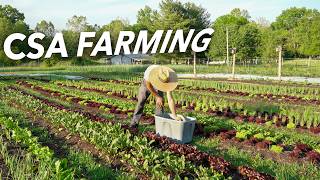
Farming Without Water
Audio Brief
Show transcript
This episode covers the core principles and practical applications of dry farming, a sustainable agricultural method that allows growers to produce high-yielding crops without reliance on active irrigation systems.
There are three key takeaways for growers looking to maximize soil moisture retention. First, shallow tillage creates an organic earth mulch that prevents evaporation. Second, integrating fallow years with cover crops improves soil structure and water-holding capacity. Third, increasing plant spacing reduces competition and allows roots to access larger natural water reserves.
Minimizing tillage to a depth of only two to three inches preserves the underlying soil structure created by cover crop roots. This shallow cultivation breaks the soil crust after rainfall, disrupting the capillary action that draws moisture to the surface where it would otherwise evaporate. The resulting loose, residue-rich top layer acts as a natural earth mulch that seals moisture into the deeper root zones.
Preceding vegetable crops with a planned fallow year allows farmers to cycle through cover crops and bare fallow periods. This rotation dramatically reduces weed pressure while building crucial organic matter that acts like a sponge in the soil. Over time, enhanced organic matter significantly improves the soil's inherent water-holding capacity, making the entire ecosystem more resilient to drought.
Maximizing the physical space between crop plants ensures that each root system has exclusive access to a larger volume of soil moisture. Growers can also utilize strip-cropping systems, planting tall cover crops like rye adjacent to vegetable rows. Once mown and raked onto the cash crops, these cover crops provide a thick, protective straw mulch without the need to import external materials.
By focusing on soil structure and strategic crop spacing, growers can transition toward low-input, highly resilient agricultural systems that thrive on natural rainfall alone.
Episode Overview
- This episode of Growers Daily explores the principles and practical applications of dry farming, a method of growing crops without irrigation.
- The host, Farmer Jesse, shares his own experiences with dry farming in Kentucky's wet, clay-heavy climate and interviews veteran organic farmer Eric Nordell about his methods.
- The episode addresses the challenges of dry farming in arid climates like Southern California and offers strategies for maximizing soil moisture retention.
- Listeners will gain a deeper understanding of how soil management, cover cropping, and planting techniques can reduce or eliminate the need for irrigation.
Key Concepts
- Dry Farming Definitions: Dry farming refers to growing crops without irrigation, or with irrigation only during the initial establishment phase. It relies on natural rainfall and soil moisture management to sustain crops through the growing season.
- The Fallow Year and Cover Crops: Eric Nordell explains that his dry farming system begins with a fallow year preceding each vegetable crop. During this year, a cycle of cover crops and bare fallow periods is used to reduce weed seeds and condition the soil.
- Soil Structure and Capillary Action: Maintaining good soil structure is crucial for dry farming because it facilitates the upward and downward movement of moisture in the soil profile. This allows plant roots to easily access deeper, wetter soil layers.
- Organic Earth Mulch: Nordell advocates for "organic surface tillage," which incorporates organic matter into only the top two to three inches of soil. This creates a loose, residue-rich surface layer (an "earth mulch") that absorbs rainfall and breaks the capillary action that causes soil moisture to evaporate.
- Wide Spacing: Planting crops in widely spaced, single rows ensures that each plant has access to a larger reservoir of soil moisture, reducing competition for water.
- Soil Organic Matter as a Sponge: In dry climates, increasing soil organic matter through compost and cover crops is essential for improving the soil's water-holding capacity.
Quotes
- At 3:30 - "We precede every vegetable crop with a year of cover crops and bare fallow periods. And this helps both because the bare fallow periods are a way to dramatically reduce the number of weed seeds in the soil... At the same time, the cover crops are conditioning the soil." - Eric Nordell, explaining the foundational role of the fallow year in his soil moisture and weed management system.
- At 5:44 - "We try to minimize the depth of tillage... so we're maintaining that soil structure created by the cover crop roots, but then we'll have maybe two, at the most three, inches of loose soil on the surface... We end up with kind of a cover crop earth mulch." - Eric Nordell, describing how shallow tillage creates a protective barrier against evaporation.
- At 14:18 - "As I always say about tillage, don't be dogmatic about it. Same thing applies to water. Do what the soil and the plants need, then over time, perhaps you are able to develop the soil in a way that builds soil organic matter, which will itself hold water better for you." - Farmer Jesse, advising growers to prioritize plant and soil health over strict adherence to dry farming rules, especially in the early stages.
Takeaways
- Utilize Shallow Tillage for Moisture Retention: To minimize evaporation in bare soil areas, cultivate shallowly (no deeper than two to three inches) after every rain event. This breaks the soil crust, prevents cracking, and disrupts the capillary pathways that draw water to the surface where it evaporates.
- Incorporate Straw Mulch from Adjacent Cover Crops: In a strip-cropping system, grow a tall cover crop like rye next to your vegetable cash crops. Mow the cover crop, let it dry, and rake it into the vegetable rows to create a thick, moisture-conserving straw mulch without the need for baling or importing materials.
- Maximize Plant Spacing in Dry Conditions: When dry farming, increase the spacing between your crop plants (e.g., planting field tomatoes three feet apart instead of the tighter spacing used in irrigated tunnels). This reduces competition and gives each plant's root system a larger volume of soil from which to draw water.