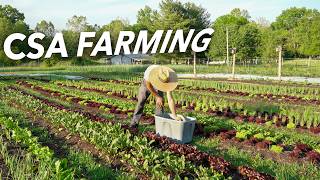
Farming the Floating Gardens (Chinampas) of Mexico with Lucio Usobiaga
Audio Brief
Show transcript
This episode explores the ancient chinampas of Mexico City and how modern regenerative agriculture is working to save them. There are three key takeaways from this conversation. First, the chinampas represent a two thousand year old agroforestry system that creates immense soil fertility. Second, severe water pollution and urbanization are currently threatening the survival of these floating gardens. Third, community supported agriculture and guaranteed pricing models are proving essential to preserving these traditional farming methods.
The chinampas are a remarkable example of conscious environmental design located in the wetlands of Xochimilco. Ancient settlers built these artificial islands using mud, aquatic plants, and willow trees to create highly productive networks. By continuously dredging nutrient rich mud from the canals, farmers naturally maintain soil organic matter at incredible levels around ten percent.
Despite their historical brilliance, these systems face existential threats from modern urban pressures. The natural lake systems have been largely drained over the centuries since the Spanish conquest. Today, the remaining canals rely almost entirely on water treatment plants, leading to severe pollution and dangerously low water levels that disrupt farming cycles.
Organizations like Arca Tierra are stepping in to provide economic stability for local farmers navigating these modern challenges. By utilizing forward contracting and community supported agriculture models, they guarantee fair prices and steady weekly purchases. This financial security allows local farmers to abandon chemical dependent monocultures and return to traditional regenerative practices.
Ultimately, preserving the chinampas requires both supporting sustainable farming techniques and addressing broader systemic water management challenges in the region.
Episode Overview
- This episode of Growers Daily features an interview with Lucio Usobiaga, director and founder of Arca Tierra, a project working with farmers in and around Mexico City.
- The conversation focuses heavily on the chinampas, the ancient "floating gardens" of Xochimilco, exploring their history, construction, and current agricultural practices.
- Listeners will learn about the unique ecological and cultural significance of the chinampas, the challenges modern farmers face in this environment, and how Arca Tierra is working to preserve these agricultural traditions while creating a sustainable food system for Mexico City.
- The episode provides a fascinating look at an ancient agroforestry system that continues to produce food today, offering insights into regenerative agriculture, water management, and the complexities of local food distribution.
Key Concepts
- The History and Geography of Chinampas: The chinampas are located in Xochimilco, an endorheic basin (a basin with no natural outflow of water) at 2,000 meters altitude. Over 2,000 years ago, settlers began building artificial islands in the shallow wetlands using mud, aquatic plants, and willow trees (ahuejote) to stabilize the perimeters. This created a highly productive network of islands and canals that supported a vast diversity of life.
- The Chinampa as an Agroforestry System: Traditionally, chinampas function as polycultures. The system relies on the ahuejote willows for structural integrity, shade, and microclimate regulation. The soil fertility is maintained by dredging nutrient-rich mud from the canals and composting aquatic weeds, creating a continuous loop of organic matter.
- The Decline of the Chinampas: The chinampa system reached its peak during the Aztec empire but began to decline after the Spanish conquest, which resulted in the destruction of water systems and the draining of lakes. Today, only the Xochimilco lake system remains, and it faces severe threats from urbanization, water pollution, and low water levels.
- Modern Farming Challenges in Xochimilco: Today, many farmers have abandoned traditional polycultures (like the milpa system of corn, beans, and squash) in favor of monocultures, often relying on herbicides. The water in the canals is heavily polluted, coming mostly from water treatment plants, and the water levels are dangerously low, requiring farmers to haul water or rely on rain.
- Arca Tierra's Mission: Arca Tierra works to support peasant farmers in Xochimilco and surrounding areas. They operate a farming school, restore abandoned chinampas, run a zero-waste restaurant (Baldío) that utilizes chinampa produce, and manage a CSA (Community Supported Agriculture) program that connects farmers directly with consumers and restaurants in Mexico City, ensuring fair prices and promoting agroecological practices.
Quotes
- At 3:29 - "Basically, we don't know exactly when, but more than 2,000 years ago, some of the settlers started building islands with organic matter, with plants, with mud, with leaves... And because it was very shallow, at the most two meters, then they were able to build these islands and create these networks of canals." - Explains the origin and construction method of the chinampas.
- At 4:16 - "The chinampas are one of the few systems of how humans can create more life with conscious design and working with nature and with life processes." - Highlights the regenerative and ecological brilliance of the ancient chinampa design.
- At 8:34 - "Always using the resources we have in our surroundings to keep the fertility of the soil, to replenish the soil. Yeah, we have around 10% of organic matter, so that's really crazy. And all of the minerals, even too much minerals." - Illustrates the incredible fertility generated by the traditional practice of using canal mud and aquatic plants.
- At 15:30 - "With most of the farmers that we work with, we create a planting schedule together where Arca Tierra commits to buying a certain amount weekly, paying a defined price. And if they produce more than that, then they sell it wherever they want." - Describes Arca Tierra's economic model for supporting local farmers and providing stability.
- At 24:11 - "Most of the water, like 90% or more, comes from water treatment plants... if there's a water shortage, then it's, there's not enough water to inject to the canals... the water level is very low, and that's very concerning." - Details the critical water management issues threatening the survival of the remaining chinampas.
Takeaways
- Consider the historical context of agricultural systems; studying ancient methods like the chinampas can provide inspiration for modern regenerative practices, particularly regarding water management and creating fertility from local resources.
- If supporting local food systems, look for models that offer farmers stability, such as forward-contracting or CSA models that guarantee purchases at fair prices, similar to how Arca Tierra operates.
- Recognize that true sustainability often requires addressing systemic issues; for the chinampas to survive, it's not just about farming practices, but also solving broader regional challenges like water quality and urban encroachment.