Do Trap Crops Actually Make any Sense?
Audio Brief
Show transcript
This episode covers critical ecological farming insights, focusing on the financial realities of garlic cultivation, the operational demands of trap cropping, and strategic sweet potato harvesting.
There are three key takeaways for small-scale market gardeners. First, local organic garlic requires premium pricing to offset its nine-month land commitment. Second, trap cropping is an active management strategy rather than a passive solution. Third, early sweet potato sampling enables growers to capture lucrative early-season markets.
Garlic occupies valuable bed space for nearly three-quarters of the year, preventing growers from using that soil for quick-turnover crops. Because of this extended timeline and high seed costs, farmers must price local garlic to reflect the lost opportunity cost of the land. This positions local organic garlic as a premium specialty product that cannot compete with cheap supermarket imports on price alone.
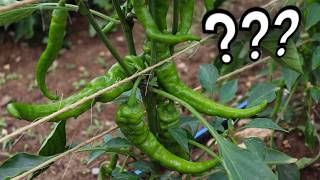
Successful trap cropping requires a two-week head start and rigorous, active pest control. Farmers must plant the trap crop early to attract pests, then actively eliminate those pests before they migrate to the cash crop. Research shows that completely surrounding cash crops with a preferred trap crop, such as hot cherry peppers around bell peppers, can yield nearly ninety-eight percent pest-free fruit.
For sweet potatoes, timing the harvest through early sampling is key to maximizing profits. Growers should dig test roots from the middle of the beds in early September to check their size. If the roots are ready, harvesting a small portion early for a warm, humid cure allows growers to be the first to market.
Optimizing these crop management decisions helps small-scale growers balance ecological health with financial viability.
Episode Overview
- This episode of "Growers Daily" covers a weekly roundup of ecological farming insights, including trap cropping, sweet potato harvest planning, and viewer feedback on garlic pricing and blackberry management.
- It addresses the practical and financial realities of market gardening, from crop-specific labor costs to the trade-offs of pest management strategies.
- The content is highly relevant for small-scale market gardeners, organic farmers, and regenerative agriculture enthusiasts looking to optimize their crop management and business decisions.
Key Concepts
- The Real Cost of Garlic Cultivation: Garlic is a long-term crop that occupies bed space for up to nine months. Because of this extended timeline and the necessity of saving or purchasing expensive seed, the price per bulb must reflect the lost opportunity cost of that land, making local organic garlic a premium specialty product compared to cheap supermarket imports.
- The True Effort of Trap Cropping: Trap crops are not a "set-and-forget" solution; they require active management. To be effective, farmers must plant the trap crop early, monitor pest accumulation, and then actively eliminate the pests (often with organic insecticides) before they migrate to the cash crop.
- The Perimeter Trap Cropping Strategy: Research demonstrates that completely surrounding a cash crop with a preferred trap crop (such as hot cherry peppers around bell peppers) is highly effective at reducing pest damage and drastically cutting down the need for broader pesticide applications.
- Sweet Potato Harvest Strategy: Successful sweet potato marketing relies on early sampling. By digging test roots from the middle of the beds in early September, growers can determine if the crop is ready for an early partial harvest, allowing them to cure the roots and be the first to market.
Quotes
- At 1:23 - "Garlic is a crop that is in the ground for like nine months in our region... meaning I can't really use that real estate for anything else except for garlic in that time." - Explaining why local garlic commands a premium price due to long-term land commitment.
- At 11:55 - "Trap crops are not passive things. You can't just like plant it and forget it... you have to plant it, monitor it, and then when you get the right number of pests, massacre them." - Highlighting the active management required for trap cropping to succeed.
- At 14:08 - "Bell peppers surrounded by the trap crop produced at least 98% pest-free fruit at harvest compared with all-bell plots which had 15% of the fruit infested." - Demonstrating the scientifically proven efficacy of perimeter trap cropping.
Takeaways
- Evaluate Trap Cropping Space Constraints: Before implementing trap crops on a small farm, weigh the space and labor requirements against other preventative measures like insect netting or focusing on soil health, as trap crops are often more efficient on larger scales.
- Implement a Two-Week Trap Crop Head Start: If you decide to use a trap crop, plant it approximately two weeks before your main cash crop so it is sufficiently mature and attractive to pests by the time the cash crop emerges.
- Plan a Staggered Sweet Potato Harvest: Dig up a few test sweet potato roots from the center of your beds in early September. If they are at your preferred size, harvest a small portion early to cure at 80–85°F with high humidity for two weeks to secure early-season market sales.