Creating Tilth without Tillage
Audio Brief
Show transcript
In this conversation, the focus is on achieving and maintaining optimal soil tilth through no-till farming methods, balancing soil biology with the practical needs of planting.
There are three key takeaways to understand this agricultural balance. First, biological tools like tarping and organic mulches naturally build soil tilth without mechanical disruption. Second, shallow mechanical preparation targeting only the top two inches of soil preserves critical deeper biology while creating a fine seedbed. Third, invasive carbon sources like wisteria wood chips can be safely recycled through managed hot composting.
Let us look first at biological soil preparation. Traditional tillage degrades organic matter and destroys soil structure, but covering beds with silage tarps or thick mulches encourages earthworms and microbes to churn the surface naturally. This biological activity creates a crumbly, loose soil structure ideal for seed germination without human intervention.
When rapid bed turnaround is necessary, minimal mechanical intervention is key. Utilizing shallow tools like a drill-powered tilther or stirrup hoe affects only the top two inches of the soil. This superficial preparation allows for easy planting while leaving the critical rhizosphere, located four to eight inches deep, entirely intact to protect soil life.
Finally, managing external inputs is vital for ecological health. High-risk organic materials, such as wood chips from invasive species, should never be applied directly to the soil surface. Instead, these carbon sources must undergo high-heat composting mixed with nitrogen-rich green waste to completely destroy viable seeds and pathogens before application.
By combining biological surface management with highly targeted shallow cultivation, growers can maintain peak soil productivity and protect long-term soil health.
Episode Overview
- Focus on Soil Tilth: This episode explores how to achieve and maintain optimal soil tilth—the physical condition of soil as it relates to its ease of tillage, fitness as a seedbed, and impedance to seedling emergence and root penetration—specifically through no-till farming methods.
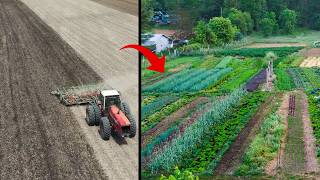
- The Core Dilemma: While traditional agriculture relies heavily on mechanical tillage to create a loose, fine-structured planting bed, this practice degrades soil organic matter, destroys soil aggregates, and disrupts soil biology. The host discusses how no-till farmers can achieve the same structural benefits of "good tilth" without the ecological damage.
- Practical Techniques & Tools: The narrative progresses from defining what tilth is (and isn't) to demonstrating both "slow" biological methods (mulches, tarping, and earthworm activity) and "fast" shallow-mechanical methods (tilthers, stirrup hoes, and power harrows) to prepare beds for planting.
- Ecological Problem Solving: The episode concludes with a practical Q&A segment addressing how to safely utilize carbon resources from invasive species, specifically Chinese Wisteria wood chips, without spreading the weed in a market garden setting.
Key Concepts
- Tilth as a Surface Property: In the context of market gardening, tilth refers specifically to the texture and quality of the top few inches of the soil surface. Good tilth means the soil is loose, crumbly, and free of large clods (clays) or hard crusts, allowing seeds to germinate evenly and roots to penetrate easily.
- The Agricultural Trade-off of Tillage: Mechanical tillage is highly effective at creating instant, fine tilth, which is why it remains popular. However, this immediate benefit comes at a massive long-term cost: it accelerates the decomposition of soil organic matter, pulverizes beneficial soil aggregates, unearths dormant weed seeds, and destroys soil biology (like earthworms and fungal hyphae).
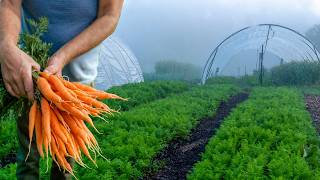
- The Soil’s Natural "Churn": Soil is not static; it is constantly being tilled by biological organisms such as microbes, earthworms, and burrowing insects. By covering the soil with organic mulches or tarps, farmers create a dark, moist, food-rich environment that concentrates this biological activity at the surface, naturally creating excellent tilth over time without human intervention.
- Strategic Surface Manipulation: No-till farming does not mean zero soil disturbance. Instead, it utilizes very shallow disturbance (the top 1–2 inches) using tools like stirrup hoes or a "tilther" to incorporate amendments, kill young weeds, and smooth the bed, while leaving the critical deeper soil structure (the rhizosphere from 4–8 inches deep) completely intact to protect soil biology.
Quotes
- At 1:06 - "Tilth is the texture of the soil on the soil surface and how well that surface is prepared for growing crops." - Defining the central concept of the episode and establishing that tilth is a physical state of the soil bed rather than a permanent soil type.
- At 6:17 - "The soil is in a constant state of churn. We are far from the only ones who tilt the soil; microbes, earthworms, gofers, etc., are constantly turning the soil over." - Explaining the biological basis for natural soil structure and refuting the idea that humans must physically turn the soil for it to loosen.
- At 9:00 - "I don't worry too much about the top two inches of the soil in terms of soil health... the majority of the soil life that you need to protect is around the rhizosphere, which is like four to eight inches down." - Clarifying a common misconception in no-till farming by showing that superficial surface preparation does not compromise the core biological health of the soil profile.
Takeaways
- Utilize Tarping and Organic Mulches for Biological Tilth: Prepare future planting beds by covering them with silage tarps or thick organic mulch (like straw or hay) weeks before planting; this encourages earthworms to deposit castings at the surface, leaving a crumbly, highly plantable soil structure when uncovered.
- Target Only the Top Two Inches for Mechanical Prep: When quick bed turnaround is required, use shallow tools like a tilther (powered by a hand drill) or a stirrup hoe rather than a deep rototiller; this preserves the structure and biological activity of the rhizosphere (4–8 inches deep) while still creating a fine seedbed.
- Safely Recycle Invasive Carbon Sources via Hot Composting: If you receive wood chips containing invasive weeds like Chinese Wisteria, do not spread them directly on the garden; instead, build a hot compost pile mixed with nitrogen-rich green materials, thoroughly saturate it with water, and cover it with a tarp to "cook" and destroy any viable seeds or vegetative fragments before use.