Cover Crops You Can Eat (And Still Get Benefits)
Audio Brief
Show transcript
This episode covers how small-scale growers can maximize limited space and protect soil health by utilizing edible cover crops across different seasons.
There are three key takeaways from this discussion. First, integrating edible greens like pea shoots and brassicas into cover crop mixes provides both soil protection and a harvestable food source. Second, treating cover crop beds with the same rigorous preparation as cash crops is essential for maximizing soil benefits. Third, distinguishing between cereal rye and perennial ryegrass is crucial for effective garden management and avoiding persistent weed issues.
Integrating edible crops into seasonal rotations allows growers to optimize space during fall, winter, spring, and summer. For instance, sowing a dense stand of peas five to six weeks before the first frost provides a protective winter cover while yielding marketable pea shoots when the plants reach four to eight inches tall. Quick-growing greens like spinach, arugula, and radishes can also be mixed into these plantings for extra foraging or sales.
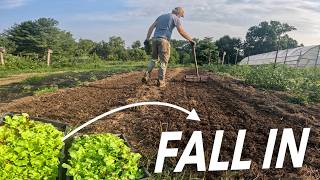
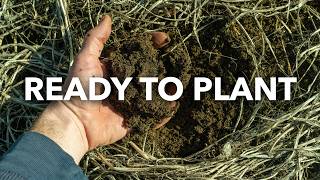
Successful cover cropping requires proper soil preparation rather than treating these crops as an afterthought. Growers must address soil compaction, add necessary fertility, and water the seeds in well, treating the beds with the same care as high-value cash crops. This deliberate approach ensures a strong stand that effectively suppresses weeds and builds long-term soil health.
Careful species selection and future planning are vital to prevent long-term management headaches. Growers must distinguish between annual cereal rye, which is easy to terminate, and perennial ryegrass, which will persistently grow back after mowing. Knowing the difference prevents accidental weed establishment and ensures the ground is ready for the next cash crop.
By carefully planning rotations and selecting the right edible varieties, growers can simultaneously feed their soil and their customers year-round.
Episode Overview
- This episode discusses cover crops that are also edible, allowing growers to maximize their growing space during different seasons.
- The host explains various combinations of cover crops for fall, winter, spring, and summer, highlighting crops like pea shoots, brassicas, and flowers.
- It addresses the importance of proper soil preparation and seed sowing for cover crops to ensure successful growth and soil health.
- A Q&A segment clarifies the differences between cereal rye and ryegrass, helping growers make informed decisions for their gardens.
Key Concepts
- Edible Cover Crops: Growing crops that serve as soil protection while providing harvestable food (like pea shoots and brassicas) helps small-scale growers optimize limited space.
- Seasonal Combinations: Utilizing different crop mixes for different times of the year ensures continuous soil coverage and potential harvests throughout the seasons.
- Soil Prep Importance: Preparing cover crop beds with the same care as cash crop beds (addressing compaction, adding fertility, proper sowing) maximizes the benefits the cover crop can provide to the soil.
- Cereal Rye vs. Ryegrass: Understanding that cereal rye is easier to terminate than perennial ryegrass is crucial for garden management to avoid persistent weed issues.
Quotes
- At 1:42 - "A dense stand of peas is sown around five or six weeks before the first frost, and you can start cutting it at around four to eight inches tall." - Explaining how to manage pea shoots as both a cover crop and a harvestable food source.
- At 4:18 - "As always with cover crops, be very mindful of what you plan to use that area for next year." - Highlighting the necessity of planning crop rotations to avoid conflicts with future plantings.
- At 13:27 - "The biggest difference is that word perennial... perennial ryegrass is going to keep coming back after you mow it low to the ground, unlike cereal rye." - Clarifying a common point of confusion for growers choosing cover crop seeds.
Takeaways
- Integrate quick-growing greens like spinach, arugula, or radishes into your winter cover crop mixes for extra foraging or market sales.
- Treat cover crop bed preparation with the same rigor as cash crops, ensuring compaction is loosened and seeds are watered in well.
- Avoid using perennial ryegrass in active garden beds unless you are prepared for a long termination process; opt for annual cereal rye instead.