26: Concrete roof Green roof Landscape roof Insulate roof of Hobbit Hole Tiny Home
Audio Brief
Show transcript
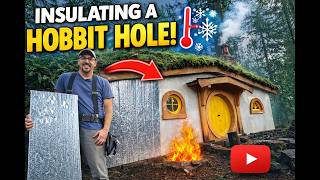
This episode details the intricate process of building and landscaping a custom hobbit house, transforming it into a dwelling that blends seamlessly with its forest environment.
This conversation offers three essential takeaways. First, maintaining proper ground clearance for wood siding is crucial to prevent rot and pest infestation. Second, leveraging on-site natural resources and traditional techniques adds unique character and sustainability. Third, combining modern construction with ancient preservation methods results in durability and aesthetic integration.
Regarding ground clearance, the creator deliberately ran soil against wood siding for aesthetic reasons. However, it's critical to note this is a significant risk for conventional wood-framed structures, creating an easy access point for insects and potential rot. This specific build's concrete foundation mitigates some of that risk.
The project extensively utilizes on-site resources. Lumber from a fallen tree was milled and hand-shaped for decorative beams. A multi-layered living roof was installed using transplanted moss and ferns, creating a functional, aesthetic green space. Landscaping seamlessly integrates the structure with stone retaining walls and native flora.
The construction blends modern and traditional elements. The concrete structure provides a durable base, reinforced with waterproofing and insulation. Traditional Shou Sugi Ban, a Japanese wood charring technique, was applied to siding and beams, ensuring preservation while delivering a unique, dark finish.
The hobbit house project exemplifies how meticulous craftsmanship, sustainable sourcing, and a blend of modern and ancient building practices can create a dwelling that truly emerges from its natural setting.
Episode Overview
- This episode documents the intricate process of adding siding and landscaping to a custom-built hobbit house, transforming it from a basic structure into a dwelling that blends seamlessly with its forest environment.
- The creator demonstrates detailed woodworking techniques, including milling lumber from a fallen tree, shaping decorative beams, and applying a traditional Japanese wood preservation method called Shou Sugi Ban.
- Key construction phases are shown, such as waterproofing, installing a multi-layered living roof with soil and moss, and creating natural-looking paths and retaining walls.
- The episode concludes with final landscaping touches, including the strategic placement of ferns, moss, and other native plants to fully integrate the structure into the surrounding woods.
Key Concepts
- Shou Sugi Ban (Yakisugi): The Japanese technique of charring wood to preserve it is used extensively on the siding and decorative beams, creating a durable, dark, and textured finish.
- Living Roof Construction: The process involves layering waterproofing membranes, insulation, soil, and finally transplanting large sections of moss and ferns to create a functional and aesthetic green roof.
- Custom Woodworking: The creator mills lumber from a fallen tree on-site and meticulously hand-shapes large beams using saws, axes, and grinders to achieve a rustic, fantasy-inspired aesthetic.
- Site Integration and Landscaping: A significant portion of the work involves landscaping to make the structure appear as if it is naturally emerging from the hillside, using elements like stone retaining walls, mulch pathways, and transplanted native flora.
- Waterproofing and Drainage: The video highlights the critical steps of waterproofing the concrete structure before backfilling, including applying insulation, painted membranes, and installing a French drain system at the foundation.
Quotes
- At 15:33 - "I want to show you something that you should never, ever do... I ran my soil right up to the bottom of the siding here. That's a big no-no." - The creator points out a deliberate aesthetic choice that goes against standard building practices, explaining that it can lead to rot and pest issues over time.
- At 15:51 - "If this building wasn't made out of concrete, it would be an easy access point for insects and termites and the like to get into the building." - Providing further context on why piling soil against wood siding is a bad practice for conventional wood-framed structures.
- At 16:05 - "I'm hoping to do the brick and the plaster over the summer here. Everywhere you see that's white is going to have either brick or plaster on it." - The creator outlines the next major steps for finishing the exterior of the hobbit house.
Takeaways
- To prevent rot and pest infestation, always maintain a clearance of several inches between the ground soil and any wood siding on a structure.
- Utilizing on-site natural resources, such as milling lumber from fallen trees and transplanting moss for a living roof, can add unique character and sustainability to a building project.
- Combining modern materials like concrete and rigid foam insulation with traditional techniques like wood charring can result in a structure that is both durable and aesthetically unique.