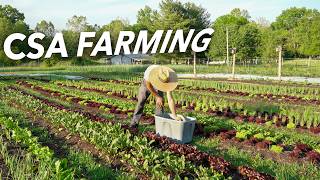
Will Farming Be Possible in the Future + Dogma-Free Gardening
Audio Brief
Show transcript
This episode covers the critical challenges facing modern agriculture, from the skyrocketing costs of farmland to the hidden ecological toll of artificial intelligence. There are three key takeaways. First, the consolidation of arable land is creating an insurmountable barrier for new farmers. Second, true land stewardship requires a pragmatic approach rather than rigid adherence to rules. Third, the explosive growth of data centers is accelerating resource depletion and permanent land loss.
The biggest hurdle for the next generation of farmers is not a lack of work ethic or knowledge, but the historically high price of land. Farmland is rapidly being lost to corporate consolidation and commercial development. Support for local and national land trusts is essential to preserve these agricultural spaces and create affordable pathways for aspiring farmers.
When it comes to farming practices, strict adherence to specific methodologies can actually be counterproductive. Being dogmatic about what a farm should be is merely a performance, whereas true stewardship involves understanding local ecosystems. Growers must adapt their techniques to the specific climate and soil, making practical decisions rather than enforcing rigid ideological rules.
The digital tools we increasingly rely on carry massive hidden costs in water and electricity. As arable land is converted into data centers for generative artificial intelligence, agricultural capacity is permanently lost while carbon emissions surge. Furthermore, the Jevons paradox dictates that as this technology becomes more efficient, overall resource consumption will actually increase. Users must remain critically mindful of the environmental cost behind every digital transaction.
Ultimately, navigating the future of our land requires balancing practical agricultural stewardship with a clear eyed understanding of technological impacts.
Episode Overview
- This episode explores the critical challenges facing modern agriculture, particularly the rapid loss and skyrocketing costs of farmland due to consolidation and development, including the expansion of data centers.
- The host discusses the importance of a pragmatic, dogma-free approach to farming and gardening, emphasizing that soil health principles should be adapted to specific contexts rather than rigidly enforced.
- The conversation shifts to the environmental impact of Artificial Intelligence, highlighting the massive energy and water consumption of data centers and the economic principles that suggest efficiency will only drive more usage.
- Viewers will gain a perspective on the systemic barriers preventing new farmers from entering the industry and the hidden ecological costs of the digital tools we increasingly rely on.
Key Concepts
- The Farmland Access Crisis: The consolidation of farmland into the hands of corporations and the loss of arable land to development has driven land prices to unprecedented highs. This creates an insurmountable barrier to entry for young and aspiring farmers, who possess the desire and work ethic but lack the capital to compete with developers and wealthy investors.
- Dogma-Free Stewardship: While practices like no-till are beneficial goals for soil health, adhering to them with absolute rigidity can be counterproductive. True stewardship involves understanding the specific needs of a local ecosystem, climate, and soil type, and making practical decisions—which may sometimes include minimal disturbance—rather than performing a dogmatic identity.
- The Environmental Toll of AI: Generative AI models and the data centers that power them consume vast amounts of electricity and water for cooling. Converting arable land into data centers creates a permanent loss of agricultural capacity while significantly increasing carbon emissions and water stress.
- The Jevons Paradox in Technology: Improvements in the efficiency of a technology (like AI or combustion engines) typically do not lead to a reduction in resource consumption. Instead, because the technology becomes cheaper and easier to use, overall consumption of the resource (energy, water, coal) actually increases.
Quotes
- At 3:26 - "The biggest barrier to entry for next-generation farmers isn't knowledge or training or work ethic; it's the historically high price of farmland." - Explains the root cause of the generational gap in farming, shifting the blame from a lack of interest to systemic economic hurdles.
- At 8:42 - "Being dogmatic about what a farm should be is not stewardship; it's performance." - Clarifies the difference between genuinely caring for the land based on its specific needs versus strictly adhering to an ideological set of rules for appearance.
- At 11:45 - "It's called the Jevons paradox, where essentially more efficiency can lead to more use of a resource and not less of it." - Provides the economic framework for understanding why technological advancements in AI will likely exacerbate environmental issues rather than solve them.
Takeaways
- Support local and national land trusts that actively work to preserve farmland and create pathways for young farmers to access affordable land.
- Evaluate your gardening or farming practices based on observation and local context rather than strictly following a specific methodology; adjust your techniques to serve the actual needs of your soil.
- Be critically mindful of your use of generative AI tools for trivial tasks, recognizing the significant hidden water and carbon costs associated with every prompt.