Why the Best Traders Often Fail First | Open Interest | Ep.22
Audio Brief
Show transcript
This episode covers how a new generation of solo discretionary traders parlay small accounts into massive wealth while navigating intense psychological tolls and extreme market volatility.
There are three key takeaways from this discussion. First, human judgment still outperforms purely automated systems when generating spectacular outlier returns. Second, surviving massive drawdowns requires unteachable personality traits and immense lifestyle sacrifices. Finally, while specific trading strategies evolve across generations, the foundational rules of strict risk management remain completely timeless.
On the first point, the podcast highlights a sharp divide between systematic and discretionary trading. Purely rules based quantitative models rarely produce mind boggling success. Instead, the most extreme outlier returns are almost exclusively achieved by solo traders who blend hard data with human intuition. For example, the episode highlights a Swedish security guard who used his earnings to grow a five thousand dollar account into over one hundred million dollars, proving the incredible power of solo discretionary trading.
Regarding the psychological toll, achieving these massive returns demands a grueling and restrictive lifestyle. Elite traders often sacrifice their personal lives, monitoring screens for up to sixteen hours a day to maintain eternal vigilance over the markets. Furthermore, they must possess the innate psychological fortitude to survive gut wrenching drawdowns, sometimes stomaching a fifty percent loss in a single month without abandoning their strategy. Many of the most spectacular success stories actually feature traders who bombed out completely multiple times before finding their footing.
Finally, the conversation reinforces that true market wizards do not rely on predicting the future, but rather on extreme preparedness. Regardless of the era, the strategy, or the specific asset class, every highly successful trader strictly adheres to the exact same universal mechanics. They deeply respect market price action, they ruthlessly and swiftly cut their losing positions, and they give their winning trades the necessary room to compound and grow.
Ultimately, this exploration serves as a powerful reality check, proving that while basic trading mechanics can be learned, the resilience required for elite financial outperformance is an unteachable trait.
Episode Overview
- Explores how a new generation of solo, discretionary "Market Wizards" achieve extraordinary outlier returns by parlaying small accounts into massive wealth.
- Examines the sharp divide between systematic and discretionary trading, revealing why human judgment still outperforms purely automated systems in extreme success cases.
- Delves into the severe psychological toll, extreme volatility, and lifestyle sacrifices required to achieve hyper-successful trading results.
- Serves as a reality check for aspiring traders, highlighting the unteachable personality traits required to survive massive drawdowns while emphasizing the timeless rules of risk management.
Key Concepts
- The Edge of Solo Discretionary Trading: Purely systematic, rules-based models rarely produce spectacular outlier returns. The mind-boggling successes profiled in "Market Wizards" are almost exclusively achieved by discretionary solo traders who use human judgment and intuition alongside data.
- Timeless Principles Outweigh Specific Strategies: While younger generations utilize unconventional, highly asymmetric strategies compared to older veterans, they still rely on universal, fundamental rules: respecting market price action, letting winners run, and swiftly cutting losses.
- The True Cost of Elite Performance: Achieving massive returns requires surviving extreme psychological pressure. Elite traders endure gut-wrenching drawdowns (sometimes up to 50% in a month) and sacrifice their personal lives to monitor screens for 14 to 16 hours a day.
- Personality Traits vs. Learned Skills: Basic trading mechanics and profitability can be learned, but the innate ability to remain calm under extreme pressure, maintain intense focus, and bounce back from massive financial losses largely depends on unteachable personality traits.
- The Necessity of Rigorous Verification: In an era of AI and fabricated documents, validating a trader's "wizard" status requires strict scrutiny. Track records must be proven through tax documents, broker statements, and auditor confirmations to ensure authentic outperformance.
Quotes
- At 0:48 - "success doesn't come from predicting what happens next. It comes from being prepared for what you can't predict." - A core philosophy emphasizing risk management and preparedness over forecasting.
- At 5:07 - "there's a Swedish security guard who after several failed attempts used his earnings to parlay a $5,000 trading account to a peak of over 100 million." - Providing a tangible example of the extraordinary, against-the-odds success stories featured in the new book.
- At 13:40 - "how many of these people who succeed in totally spectacular fashion beyond to levels which people think are impossible... actually bombed out, not once, not twice, but sometimes even three times." - Revealing a surprising commonality among top traders: a history of significant early failures.
- At 19:48 - "you need to respect the price action of the market, you need to sit with your winning positions, and you need to cut your losing positions." - Summarizes the three timeless, universal principles shared by all great traders regardless of their strategy or era.
- At 24:16 - "You're not going to get the spectacular type of cumulative returns or spectacular return to risk numbers that typify the people that get chosen for Market Wizard books. Single systems just don't deliver that type of profile no matter how good they are." - Explains why purely systematic, single-strategy quantitative models rarely achieve massive outlier returns.
- At 31:07 - "The cost of their returns is sort of eternal vigilance... they don't get to move much, they are glued to the market and the market is their boss whether they like it or not." - Highlights the extreme lifestyle sacrifices and physical toll required for hyper-successful day trading.
- At 34:03 - "If they went down 50% in a month, they would say, 'That's it, I'm done, pull my money,' or they would quit... what they don't see is the ride." - Illustrates why most people cannot achieve outlier wealth; they lack the psychological fortitude to stomach massive drawdowns.
Takeaways
- Prioritize risk management and extreme preparedness over trying to perfectly forecast future market movements.
- Accept that significant, catastrophic early failures are a normal part of the learning curve; use them to refine your approach rather than as a reason to quit.
- Strictly adhere to the timeless rules of execution: immediately cut your losing positions and allow your winning positions the room they need to grow.
- Honestly assess your psychological risk tolerance before attempting high-volatility strategies, acknowledging that massive returns require enduring severe drawdowns and immense lifestyle sacrifices.
More from Top Traders Unplugged
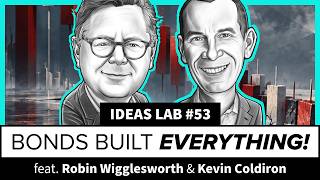
How Bonds Quietly Built the Modern World ft. Robin Wigglesworth | Ideas Lab | Ep.53
Sep 17, 2026
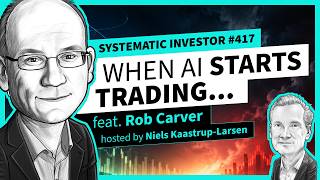
AI Could Change Markets Forever | Systematic Investor | Ep.417
Sep 13, 2026

AI, Higher Rates and the Next Big Economic Imbalance | Global Macro | Ep.107
Sep 10, 2026
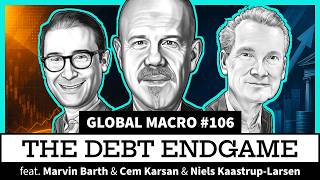
Inflation, Debt and the Fed: What Happens Next? | Global Macro | Ep.106
Sep 02, 2026