What Is Justice? | Conversations with Children About Being Fair | Circle Time with Khan Academy Kids

Audio Brief
Show transcript
This episode introduces the concept of justice to young children by connecting it to the familiar idea of fairness through everyday examples.
There are four key takeaways from this discussion. First, fairness means ensuring everyone gets what they need, which isn't always the same thing. Second, it's crucial to consider how our actions impact others' feelings. Third, empower children to speak up when they witness unfair situations. Fourth, simple actions like taking turns effectively practice fairness and justice.
The distinction between fair and same is critical. Fairness emphasizes meeting individual needs, rather than providing identical outcomes. A cookie-sharing scenario illustrates this point, showing that what's fair often means getting what is necessary for each person, not just an equal share.
Understanding how actions affect others is fundamental to justice. The discussion encourages children to think beyond their own desires and consider the feelings and needs of the entire group. This perspective-taking fosters a broader sense of well-being.
Children are encouraged to actively address unfairness. Speaking up and communicating feelings, as demonstrated in the 'I'll Go First' story, empowers them to propose fair solutions. This teaches them that they have a role in creating a just environment.
Simple, daily actions like taking turns serve as effective practice for justice. This foundational behavior helps children understand equitable distribution and mutual respect. It provides a concrete way to implement fairness among peers.
Overall, the episode provides practical strategies for introducing complex concepts of justice and fairness in an accessible, engaging way for young audiences.
Episode Overview
- This episode of Circle Time introduces the concept of "justice" to young children by connecting it to the more familiar idea of "fairness."
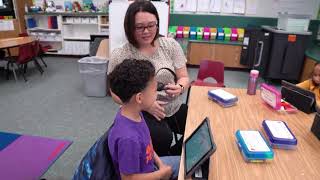
- Special guests Teacher Naomi and her son Noah use a simple cookie-sharing scenario to illustrate what it means for something to be fair or unfair.
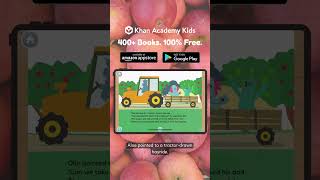
- The hosts read the story "I'll Go First," which teaches a lesson about the importance of taking turns and considering the feelings of others.
- The episode features a "Show and Tell" segment where drawings submitted by young viewers are shared and celebrated.
Key Concepts
- Justice as Fairness: The central theme is that justice is about fairness. The episode breaks down this complex idea by relating it to everyday situations that children can understand, like sharing toys or playing games.
- Fair vs. Same: A key distinction is made between fairness and equality. The hosts explain that being fair doesn't always mean everyone gets the exact same thing; it means everyone gets what they need.
- Empathy and Perspective-Taking: The episode encourages children to think about how their actions affect others. Justice involves considering everyone's feelings and needs, not just your own.
- Taking Action: Children are encouraged to speak up when they see something that is unfair and to take simple actions, like sharing and taking turns, to create a more just environment.
Quotes
- At 02:32 - "That's not fair." - Noah's response to a hypothetical situation where his brother gets a cookie and he doesn't, perfectly capturing the core childhood understanding of injustice.
- At 03:57 - "We don't just think about ourselves, we think about other people and what's fair for everyone." - Teacher Naomi explains that true justice and fairness require considering the well-being of the entire group, not just individual desires.
- At 14:09 - "It's only because you never let us climb up first... We should all take turns being first." - In the story "I'll Go First," Dog and Chicken explain to Goat why her behavior is unfair, providing a clear example of how to communicate feelings and propose a fair solution.
Takeaways
- Fairness is about ensuring everyone gets what they need, which isn't always the same thing for everybody.
- It is important to think about how our actions make other people feel.
- If you see something that isn't fair, you can speak up and help make it right.
- Taking turns is a simple and effective way to practice fairness and justice with friends.