Unbelievable! Top 3 Most Amazing Recycling and Manufacturing Processes Videos
Audio Brief
Show transcript
This episode covers the incredible transformation of everyday waste materials into valuable consumer products through labor intensive grassroots recycling.
There are three key takeaways from this analysis. First recycling requires a complex multi stage unmanufacturing process to turn waste back into usable raw materials. Second grassroots industrialization proves that optimized human effort and repurposed machinery can achieve high value mass production. Third the economic model of recycling thrives because the incredibly low cost of discarded materials offsets the intense physical labor required to process them.
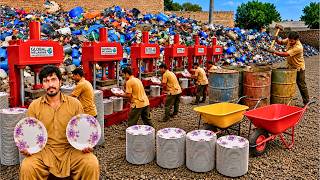
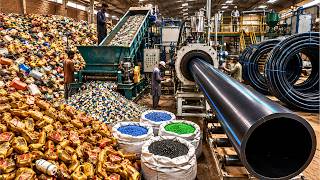
Looking closer at the plastic recycling pipeline the process goes far beyond simply melting items down. Discarded bottles require meticulous color sorting shredding and rigorous mechanical washing to remove all contaminants. Once clean the material is sun dried and extruded under extreme high heat. These extruded strands are finally cut into uniform pellets serving as the foundational raw material for durable goods like melamine style dishes.
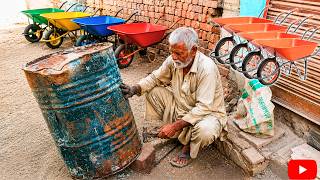
The concept of unmanufacturing is equally vital when structurally upcycling scrap metals. Transforming a fixed object like a steel oil drum requires completely deconstructing it before building something new. Workers must cut open hammer and flatten the rusty drums through heavy rollers to create workable sheets. Only then can the steel be measured shaped and welded into structurally sound heavy duty wheelbarrows built to carry massive loads.
These operations highlight the immense economic potential hidden within global waste streams. What consumers perceive as trash is actively utilized by these industries as cheap and abundant raw material. By sourcing recycled or upcycled base materials businesses can drastically lower their raw material costs without requiring highly automated or pristine facilities.
Ultimately recognizing the hidden lifecycle of discarded materials can help manufacturers completely rethink production costs and turn everyday disposal challenges into profitable opportunities.
Episode Overview
- This video explores the incredible transformation of everyday waste materials into valuable, usable products through labor-intensive industrial recycling processes.
- The narrative follows two primary manufacturing arcs: converting discarded plastic bottles into reusable plastic pellets (and subsequently melamine-style dishes), and upcycling rusty oil drums into heavy-duty wheelbarrows.
- Viewers interested in sustainable manufacturing, grassroots industrial processes, or the hidden life cycle of recycled materials will find this visual breakdown highly educational, as it reveals the intense manual labor behind everyday items.
Key Concepts
- The Multi-Stage Plastic Recycling Pipeline: Recycling plastic is a complex, multi-step process that goes far beyond simply melting it down. It requires meticulous color-sorting, shredding, rigorous mechanical washing to remove contaminants, sun-drying, high-heat extrusion, and finally, cutting the extruded strands into uniform pellets that serve as raw material for new goods.
- Structural Upcycling of Metals: Transforming a fixed object like a steel oil drum into a new product requires "un-manufacturing" it first. The drums must be cut open, hammered, and run through heavy rollers to flatten the steel into workable sheets before it can be measured, cut, shaped, and welded into a structurally sound wheelbarrow.
- Grassroots Industrialization: The processes demonstrated rely heavily on intense manual labor, localized mechanical ingenuity, and repurposed machinery. This highlights that high-value manufacturing and mass production do not strictly require highly automated, pristine facilities; they can be achieved through optimized human effort and basic mechanical advantage.
- The Economic Value of Waste: What consumers perceive as "trash" is viewed by these industries purely as cheap, abundant raw material. The economic model works because the low cost of acquiring the discarded materials offsets the intense labor required to process them.
Quotes
- At 0:00 - "People throw these things away every single day without realizing they can be turned into products worth thousands of dollars." - Establishes the core premise of the episode, highlighting the massive, untapped economic potential hidden in global waste streams.
- At 0:07 - "Old plastic bottles are crushed, washed, cleaned and transformed into recycled plastic pellets." - Explains the fundamental mechanical steps required to return discarded consumer plastic back into a raw, versatile manufacturing material.
- At 0:14 - "Chemical powder, extreme heat and massive hydraulic pressure create strong melamine dishes used by millions of people around the world." - Clarifies the industrial process required to mold basic chemical compounds and recycled materials into durable, mass-market consumer goods.
- At 0:30 - "Rusty old oil drums are cut apart, hammered, reshaped and turned into heavy duty wheelbarrows built to carry massive loads." - Summarizes the intense physical transformation and upcycling required to turn scrap metal into functional, load-bearing tools.
Takeaways
- Evaluate your own business or household waste streams to identify materials that could be separated and sold as raw materials rather than paying for their disposal.
- When designing a product or process, consider how you might utilize recycled or upcycled base materials—like utilizing pre-existing metal forms or recycled plastic pellets—to lower your raw material costs.
- Apply the concept of "un-manufacturing" to problem-solving; sometimes you must completely deconstruct an existing system, process, or object down to its foundational elements before you can build something new and useful from it.
More from Hard Work and Skills
Top 5 Crazy & Amazing Recycling and Manufacturing Processes in the World | Amazing Factories
Sep 02, 2026
How Plastic Waste Becomes Brand New Pipes | Incredible Process
Aug 29, 2026
Massive Recycling Turning Scrap Oil Drums into Functional Wheelbarrow | Amazing Process
Aug 22, 2026

Ladies Slipper Making Full Process | From Raw Material to Finished Product
Aug 14, 2026