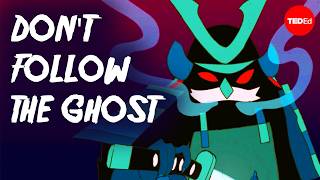
The Greek myth of the Fates’ prophecy - Iseult Gillespie

Audio Brief
Show transcript
This episode covers the tragic Greek myth of Meleager, a prince whose life is tied to an unburned log, exploring themes of fate and human emotion.
There are three key takeaways from this story. First, unchecked rage and pride lead to catastrophic, irreversible consequences, turning victory into tragedy. Second, an individual's fate is often intertwined with the choices and emotional reactions of those closest to them. Third, attempts to defy or control destiny can inadvertently lead to its fulfillment through unforeseen circumstances.
Meleager's hot temper, his uncles' wounded pride during a hunt, and his mother Althaea's grief-fueled rage all intertwine to fulfill his prophecy. Althaea initially saves the log to protect him, yet her vengeful act of burning it ultimately seals his preordained death. This narrative underscores how human emotions drive the inescapable nature of destiny.
The myth serves as a potent cautionary tale about the destructive power of vengeance and the conflict between family loyalty and personal honor.
Episode Overview
- The episode recounts the Greek myth of Meleager, a prince whose life is fated to last only as long as a specific log remains unburned.
- His mother, Althaea, saves the log to protect him, but a monstrous boar sent by the goddess Artemis forces Meleager to assemble Greece's greatest heroes for a hunt.
- During the hunt, a conflict over honor and pride arises when Meleager awards the prize to the huntress Atalanta, leading to a tragic confrontation with his uncles.
- The story culminates in a devastating act of maternal rage, where Althaea fulfills her son's prophecy by burning the fated log.
Key Concepts
The myth explores the powerful and often destructive themes of fate, pride, and rage. It demonstrates how the prophecy of the Fates is ultimately inescapable, not by a random act, but through the direct consequences of human emotion and action. The story highlights how Meleager's hot-tempered nature, his uncles' wounded pride, and his mother's grief-fueled rage all intertwine to bring about the tragic conclusion that was foretold at his birth.
Quotes
- At 00:00 - "Fate steals along with silent tread, Found oftenest in what least we dread." - This opening quote from a William Cowper poem sets the central theme of the myth: the unexpected and unavoidable nature of destiny.
Takeaways
- Unchecked rage and pride can lead to catastrophic and irreversible consequences, turning victory into tragedy.
- An individual's fate is often intertwined with the choices and emotional reactions of those closest to them.
- Attempts to defy or control destiny can inadvertently lead to its fulfillment through unforeseen circumstances.
- The myth serves as a cautionary tale about the conflict between family loyalty, personal honor, and the destructive power of vengeance.