"That Sort of Inequality Usually Ends Up Involving Piano Wire" — Heather Cox Richardson
Audio Brief
Show transcript
SUMMARY:
Why does extreme wealth inequality historically end with piano wire or a guillotine? On host Scott Galloway's show, they discuss the future of the Democratic Party. You will learn how lessons from the nineteen twenties and thirties can help us navigate modern economic reform and turn temporary political wins into lasting movements.
Turning a political fling into real love. Winning a midterm election is rarely a passionate mandate, but rather a temporary vote against the other side. The trick for the party in power is to hit the ground running by passing highly popular, tangible legislation like child tax credits and affordable healthcare subsidies.
The terrifying cost of extreme wealth. When a tiny class of citizens possess outsized power, essentially acting like independent nation-states, democracy begins to fracture. This extreme disparity historically triggers systemic instability or revolutionary backlash. To prevent this, society must use progressive taxation and antitrust enforcement to break up monopolies and stabilize the system before it breaks.
Saving capitalism from itself. Progressive reforms are not designed to destroy capitalism, when they are actually its only hope for survival. During the New Deal under President Franklin Delano Roosevelt, the goal was to file off the sharp edges of industrial capitalism. Establishing a regulated system with social safety nets prevents the rise of extreme ideologies like fascism and communism.
To resolve modern political polarization, we must look to historical patterns. Protecting both democracy and the capitalist system requires using progressive taxation and antitrust laws to limit extreme wealth concentration. The only way to maintain this system is to file off the sharp edges of modern day industrial capitalism and turn it into a regulated system.
Episode Overview
- Historian Heather Cox Richardson and host Scott Galloway discuss the future of the Democratic Party after the midterms, the historical context of extreme wealth inequality, and what the 1920s and 1930s teach us about modern-day economic reform.
- The conversation frames how temporary political alignments can be transformed into lasting movements through popular social welfare and regulatory legislation.
- This episode is particularly relevant for those interested in political history, economic inequality, and the future of American democracy.
Key Concepts
- Fling versus Real Love: Political victories in midterms are often negative votes against the opposing party rather than a mandate for the winning party. To sustain power, a party must quickly pass highly popular, tangible legislation that demonstrates its core values to the public.
- Extreme Inequality as a Threat to Democracy: Extreme wealth concentration creates a tiny class of citizens who possess outsized power, essentially acting like independent nation-states. Historically, extreme wealth disparity has led to systemic instability or revolutionary backlash if not corrected through progressive taxation and regulation.
- The Capitalist System Self-Correction: Progressive reforms, such as those during FDR's New Deal, are not designed to destroy capitalism, but to save it. By establishing a regulated system with social safety nets, democracy prevents the rise of extreme ideologies like fascism and communism.
Quotes
- At 1:21 - "Pretty common in the periods of great change where the initial vote is against the other party. And then the trick is for the party in power to hit the ground running." - Explains how political parties can turn temporary midterm victories into lasting movements.
- At 5:04 - "It astonishes me that they don't seem to understand that that sort of inequality usually ends up involving piano wire... or a guillotine." - Highlighting the historical danger of ignoring extreme wealth inequality.
- At 8:24 - "The only way to maintain this system is to file off the sharp edges of modern-day industrial capitalism and turn it into a regulated system." - Clarifying the protective, pro-capitalist intent behind progressive regulatory reform.
Takeaways
- To build a lasting political coalition, focus on passing broadly popular social policies, such as the child tax credit and affordable healthcare subsidies, rather than relying on partisan outrage.
- Use progressive taxation and antitrust enforcement as tools to protect both democracy and the capitalist system from the destabilizing effects of monopolization and extreme wealth concentration.
- Look to historical patterns, such as the progressive reforms of the 1930s and 1970s, to understand how to navigate and resolve modern-day economic and political polarization.
More from The Prof G Pod – Scott Galloway

Nate Silver's Advice for Young Creators: Don't Wait Around
Nov 01, 2026
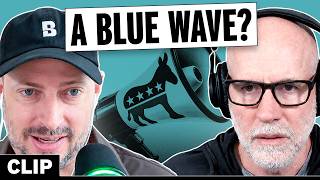
Nate Silver on the Election-Night Races That Signal a Blue Wave
Oct 30, 2026

Heather Cox Richardson: The GOP No Longer Exists and It Looks Like the 1850s
Oct 29, 2026

"We Blew It After 9/11" — Timothy Snyder on the Lesson Trump Learned
Oct 26, 2026