Scientists Are Bringing Back Mammoths – Should They?

Audio Brief
Show transcript
This episode explores Colossal Biosciences' ambitious project to de-extinct the woolly mammoth using modern gene-editing technology.
There are four key takeaways from this discussion. First, human genetic modification is ancient, but CRISPR offers unprecedented, powerful control over life's building blocks. Second, the woolly mammoth's revival is a well-funded scientific mission aiming to restore arctic ecosystems. Third, while gene editing promises vast benefits, altering complex systems carries significant, unpredictable risks. Finally, such ambitious projects often yield broad scientific and technological breakthroughs.
Genetic modification has evolved from millennia of selective breeding to modern CRISPR tools. These now enable precise DNA alteration, fundamentally changing what is possible.
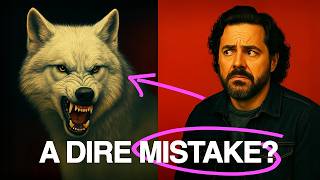
Colossal Biosciences plans to reintroduce genetically engineered mammoths to the arctic tundra. This project aims to revive an extinct species and potentially restore a vital ecosystem.
While gene-editing offers immense potential, from disease fighting to nutritious food, it carries significant ecological risks. Past introductions of non-native species serve as cautionary tales, highlighting unpredictable and potentially catastrophic consequences in complex natural systems.
Often, the primary motivation for such moonshot projects lies in the scientific and commercial breakthroughs generated. These new technologies can have wide-ranging applications across many industries.
The power to alter life demands extreme caution, thorough research, and a robust ethical framework to avoid repeating past ecological mistakes.
Episode Overview
- The episode explores the ambitious project by the company Colossal Biosciences to "de-extinct" the woolly mammoth using modern gene-editing technology.
- It provides a brief history of genetic modification, from ancient selective breeding of crops like corn and bananas to the revolutionary precision of modern tools like CRISPR.
- The video weighs the potential benefits of this technology, such as scientific breakthroughs and ecosystem restoration, against the significant ethical questions and ecological risks involved.
- It draws parallels between modern genetic experiments and past ecological disasters caused by introducing non-native species, highlighting the unpredictable nature of tampering with complex ecosystems.
Key Concepts
- De-Extinction: The process of reviving an extinct species. The video focuses on Colossal Biosciences' efforts to bring back the woolly mammoth, dodo bird, and Tasmanian tiger by editing the DNA of their closest living relatives.
- Genetic Modification: The episode explains that humans have been modifying genetics for thousands of years through selective breeding to create more desirable crops. This is contrasted with modern, precise gene-editing techniques.
- CRISPR (Clustered Regularly Interspaced Short Palindromic Repeats): A powerful and precise gene-editing tool derived from bacteria that allows scientists to cut, paste, and alter specific DNA sequences. This technology is the key enabler for advanced genetic projects like de-extinction.
- Unintended Consequences: A central theme is the risk of unforeseen negative outcomes. The video cites historical examples like the introduction of kudzu vine in the American South and European rabbits in Australia as cautionary tales about altering ecosystems.
- Scientific and Commercial Potential: The technology behind de-extinction has broader applications, from creating disease-resistant crops and eradicating mosquito-borne illnesses to a biotech industry projected to be worth trillions of dollars.
Quotes
- At 00:00 - "Within your lifetime, one company promised that woolly mammoths, one of the most significant human-caused extinctions, will soon return to walk our planet." - This opening statement sets the stage for the episode's central topic, making the science-fiction concept of de-extinction feel immediate and real.
- At 03:35 - "They didn't stop to think if they should." - Quoting Jeff Goldblum's famous line from Jurassic Park, the narrator frames the core ethical dilemma surrounding the power of genetic engineering and de-extinction.
Takeaways
- Genetic modification is not a new concept; we've practiced it for millennia through selective breeding, but modern tools like CRISPR have given us unprecedented and powerful control over the building blocks of life.
- The revival of the woolly mammoth is no longer just a theoretical idea; it's a well-funded scientific mission with the goal of reintroducing the animal to the arctic tundra to potentially restore the ecosystem.
- While gene-editing technology promises incredible benefits—from fighting disease to creating more nutritious food—it also carries immense risks, as small changes to a complex system can have large, unpredictable, and potentially catastrophic consequences.
- The primary motivation behind ambitious "moonshot" projects like de-extinction is often the scientific breakthroughs and new technologies that are developed along the way, which can have wide-ranging applications.
- The power to alter life itself requires us to move forward with caution, thorough research, and a strong ethical framework to avoid repeating past ecological mistakes on a genetic level.