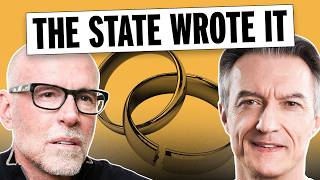
Resist and Unsubscribe: What’s Next?
Audio Brief
Show transcript
This episode evaluates the Resist and Unsubscribe movement, analyzing the efficacy of consumer boycotts as a tool against political extremism and misinformation.
There are three key takeaways regarding the intersection of capitalism and civic duty.
First, the most radical act in a capitalist society is non-participation. Withholding financial support from platforms hosting harmful content allows citizens to exercise political power far beyond the ballot box.
Second, organic messaging can rival massive advertising budgets. The campaign generated over 23 million views without paid marketing, a feat that would typically cost millions, proving that viral, principled messaging can pierce through the noise without corporate backing.
Third, a disconnect remains between product teams and executive leadership. While the movement successfully sparked debate among operational teams about the risks of enabling polarizing figures, it has not yet inflicted enough financial pain to alter strategic incentives at the boardroom level.
The episode concludes by challenging listeners to reflect on whether they are merely beneficiaries of democracy or active contributors to its resilience.
Episode Overview
- This episode serves as a progress report on the "Resist and Unsubscribe" movement, a campaign launched to protest political extremism and misinformation by boycotting certain media and tech platforms.
- The speaker evaluates the movement's success based on two primary objectives: sending a signal to the market and changing the financial incentives for big tech companies.
- It concludes with a call to civic duty, asking viewers to reflect on their own contributions to democracy and whether they are worthy of the sacrifices made by previous generations.
Key Concepts
- Voting with Dollars as a Radical Act: The speaker posits that in a capitalist society, non-participation—specifically withholding money—is the most powerful weapon consumers have. By choosing not to engage with platforms that host harmful content, citizens can exercise political power outside of the ballot box.
- The Difficulty of Organic Reach: The campaign generated over 23 million views and 2 million unique website visits without any paid marketing. The speaker contextualizes this success by noting that achieving similar traffic through paid means would typically cost between $4 and $8 million, highlighting the power of viral, organic messaging over traditional advertising.
- The disconnect between Product and Boardroom: While the movement successfully sparked conversations among product management teams at tech firms regarding the downsides of enabling polarizing figures, it failed to reach the boardroom level. This indicates that while operational teams may see the risks, the executive leadership has not yet felt enough financial pain to change their strategic incentives.
Quotes
- At 0:15 - "Communicate to Americans that they have a weapon hiding in plain sight. And that is the most radical act in a capitalist society is non-participation. That you can vote with your dollars." - explains the core philosophy behind the movement, framing consumer boycotts as a form of civic activism.
- At 1:02 - "Rewire the incentives of big tech CEOs to recognize that just enabling this president has a downside." - defines the second, more difficult objective of the campaign, which is to make hosting controversial political figures financially unviable for platforms.
- At 1:45 - "If I reverse engineer all of my success, much of it is not my fault, and it's because I am standing on the shoulders of other Americans who have sacrificed more than me." - illustrates the speaker's view on privilege and the moral obligation successful citizens have to protect the country's institutions.
Takeaways
- Exercise your power as a consumer by actively "unsubscribing" from or boycotting media and technology platforms that amplify harmful rhetoric, rather than just passively consuming content.
- Be courageous in your private life ("off mic or off your keyboard") by having difficult conversations and taking stands on democratic values, rather than limiting activism to social media posts.
- Evaluate your personal contribution to society by asking if you are merely benefiting from American prosperity or actively contributing to its resilience during testing times.