Lazy Agriculture is the Goal
Audio Brief
Show transcript
Can cutting off the very top of your tomato plants in late summer or early fall actually speed up ripening? On this episode, host Jesse Frost answers a listener's question about the secrets of late-season pruning and challenges how we think about hard work in the garden. By the end, you will learn how to trick your crops into ripening faster, protect your soil from hidden poisons, and work less while harvesting more.
Force your plants to feed their fruit, not their leaves.
When autumn approaches, your plants are still trying to grow taller, wasting precious energy they should be giving to their fruit. Jesse Frost explains that cutting off the terminal growing tip of a tomato or fig plant redirects its resources. Instead of making new green leaves, the plant rushes its energy into ripening the fruit already on the vine. To speed up late summer ripening, prune the main terminal growing tips of your tomato plants and make sure you have also removed all side suckers.
Warmth is often a more critical factor than pruning.
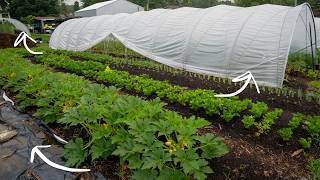
For late-season tomatoes and figs, environmental temperature is actually a much bigger factor for ripening than physical pruning. Frost points out that using structures like tunnels or placing thermal masses like large stones near your plants traps heat. This extra warmth acts like a cozy blanket, extending your growing season far more effectively than scissors ever could. To extend your harvest, build simple tunnels or place large stones around your late-season crops to capture heat.
The art of doing almost nothing.
True sustainability might look like pure laziness to the untrained eye. This concept of lazy agriculture is based on historical land management practices, particularly those of Indigenous populations. Instead of constant, disruptive labor, these highly sophisticated, low-input systems work with natural ecology to yield abundant food. Frost believes a successful agricultural system should eventually look lazy because it is so bountiful it hardly requires work to benefit from.
The poison hiding in your neighbor's grass clippings.
Free mulch can carry a hidden, crop-killing chemical footprint. Imported organic materials like grass clippings from residential lawns or golf courses often carry high concentrations of persistent herbicides. When you introduce these clippings to your garden, the lingering chemicals can severely damage sensitive plants like tomatoes. It is a silent invader that turns a well-meaning organic practice into a soil food web disaster. To protect your garden, verify the exact source of any imported mulches or grass clippings before putting them on your soil.
To secure your harvest, pick green or partially colored tomatoes as soon as they show the first sign of color at the blossom end, and ripen them indoors in a cool, dark space.
Episode Overview
- Jesse Frost answers a listener's question about tip pruning tomatoes and figs to speed up ripening in the fall, discusses his thoughts on "lazy agriculture," and reviews feedback from the week.
- This episode is particularly relevant to small-scale market gardeners, organic farmers, and home gardeners looking to optimize their crop management practices.
- The discussion transitions from practical, seasonal garden maintenance to broader philosophical reflections on the nature of sustainable agriculture and historical land management.
Key Concepts
- Tip Pruning: Removing the growing tip of a plant to encourage it to redirect its energy from vegetative growth into fruit development and ripening. This technique is commonly used in late summer or early fall to maximize the yield of remaining crops before the first frost.
- Microclimate Management: For late-season crops like figs and tomatoes, warmth is often a more critical factor than pruning. Using structures like tunnels or thermal mass (e.g., large stones) can extend the growing season more effectively than physical plant manipulation.
- Lazy Agriculture: A concept derived from historical land management practices, particularly those of Indigenous populations. Rather than "laziness" in a negative sense, it refers to highly sophisticated, low-input systems that work with natural ecology to yield abundant food with minimal disruptive labor.
- Herbicide Contamination in Compost: Imported materials like grass clippings from residential areas can carry high concentrations of persistent herbicides, which can damage sensitive crops like tomatoes if introduced to the garden.
Quotes
- At 8:38 - "Tip pruning is just removing the growing tip of the plant to encourage it to put its energy into producing fruit, or in this case, ripening faster." - Explaining the physiological mechanism behind managing late-season crop growth.
- At 9:56 - "If ripening on the vine is important to you for flavor or whatever, warmth is going to be a bigger factor than topping it." - Clarifying that environmental temperature often plays a larger role in fruit development than pruning techniques.
- At 15:12 - "A successful agricultural system, however, should ultimately look lazy, right? It should be so bountiful that it hardly requires work to benefit from." - Challenging the modern valuation of intensive, high-toil farming over ecologically integrated food systems.
Takeaways
- To speed up tomato ripening in late summer, prune the terminal growing tips while ensuring all side suckers have also been removed, allowing the plant to concentrate its resources on existing fruit.
- Safely harvest green or partially colored tomatoes before a frost by picking them as soon as they show the first signs of color at the blossom end; they can successfully ripen indoors in a cool, dark space.
- Verify the source of any imported organic mulches, particularly grass clippings from residential lawns or golf courses, to avoid introducing persistent herbicides into your soil food web.