Everything You Can Plant Before Winter Hits
Audio Brief
Show transcript
This episode of Growers Daily covers diverse fall planting strategies, the economic realities of small-scale farm equipment, and the seasonal transition toward high-margin holiday markets.
There are three key takeaways from this discussion. First, growers should look beyond garlic to diversify autumn planting with flower bulbs, perennials, and cold-hardy greens. Second, farm profitability is maximized by avoiding expensive machinery purchases like wood chippers in favor of renting or sourcing free local waste. Third, winter market success requires shifting from fresh food production to value-added holiday gifts and decorative garden crafts.
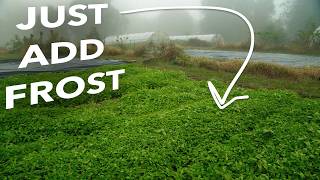
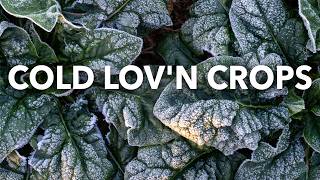
While garlic remains the traditional autumn crop, expanding fall planting to include dormant berries, flower bulbs, and cold-hardy greens like kale and mache can secure an early spring harvest. Growers must assess their specific climate zone to time these plantings correctly and apply necessary frost protection. This diversification spreads out labor and provides early-season cash flow.
Regarding equipment, purchasing specialized machinery like wood chippers often drains capital without offering a clear return on investment. For most small-scale operations, the high purchase price, ongoing maintenance, and safety hazards make ownership impractical. Instead, growers should rent commercial chippers for seasonal cleanup or build relationships with local tree services to secure free wood chips.
As winter approaches, consumer demand at farmers markets shifts dramatically from fresh ingredients to unique local gifts and holiday decorations. Growers can capitalize on this shift by saving summer harvests, such as gourds, garlic, and luffas, to create high-margin wreaths and artisanal products. This adaptation keeps revenue steady during the coldest months of the year.
Finally, establishing cover crops like white clover in pathways and empty beds over the winter stabilizes soil and suppresses weeds. This biological approach to farm maintenance reduces labor in the spring while naturally building soil fertility.
By diversifying fall plantings, optimizing equipment expenses, and adapting to seasonal retail shifts, small-scale growers can maintain a highly profitable and efficient year-round operation.
Episode Overview
- This episode of "Growers Daily" explores what crops can still be planted in the fall before winter arrives, going beyond the typical recommendation of garlic.
- It discusses the business opportunities and challenges associated with holiday farmers' markets in late autumn and winter.
- The episode addresses a listener's question about whether purchasing a wood chipper/shredder is a worthwhile investment for a small-scale farm.
- It highlights various cover crop choices, specifically focusing on different varieties of clover and their applications in pathways and garden beds.
Key Concepts
- Fall Planting Diversity: While garlic is the standard fall-planted crop, growers have numerous other options depending on their climate zone. This includes flower bulbs (tulips, daffodils, lilies), certain perennials (dormant berries), and even specific vegetables like parsnips, sunchokes, and cold-hardy greens (kale, spinach, mache).
- The Shift in Holiday Market Demand: In late autumn and winter, consumer demand at farmers' markets shifts from fresh produce to gift items and holiday decor. Successful growers adapt by offering value-added, non-perishable garden products like luffa sponges, garlic wreaths, decorative gourds, and mushroom logs.
- The Economics of Farm Equipment: Purchasing specialized equipment like wood chippers often seems attractive for waste management and mulch generation. However, for most small-scale growers, the high cost, maintenance, safety risks, and low frequency of use make ownership less practical than renting or outsourcing.
- Pathway and Bed Cover Crops: Utilizing cover crops like clover in farm pathways serves multiple purposes: weed suppression, soil stabilization, and nitrogen fixation. Different varieties, such as Dutch White and New Zealand White clover, offer varying benefits in terms of height, mowability, and heat tolerance.
Quotes
- At 1:16 - "Obviously, garlic is a great staple crop that you typically plant in the fall... but it's not the only crop option that you have for fall planting depending on where you are." - Explaining the untapped potential of autumn planting beyond the standard garlic crop.
- At 7:34 - "Most of the year, our customers want local produce, but in December, they want local stuff." - Highlighting the critical shift in consumer behavior during the winter holiday market season.
- At 14:30 - "Oning your own wood chipper is probably just not going to be worth the price, hassle, noise, and potentially danger." - Clarifying the realistic drawbacks of purchasing heavy machinery for small-scale farms.
Takeaways
- Assess your climate zone (e.g., Zone 7A vs. Zone 6B) before planting fall crops like strawberries or parsnips, as timing and protection requirements vary significantly by region.
- Plan ahead for winter markets by saving summer harvests (like gourds or luffas) to convert into high-margin holiday gifts and decorations during the slower farming months.
- Instead of buying an expensive wood chipper, build relationships with local tree service companies to secure free wood chips, or rent a commercial-grade chipper for a weekend of intensive pruning cleanup.