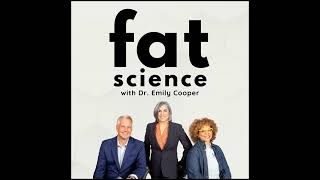
Calories In, Calories Out + Diet Damage

Audio Brief
Show transcript
This episode challenges the conventional wisdom of "calories in, calories out" for weight management, exploring how restrictive dieting can negatively impact metabolism long term.
There are three key takeaways from this discussion. First, the simplistic "eat less, exercise more" advice often fails to account for metabolic complexities. Second, repeated or extreme dieting can damage the body's metabolic processes, making sustainable weight management harder. Third, understanding individual metabolism, rather than rigid calorie counting, is crucial for long-term health.
The podcast argues that the "calories in, calories out" model is overly simplistic. It suggests that underlying metabolic issues, not just overeating or lack of willpower, are often the primary drivers of weight struggles. Many patients experience frustration when their lived experiences are dismissed by oversimplified medical advice.
Co-host Andrea Taylor shares her personal journey of repeatedly receiving ineffective "eat less, exercise more" advice. She highlights how understanding her own metabolism, guided by Dr. Emily Cooper's expertise, became the turning point after years of failed diets. This shift revealed that metabolism was the real problem, not her willpower.
The concept of "diet damage" is central, proposing that past dieting attempts might have inadvertently harmed metabolic function. This damage can make it increasingly difficult to maintain a healthy weight. The episode focuses on providing a science-based alternative to traditional diet culture, emphasizing "no diets, no agendas."
Ultimately, the episode advocates for a scientific understanding of metabolism as the key to sustainable weight management and overall health.
Episode Overview
- The episode challenges the conventional wisdom of "calories in, calories out" as the sole factor in weight management.
- It introduces the concept of "diet damage," suggesting that restrictive dieting can negatively impact metabolism over the long term.
- Through the personal experiences of co-host Andrea Taylor and the expertise of Dr. Emily Cooper, the podcast aims to explore the scientific reasons behind weight gain, focusing on metabolic function rather than willpower.
- The hosts set out to provide a science-based alternative to traditional diet culture, promising "no diets, no agendas."
Key Concepts
- Calories In, Calories Out Myth: The episode questions the simplistic idea that weight loss is purely a matter of eating less and exercising more, suggesting it fails to account for metabolic complexities.
- Metabolism as the Root Cause: The central theme is that underlying metabolic issues, rather than overeating, are often the primary driver of weight struggles.
- Diet Damage: The podcast introduces the idea that repeated or extreme dieting can harm the body's metabolic processes, making it harder to maintain a healthy weight in the long run.
- Patient Experience vs. Medical Dogma: The hosts highlight the common frustration of patients whose lived experiences with dieting are dismissed with oversimplified advice from medical professionals.
Quotes
- At 00:05 - "You just have to eat less, exercise more. I mean, seriously, that was pretty much the only answer that they would have." - Co-host Andrea Taylor describes the simplistic and unhelpful advice she repeatedly received from doctors about her weight.
- At 00:48 - "This is Fat Science, a podcast dedicated to the science of why we get fat. No diets, no agendas, just science that makes you feel better." - The podcast's introductory voiceover states its core mission to focus on scientific understanding over traditional dieting advice.
- At 01:22 - "They all worked until they didn't. I've known Dr. Cooper forever, but when I became her patient and we learned metabolism was the real problem, wow, everything changed." - Andrea Taylor explains her history with failed diets and the turning point of understanding her own metabolism.
- At 02:00 - "If you've ever been on a diet in your life, we will explain today why the science says it may have damaged your metabolism." - Co-host Mark Wright frames the central topic of the episode, linking dieting directly to potential metabolic harm.
Takeaways
- Question the "eat less, exercise more" mantra if it has consistently failed for you; there may be underlying metabolic factors at play.
- Recognize that the cycle of yo-yo dieting is not a personal failure but can be a symptom of a deeper issue and may cause long-term metabolic damage.
- Shift your focus from simple calorie counting to understanding the science of your own metabolism as the key to long-term health and weight management.