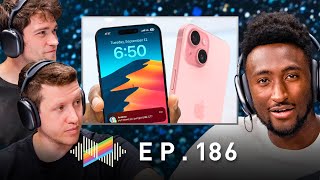
Asking Doctor Mike About Health in Technology

Audio Brief
Show transcript
This episode features Dr. Mike Varshavski, offering a clinician's skeptical view on consumer health technology, contrasting it with a tech reviewer's perspective.
This conversation yields three core insights for listeners. First, use health data to supplement intuition, not dictate feelings, prioritizing your body's innate sense of well-being. Second, approach health technology critically, as many products may introduce anxiety or a nocebo effect without delivering proven benefits. Finally, emphasize consistency in fundamental health behaviors over technological shortcuts, understanding there are no quick fixes to genuine well-being.
Uncontextualized data from wearables can induce health anxiety, while negative feedback, such as a low recovery score, may create a nocebo effect, tangibly worsening performance. The discussion highlights how technology should supplement, rather than dictate, one's sense of well-being, emphasizing a foundation of how you feel.
Clinicians caution against the often-problematic application of health tech data, despite its tracking capabilities. There is a significant difference in reliability between general consumer wearables and medical-grade devices. Dr. Mike debunks popular trends like smart water bottles and posture correctors, noting the latter can actively weaken muscles instead of training them.
True well-being stems from foundational health principles, such as consistent sleep schedules, rather than technological hacks. Experts emphasize that anyone promising health shortcuts is likely seeking profit over genuine assistance. While AI shows potential in data analysis, its current limitations include a lack of human context and emotional nuance crucial for patient care.
This episode provides a vital framework for critically assessing and responsibly integrating health technology into daily life.
Episode Overview
- The episode features Dr. Mike Varshavski, who provides a clinician's skeptical perspective on consumer health technology, contrasting it with a tech reviewer's viewpoint.
- The discussion explores the psychological impact of health data from wearables, including its potential to induce "health anxiety" and a "nocebo effect," where negative data can worsen performance.
- The reliability of consumer gadgets is weighed against dedicated medical devices, and the conversation touches on the potential and current limitations of AI in healthcare.
- Dr. Mike debunks several popular health tech trends, such as smart water bottles and posture correctors, advocating for a focus on foundational health principles over technological "quick fixes."
Key Concepts
- Clinician vs. Tech Reviewer Perspective: The conversation contrasts the evidence-based, patient-focused view of a doctor with the feature-focused view of a tech reviewer when evaluating health gadgets.
- Psychological Impact of Health Data: Uncontextualized data from wearables can cause "health anxiety," while negative feedback (e.g., a low recovery score) can create a "nocebo effect," tangibly worsening a person's performance.
- Intuition vs. Data: The hosts debate whether to trust subjective feelings or objective data, concluding that technology should supplement, not dictate, one's sense of well-being.
- Consumer Gadgets vs. Medical-Grade Devices: There is a critical difference in reliability and calibration between general consumer wearables and dedicated medical devices, especially in high-stakes situations.
- Fundamentals Over Quick Fixes: Foundational health principles like a consistent sleep schedule are far more effective than technological "hacks" or gadgets that promise shortcuts.
- AI in Medicine: The discussion explores the potential for AI in data analysis while noting its current limitations in understanding the crucial human context and emotional nuance of patient care.
Quotes
- At 9:11 - "So you see how the tech is fire, it works, it tracks things. But what we do with that information is really problematic." - Dr. Mike summarizing the core issue of health tech: the data itself is impressive, but its application often creates problems for users and doctors.
- At 25:55 - "This has been tested. So the way that they tested this is they had people sleep, and they fake tracked their sleep." - Dr. Mike explaining a study that proved the power of suggestion, where participants' performance was influenced by fake sleep quality scores, not their actual sleep.
- At 28:06 - "Most people go about the data in this well-being, like, kind of backwards. You should start with a foundation of how you feel, and then maybe on top of that you can use this sort of quantifying measures to sort of better understand things." - Marques Brownlee summarizing his realization about how to properly use health data from wearables.
- At 59:09 - "Never buy a posture corrector... It's actually terrible... By wearing this thing, you actively weaken the muscles that you're supposed to be training for good posture." - Dr. Mike explaining why posture-correcting straps are counterproductive.
- At 65:30 - "Life's hard... and anyone that's promising you a shortcut is probably trying to make some money and not really helping you in many cases." - Dr. Mike summarizing his overall philosophy on health trends and bio-hacking.
Takeaways
- Use health data to supplement your intuition, not dictate how you feel; start with how your body feels and use data only for additional context.
- Be a critical consumer of health technology, as many products can create unintended problems like anxiety or a nocebo effect without offering proven benefits.
- Prioritize consistency in fundamental health behaviors—like maintaining a regular sleep schedule—over investing in technological quick fixes, as there are no shortcuts to well-being.