112. Campgrounds | The Economics of Everyday Things

Audio Brief
Show transcript
This episode covers the economics of owning and operating campgrounds, detailing the significant startup costs, diverse revenue streams, and operational challenges within the industry, especially for private franchise models.
There are four key takeaways from this discussion. First, campground ownership is a capital-intensive business requiring substantial upfront investment. Second, ancillary revenue streams, particularly from on-site general stores, are crucial for profitability and managing franchise royalty impacts. Third, the business is highly seasonal, necessitating careful financial planning to cover year-round expenses. Finally, running a private campground is operationally complex, akin to managing a small city with diverse responsibilities.
Building new campgrounds costs between fifteen thousand and twenty-five thousand dollars per site for infrastructure alone, not including land. This substantial investment means acquiring an existing campground is often the more common entry point for new owners.
While campsite registration fees are the primary revenue source, auxiliary income from general stores selling firewood and supplies is vital. This ancillary revenue is often not subject to franchise royalty fees, significantly boosting overall profitability.
Campground businesses experience significant seasonal demand fluctuations. Owners must generate enough revenue during peak months to cover year-round operating costs, including taxes and mortgages, highlighting the need for robust financial management.
Operating a private campground involves managing everything from utility maintenance and retail management to guest services and unexpected repairs. It requires hands-on involvement, mirroring the diverse responsibilities of running a small, self-contained community.
Overall, owning a campground is a demanding yet potentially rewarding venture, requiring significant capital, strategic revenue diversification, and meticulous operational management.
Episode Overview
- This episode explores the economics of owning and operating campgrounds, following the journey of Mark Lemoyne, who left a career in politics to purchase a KOA franchise.
- It breaks down the differences between public and private campgrounds, including their business models, amenities, and economic roles.
- The discussion details the significant startup costs, diverse revenue streams, and major operational expenses involved in the campground industry.
- The episode examines the pros and cons of the franchise model, highlighting the balance between brand recognition and royalty fees.
Key Concepts
- Public vs. Private Models: Public campgrounds, often run by national or state parks, are typically subsidized by taxes, offer basic amenities, and aim to boost local tourism. Private campgrounds are for-profit businesses that must cover all their costs and often provide more extensive amenities like pools, stores, and full RV hookups.
- High Startup Costs: Building a new campground is a capital-intensive venture, estimated to cost between $15,000 and $25,000 per site for infrastructure alone, not including the cost of land. This makes purchasing an existing campground a more common entry point for new owners.
- Revenue and Profitability: The primary revenue source is campsite registration fees, but ancillary income from general stores (selling firewood, food, and supplies) is vital for profitability, as this revenue is often not subject to franchise royalty fees. A successful private campground can aim for a profit margin of around 30%.
- Franchising Benefits: Partnering with a recognized brand like Kampgrounds of America (KOA) provides instant brand awareness, marketing support, and a built-in customer base, which is a major advantage over starting an independent campground.
- Operational Challenges: Running a campground involves managing significant seasonal fluctuations in demand, high utility costs (especially electricity), and a variety of unexpected expenses, from broken water lines caused by guests to weather-related damage.
Quotes
- At 00:44 - "You're going to think I'm crazy but I've always wanted to own and operate a campground." - Mark Lemoyne explains the spontaneous moment he decided to pivot from a stressful career in politics to pursue his dream of owning a campground.
- At 01:12 - "...literally everything we own including, you know, the 401k was in the form of a campground." - Describing the immense financial risk and total commitment he and his wife made when purchasing their property.
- At 04:50 - "It's estimated that it would be about $15,000 to $25,000 per site... So if you were building a 100 site campground, you're looking, you know, at a top range of about two and a half million dollars just to build the infrastructure." - Highlighting the substantial capital investment required to build a new, mid-sized campground from the ground up, excluding the cost of the land itself.
Takeaways
- Owning a campground is a capital-intensive business that requires significant upfront investment in land and infrastructure.
- Ancillary revenue streams, like an on-site general store, are crucial for profitability as they are often exempt from franchise royalty fees.
- The business is highly seasonal, meaning owners must generate enough revenue during peak months to cover year-round expenses like taxes and mortgages.
- While it seems like a relaxing lifestyle, running a campground is like managing a small city, involving everything from utility maintenance and retail management to law enforcement and customer service.
More from Freakonomics Radio Network

651. The Ultimate Dance Partner | Freakonomics Radio
Oct 31, 2025
Are Two C.E.O.s Better Than One? (Update) | Freakonomics Radio
Oct 29, 2025
169. Decoding the World’s First Writing | People I (Mostly) Admire
Oct 27, 2025
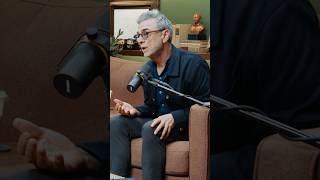
Stephen Dubner and Dax Shepard on defining terms. #Freakonomics #ArmchairExpert
Oct 24, 2025