#1 Neuroscientist: After Watching This, Your Brain Will Not Be the Same
Audio Brief
Show transcript
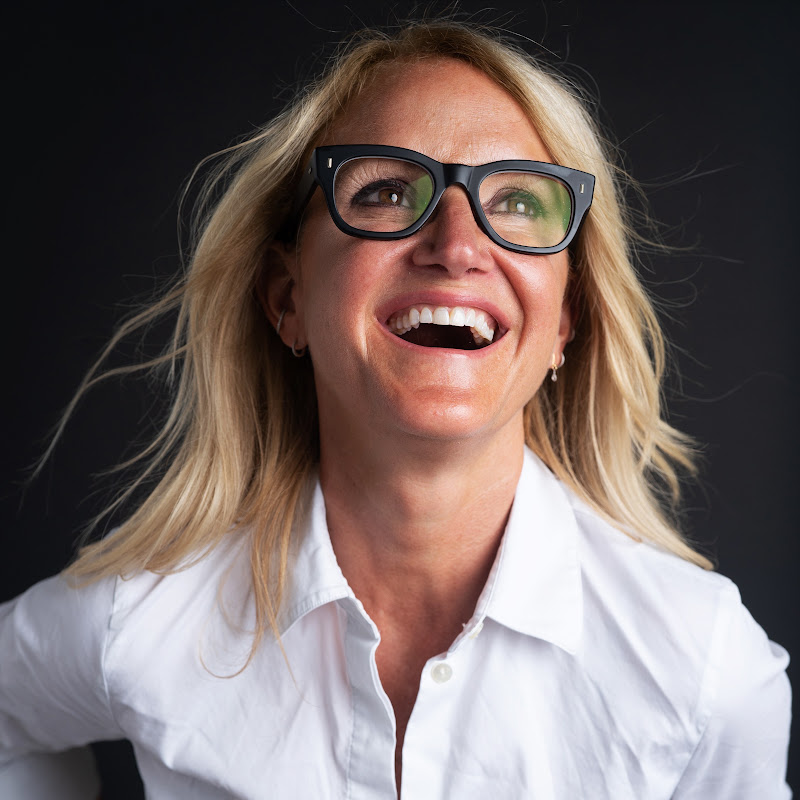
Dr. Lara Boyd asks whether you knew that simply teaching schoolchildren that their brains physically change when they learn causes their grades to go up. In this October 12, 2026 episode of her show, host Mel Robbins interviews Dr. Boyd, a professor and Director of the Brain Behaviour Lab at the University of British Columbia. By the end, you will learn the exact biological rules for rewiring your brain and improving your memory at any age.
Your active experiences are the single biggest driver of brain change. Brain imaging studies show that active engagement and motivation light up different brain networks and create different long-term effects than passive experiences.
How does that active engagement actually reshape the tissue inside your skull? Learning alters your brain in three distinct ways that scientists can measure in real time using MRI, or magnetic resonance imaging, and functional MRI. Rapid chemical change moves neurotransmitters between cells to create short-term memory, while slower structural change physically remodels brain regions to build long-term memory during sleep. Functional change then shifts how brain networks turn on and off together as a skill becomes automatic, like learning to drive a car until the physical mechanics take less conscious effort.
Sometimes the brain is forced to remodel all at once. Immediately after a stroke or head injury, the brain becomes less inhibited and enters a heightened window of excitability that Dr. Boyd notes seems to last 30 to 60 days, perhaps. Dedicated effort and continued intervention after leaving the hospital can reopen and hold this window open longer.
Whether you are recovering from an injury or picking up a hobby, smooth, easy success will not change your brain. In Dr. Boyd's lab, stroke patients playing a computerized game with their affected hand showed the most structural brain change and motor improvement when the game kept their success rate right around 50 to 60 percent.
Your path through that struggle will not look like anyone else's. When Dr. Boyd's lab scanned healthy people and stroke patients who all learned the exact same task, brain activity showed they were all doing something totally different in their brains, and scientists note maybe it doesn't matter which pathway is used. Because language wires up early on the left side in most humans and is harder to change in adults, try placing yourself in a fully immersive auditory environment where no English is spoken if you want to learn a new language, especially if you are an auditory learner or dyslexic.
While active struggle builds the brain, doing nothing changes it for the worse. Longer-term after a stroke, the brain region for the affected arm becomes over-inhibited, and people with depression become neurochemically more inhibited and remember bad memories much more easily than good ones. Maintain regular social interactions to reduce depression and force your brain to process complex verbal and non-verbal cues.
Three daily biological habits govern how well your brain rewires. Sleep reactivates the brain regions you used during daytime practice, while exercise releases a protein called brain-derived neurotrophic factor that helps neurons reorganize and supercharges overnight memory consolidation. Meanwhile, the stress hormone cortisol blocks neuroplasticity by taking up the brain receptors, or parking spots, needed by growth factors, though an MRI study showed people taking two to three recreational yoga classes a week were able to observe stress without being hijacked by it. To prime your brain for learning, try Dr. Boyd's lab protocol of three minutes of exercise at 85 percent of your maximum capacity repeated three times, and consider yoga or 30 days of loving-kindness meditation to clear out cortisol.
Your brain changes from your first breath to your last, and every habit you choose shapes it for better or worse. "The single largest driver of change in our brain is our experience."
Episode Overview
- Host Mel Robbins (author of The Let Them Theory) interviews Dr. Lara Boyd, a professor and Director of the Brain Behaviour Lab at the University of British Columbia (UBC), about how the human brain changes throughout life (neuroplasticity) and how individuals can actively optimize learning and brain health at any age.
- The conversation explores the biological mechanisms of brain change—specifically how experience alters brain chemistry, structure, and function—and why struggle, failure, and engagement are non-negotiable prerequisites for rewiring the brain.
- Dr. Boyd breaks down findings from MRI brain mapping, stroke rehabilitation, and cognitive studies to demystify individual learning differences, the "use it or lose it" nature of aging brains, and the "sweet zone" of optimal difficulty.
- The episode provides a science-backed framework for accelerating neuroplasticity through sleep, exercise, stress reduction, first-person visualization, positive priming, and social engagement.
Key Concepts
- Neuroplasticity and the Power of Active Experience: Neuroplasticity means "brain change," a process that occurs from your first breath until your last breath. There is no drug or magic bullet to rewire the brain; the single largest driver of change is the experience you engage in. Brain imaging studies show that active engagement and motivation light up different brain networks and create different long-term effects compared to passive experiences. Even simply understanding that the brain is malleable matters: teaching school children that their brains physically change when they learn shifts their mindset and causes their grades to go up.
- The Three Mechanisms of Brain Change (Chemistry, Structure, Function): Measurable in real time via MRI and functional MRI, learning alters the brain in three ways. First, chemical change happens rapidly via neurotransmitters moving between cells, forming the basis of short-term memory. Second, structural change involves physical remodeling—regions growing larger or smaller and connections shifting—which takes time, requires sleep, and forms long-term memory. Third, functional change shifts how integrated networks of brain regions turn on and off together as a skill becomes automatic (such as learning to drive a car until the physical mechanics require less conscious effort).
- Brain Injury, Recovery, and Windows of Excitability: Research with stroke and head injury patients demonstrates the brain's capacity for massive reorganization, where undamaged areas take over lost functions (though recovered functions may look different and are never quite as good as before). While pre-injury brain health and age heavily influence outcomes (a 20-year-old will have a very different outcome than a 70-year-old), the brain becomes less inhibited and more excitable immediately after an injury. Dr. Boyd notes this heightened window of excitability "seems to last 30 to 60 days, perhaps" after a stroke, though dedicated effort and continued intervention after hospital discharge can reopen and hold this window open longer.
- The "Sweet Zone" of Difficulty: Smooth, easy success does not change the brain. If a task is too easy, no change occurs; if it is too hard, people give up and no practice takes place. In Dr. Boyd's lab, when stroke patients play a computerized game using their stroke-affected hand, brain mapping shows the most structural neuroplastic change and motor improvement occur when the game is adjusted so the patient's success rate is right around 50% to 60%. Struggle and frequent failure are biological requirements for rewiring the brain, though the exact "dose" of practice needed (whether 1 hour or 10,001 hours) remains an unsolved "dose problem" in science because optimal challenge varies by person, task, and day.
- Individual Learning Pathways and Brain Maturation: Everyone is capable of neuroplasticity regardless of age (including into one's 80s) or labels like dyslexia and neurodivergence, though people learn at different scales and timeframes. When Dr. Boyd's lab scanned healthy people and stroke patients who all successfully learned the exact same task, brain activity showed they were all doing something totally different in their brains (and scientists note "maybe it doesn't matter" which pathway is used). Similarly, a study of a large cohort of 3rd-grade children found that kids with below-average math scores had a less well-developed area of the brain compared to peers with better scores, suggesting their brains simply might not be mature enough yet for that level of math. Anatomically, brain maturation works from the back (motor, sensory, vision) forward to the prefrontal cortex (attention, executive function, judgment), while language is specialized on the left side in most humans and wires up early in childhood, making it harder to change in adults.
- The "Use It or Lose It" Principle and Brain Inhibition: Neuroplasticity works both ways. If you withdraw or do nothing, you lose capacity and experience increased neurobiological inhibition, making it harder to turn parts of the brain on. For example, longer-term after a stroke, the brain region for the affected arm becomes over-inhibited and suppressed; similarly, people with depression become neurochemically more inhibited and remember bad memories much more easily than good ones.
- The Biological Role of Sleep, Exercise, and Cortisol: Three primary biological factors govern how well the brain rewires:
- Sleep: Consolidates short-term chemical memories into long-term structural changes. MRI scans of people sleeping after daytime practice show the same brain regions reactivating at night, "almost as if we're practicing offline." While Dr. Boyd notes "the jury is still out scientifically" on the exact mechanisms and the role of phases like rapid eye movement (REM), without sleep, no long-term learning occurs.
- Exercise: Acts as "rocket fuel" by releasing Brain-Derived Neurotrophic Factor (BDNF), a protein produced in muscles and the brain that helps neurons reorganize. In a lab study by Dr. Boyd's graduate student, exercising before practicing a task showed zero advantage over a rest group on Day 1, but produced a significant spike in performance the next morning after sleep—suggesting exercise supercharges overnight memory consolidation. Additionally, UBC colleague Teresa Liu-Ambrose showed that intense strength training seems to offer a particular advantage for older women, reducing falls, increasing bone density and muscle mass, and improving cognition/thinking even without cognitive training.
- Stress and Cortisol: The stress hormone cortisol directly blocks neuroplasticity by competing with growth/trophic factors for the same receptors ("parking spots") in the brain. In an MRI study comparing runners to people taking 2 to 3 recreational yoga classes a week under stressful conditions, runners' amygdalas "lit up like a fireball," whereas yoga practitioners activated memory structures alongside the amygdala, allowing them to observe stress without being hijacked by it.
- Priming, Visualization, and Attention: Mental rehearsal activates every region in the motor brain network except the final motor "go" command. First-person visualization (looking out from inside your body) is "probably a more effective approach" than third-person visualization because it engages the cerebellum to make sensory predictions and error corrections. While Dr. Boyd notes "manifesting is a tricky one," one scientific theory is that positive affirmations, optimism, and gratitude "prime" the brain by pushing down cortisol and activating reward circuits to release dopamine, which correlates with better brain health, lower depression rates, and better recovery after brain injury. Finally, heightened awareness (like suddenly seeing a green Rivian pickup everywhere) is driven by attention, managed by the prefrontal cortex, which is essential for directing neuroplasticity.
Quotes
- At 0:02:00 - "Did you know that if you take school children, and you teach them their brain changes when they learn, their grades go up?" - Explaining how simply understanding neuroplasticity shifts mindset and improves academic performance.
- At 0:02:31 - "The single largest driver of change in our brain is our experience. There's no drug, there's no magic bullet, it's the experience you engage in." - Establishing the core premise that active behavior and engagement are the only ways to rewire the brain.
- At 0:05:30 - "It's been doing that from the moment you took your first breath, and it's going to do it until you take your last breath. So this is a lifetime of change in our brain." - Defining neuroplasticity as a continuous, lifelong biological process regardless of age.
- At 0:08:25 - "So when we learn, we're changing our brain in three fundamental ways. So we change the brain's chemistry, we change its structure, and then we change its function." - Outlining the three distinct biological mechanisms of learning and memory.
- At 0:15:35 - "You want to live where something is hard, where you're sometimes failing, but often you're succeeding, and you're struggling with that activity. And that's where actually we can map and show this is where you're changing brain. This is where neuroplasticity is actually taking place." - Describing the "sweet zone" of difficulty (around a 50% to 60% success rate) required to trigger structural brain change.
- At 0:24:16 - "But if we do nothing, or we do very little, then our brain will also change, and it won't be for the better. You will actually lose capacity. So it's just like a muscle. It's a use it or a lose it situation." - Warning that neuroplasticity is bidirectional and withdrawal leads to lost capacity and increased brain inhibition.
- At 0:29:09 - "The easiest three things would be sleep, exercise, and engage in activities that reduce your stress, and in doing so, reduce your stress hormone, cortisol." - Introducing the three foundational lifestyle pillars that support and accelerate brain rewiring.
- At 0:31:39 - "Certainly, we are very clear that if you don't sleep, you don't learn." - Emphasizing why all-night cramming fails and why sleep is mandatory to convert short-term chemical memories into long-term structural changes.
- At 0:35:27 - "If you engage in any exercise, what you're actually doing is releasing a neurochemical that makes your brain more neuroplastic. It's called brain-derived neurotrophic factor. And what it does is it allows our neurons to reorganize more easily." - Explaining the neurochemical mechanism (BDNF) that makes physical movement "rocket fuel" for learning.
- At 0:36:56 - "Imagine you've got just a few parking spots in your brain, and if cortisol's parked in them, we can't get our trophic factors that allow brain change into that same spot, it's full." - Illustrating how chronic stress and cortisol physically block the growth factors needed for neuroplasticity.
- At 1:08:30 - "Your brain is shaped by the experiences around you. And it's up to you to choose wisely what those experiences are, what is it you want to engage in, what is it you want to learn, what is it you want to avoid because you know they're not healthy on your brain." - Summarizing the listener's personal responsibility in curating daily habits and environments to shape their brain health.
Takeaways
- Aim for the 50%–60% Success "Sweet Zone": When learning a new skill, actively adjust the difficulty so that you are failing 40% to 50% of the time and succeeding 50% to 60% of the time. As you improve, progressively increase the difficulty so your brain continues to remodel rather than plateauing on easy tasks.
- Space Practice with Sleep Instead of Cramming: Never rely on all-night cramming, which only builds fleeting chemical memories. Sleep between practice sessions to allow your brain to reactivate and consolidate skills into permanent structural changes, and test yourself on the material the next day while looking at it in different ways.
- Use Exercise to Release BDNF (Especially 9-Minute HIIT or Strength Training): Move your body daily—even a short walk around the block helps—knowing that timing around practice "seems to not really matter a great deal." To replicate Dr. Boyd's lab protocol for priming learning, perform High-Intensity Interval Training (HIIT) consisting of 3 minutes at 85% of your maximal capacity repeated 3 times (9 minutes of intense work total), or incorporate intense strength training (especially if you are an older woman looking to boost both bone/muscle mass and cognition).
- Clear Neural "Parking Spots" Through Mindfulness and Evening Hygiene: Reduce cortisol so growth factors can bind to brain receptors. Consider taking 2 to 3 recreational yoga classes a week or practicing loving-kindness meditation (self-compassion) for 30 days (which Dr. Boyd's lab showed significantly reduced teacher burnout). Protect evening sleep hygiene by eating a good dinner, limiting alcohol, avoiding the evening news, and getting up to read a book briefly if you wake up in the middle of the night rather than lying in bed stressing.
- Practice First-Person Visualization: When mentally rehearsing a physical skill, athletic movement, or rehabilitation exercise, visualize the action from inside your own body looking out (first-person) rather than watching yourself from the ceiling (third-person) to engage your cerebellum in sensory error correction without physical exhaustion.
- Prime Your Brain Each Morning with Optimism and Gratitude: Start the day with a positive affirmation (such as "Today is going to be a good day") or a gratitude practice. Predicting a positive outcome pushes down cortisol, releases dopamine in the brain's reward circuits, and primes your brain for neuroplastic change before you physically engage with your day.
- Seek Full Immersion and Social Engagement: Maintain regular social interactions to reduce depression and force your brain to process complex verbal and non-verbal cues. If you are an adult trying to learn a difficult skill like a new language—especially if you are an auditory learner or dyslexic—place yourself in a fully immersive auditory environment (such as traveling where no English is spoken) to force your brain to rewire.
More from Mel Robbins

Do THIS to Unlock Your Full Potential & Create the Future You Want
Oct 22, 2026

Mayo Clinic Dermatologist: 5 Daily Habits That Are Aging Your Skin Faster & What to Do Instead
Oct 19, 2026

4 Small Things That Make People Feel Closer to You
Oct 17, 2026

The Power of Reinvention: Switching Things Up at Any Age
Oct 15, 2026